Hey, Guitardoor community! Welcome back to the ultimate portal for everything six-string. Today, we’re taking on the impossible task of ranking the titans. We’ve organized these legends based on their technical innovation, cultural impact, and the sheer power of their playing.
Grab your favorite axe, crack a cold one, and let’s count down the legends from 25 to #1.
25. Sister Rosetta Tharpe – The “Godmother” of Rock and Roll. Long before the British Invasion, Tharpe was shredding electric gospel-blues. Without her 1940s swagger and aggressive picking, the rock “attitude” might never have been born.

24. John Frusciante – The soul of the Red Hot Chili Peppers. His ability to blend scratchy funk rhythms with Hendrix-inspired psychedelia makes him a modern essential for any player seeking emotional depth and atmosphere.
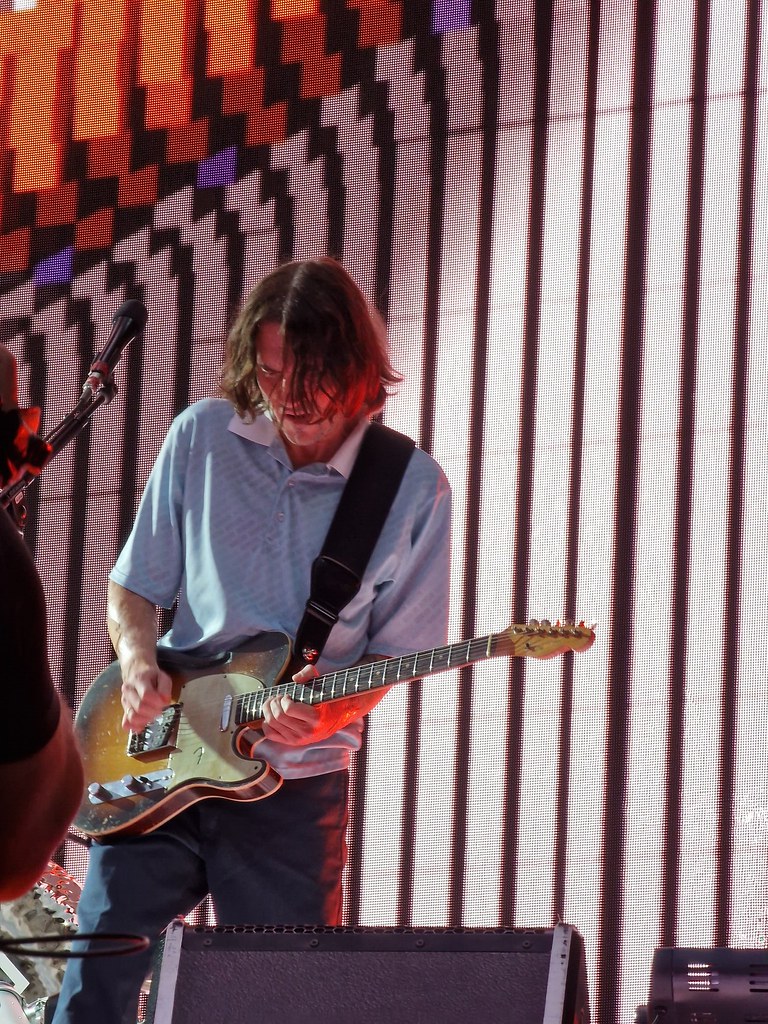
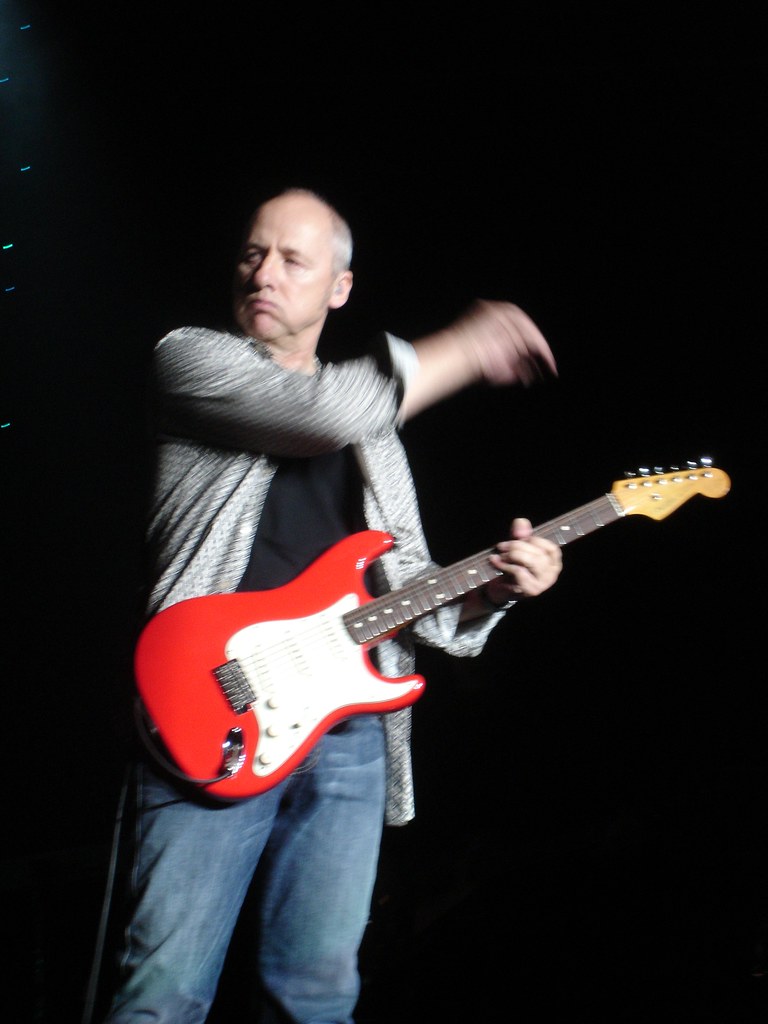
23. Mark Knopfler – The Dire Straits frontman proves that finger-picking belongs in rock. His clean, melodic lines on “Sultans of Swing” are a masterclass in taste, precision, and the “less is more” philosophy.
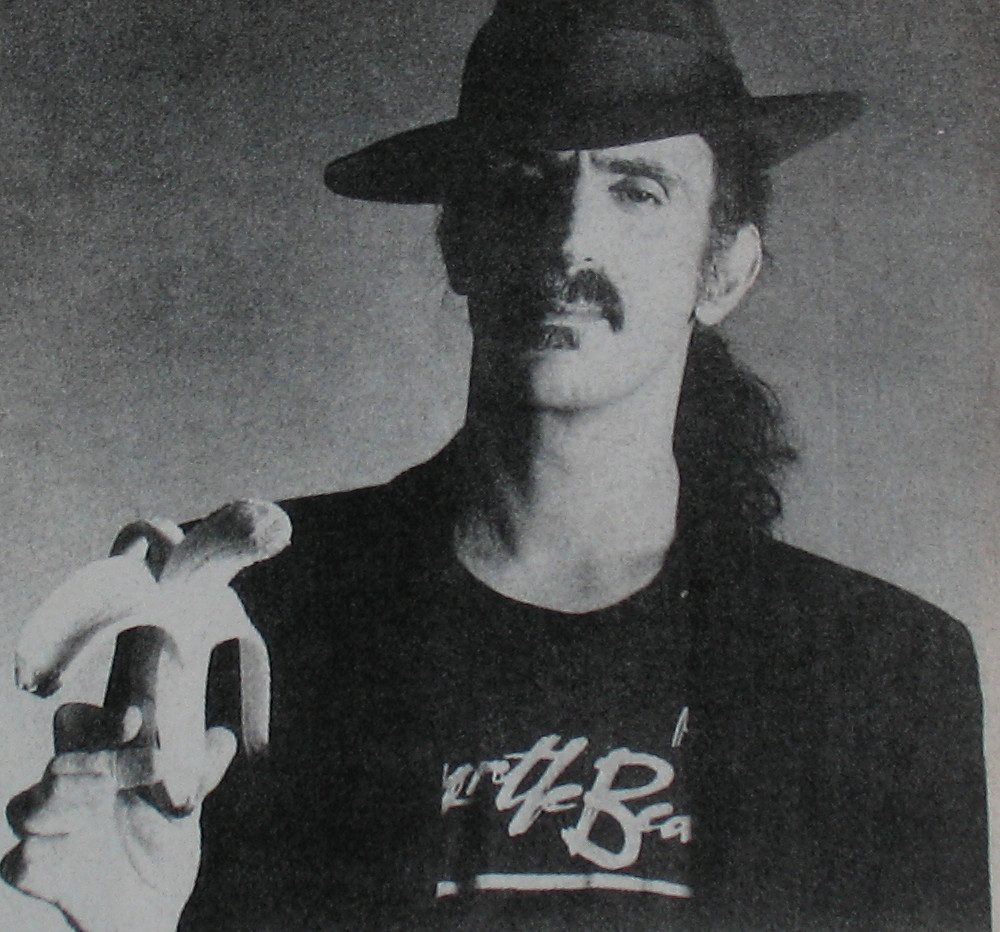
22. Frank Zappa – A musical scientist who treated the fretboard like a laboratory. Zappa’s solos were spontaneous compositions his music was complex, jagged, and entirely unique, often ignoring traditional rock “rules.”
21. Prince – Often overlooked as a “pop” star, Prince was a tier-one shredder. His legendary solo at the Rock Hall of Fame reminded the world that he could out-funk and out-play almost anyone on this list.

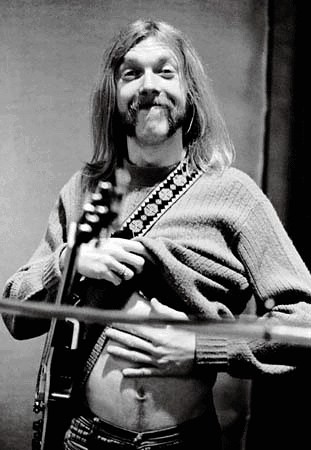
20. Duane Allman – The patron saint of slide guitar. His fluid, vocal-like phrasing on the Layla sessions and with The Allman Brothers Band set the gold standard for Southern Rock improvisation.
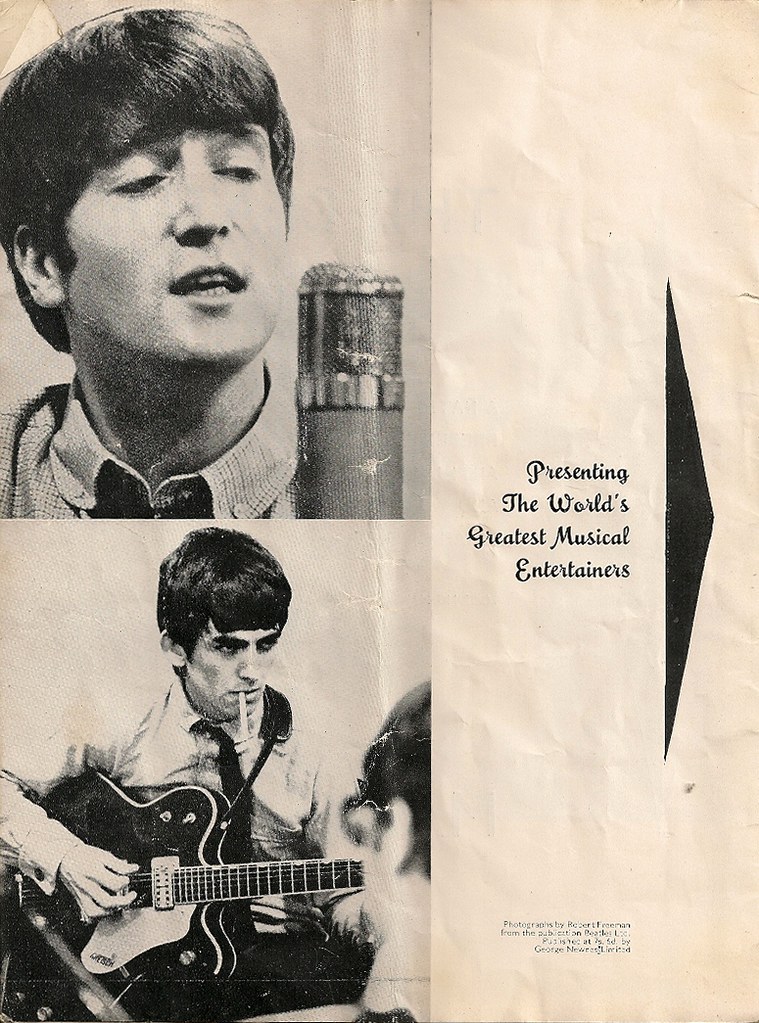
19. George Harrison – The “Quiet Beatle” mastered the art of the perfect, economical solo. Every note served the song, and his later slide work remains some of the most beautiful and mournful in rock.
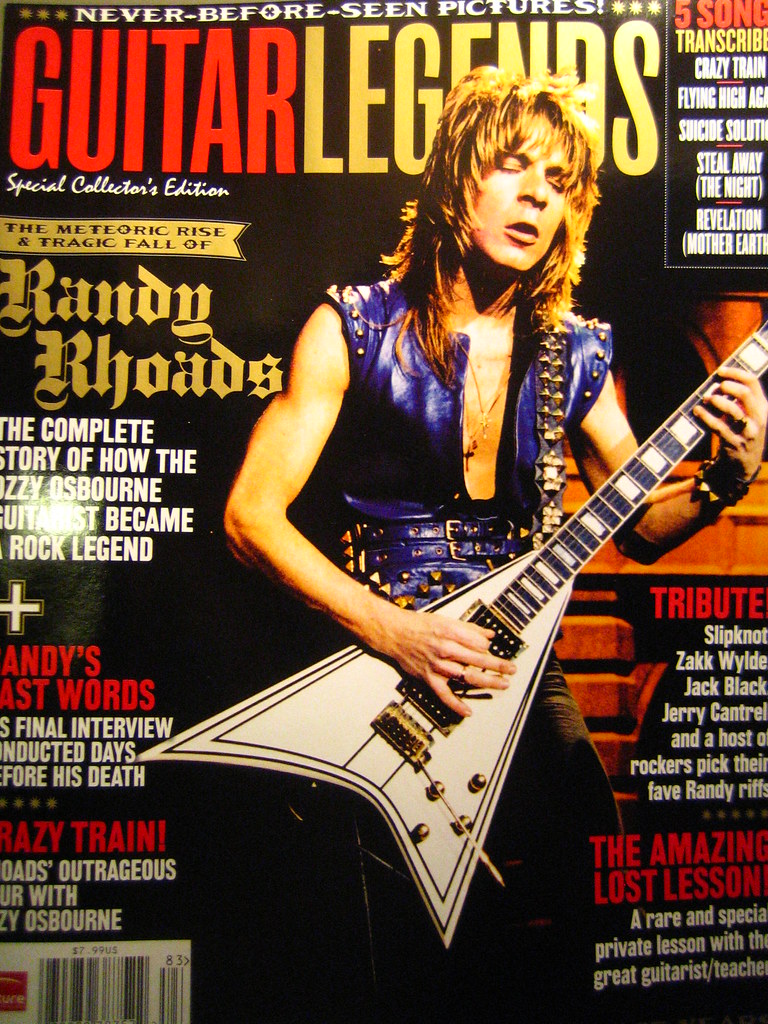
18. Randy Rhoads – In just two albums with Ozzy Osbourne, Rhoads fused classical theory with heavy metal, creating the “neoclassical” blueprint that thousands of shredders still follow today.
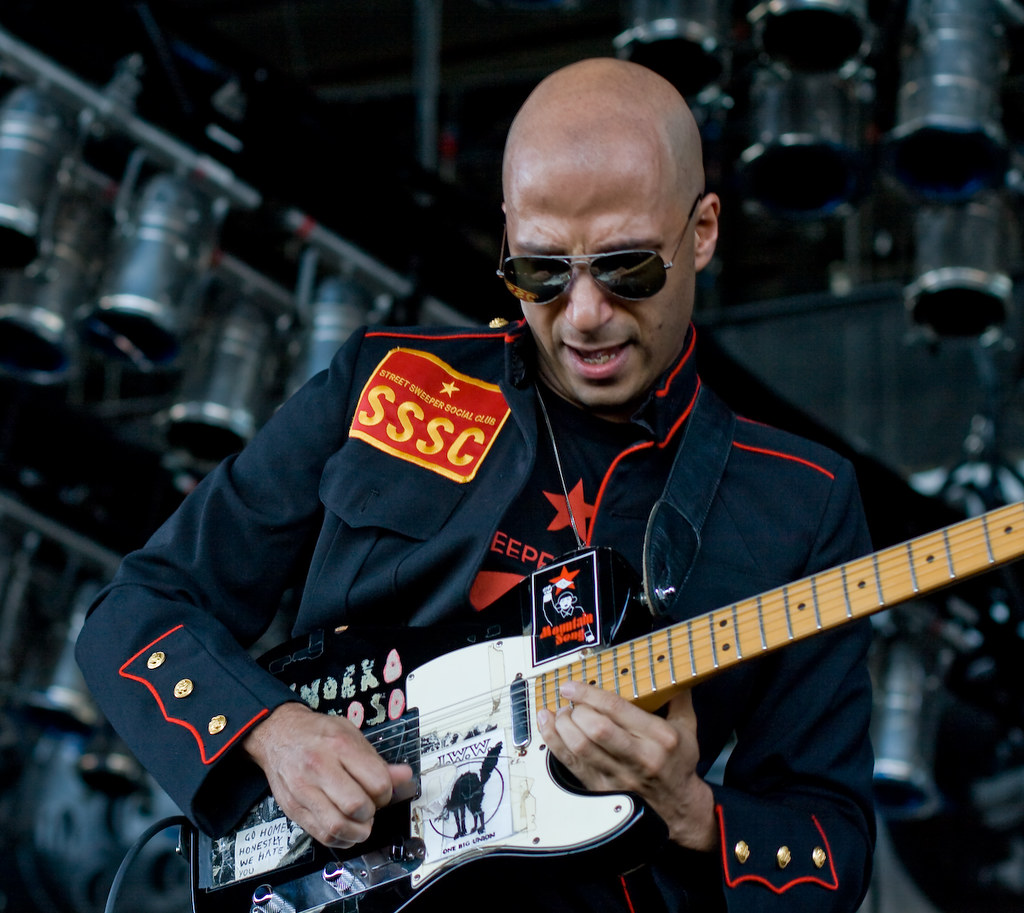
17. Tom Morello – The man who turned the guitar into a turntable. Using toggle switches and whammy pedals, Morello expanded the sonic vocabulary of the instrument to include hip-hop scratches and industrial noise.
16. The Edge – By prioritizing texture over traditional soloing, The Edge used delay and chime to build a “wall of sound” that treats the guitar more like a lush synthesizer than a lead instrument.

15. Angus Young – High-voltage energy incarnate. Angus took the blues-rock foundations of the 50s and supercharged them into the most recognisable stadium anthems in history with his signature SG.

14. Slash – In an era of over-processed “hair metal,” Slash brought back the grit. His melodic phrasing and iconic Les Paul tone made the guitar solo “cool” and dangerous again for the 90s.

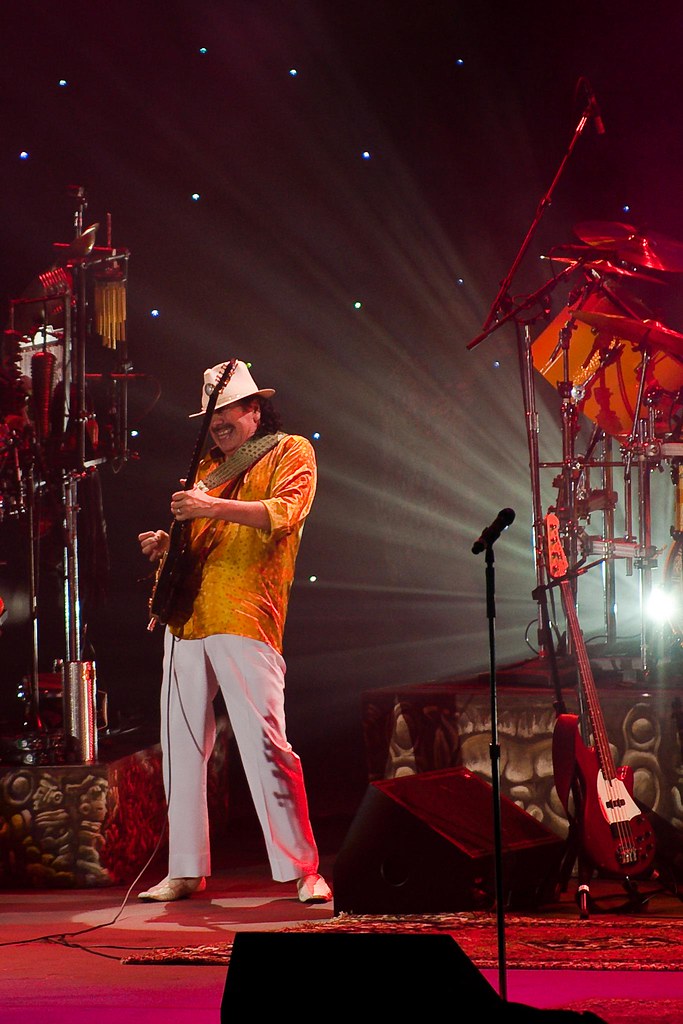
13. Carlos Santana – He brought Latin soul to the rock world. His sustain-heavy, “singing” tone is a spiritual experience that bridges the gap between blues-rock and salsa.
12. Pete Townshend – The pioneer of the power chord and the Marshall stack. Townshend treated the guitar as a percussive weapon, bringing a violent, artistic energy to The Who.

11. Tony Iommi – The architect of doom. Despite losing his fingertips, Iommi’s down-tuned, monolithic riffs for Black Sabbath created the entire genre of Heavy Metal.
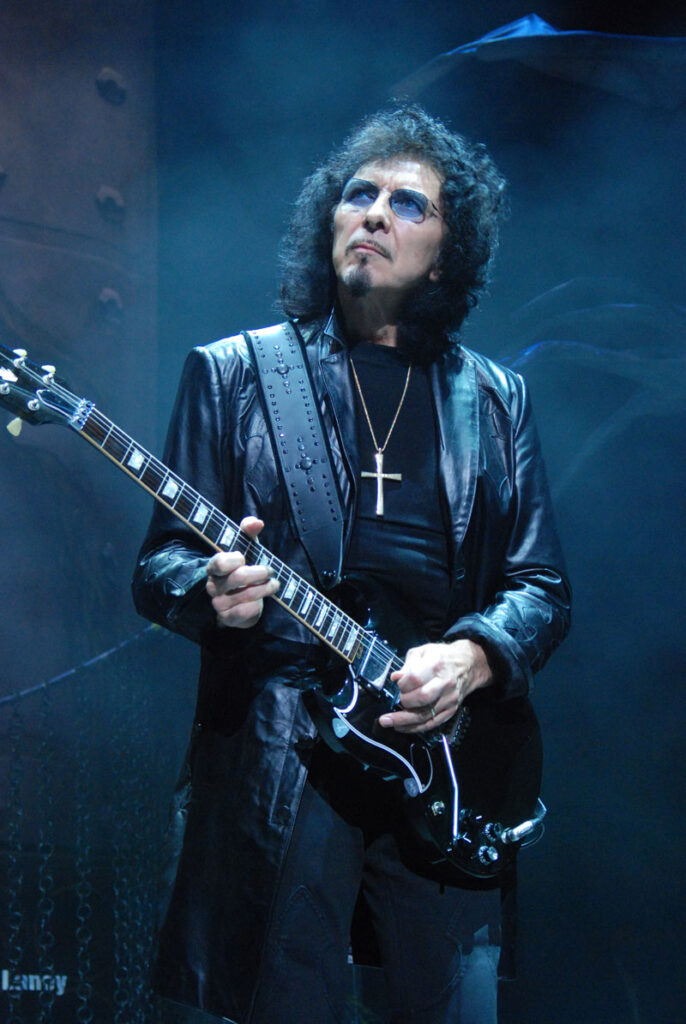
10. Brian May – Armed with a home-made guitar and a sixpence coin, May created the “orchestral” sound of Queen. His multi-tracked harmonies are a marvel of technical and melodic engineering.
9. Stevie Ray Vaughan – The man who saved the blues. SRV played with more physical power than perhaps anyone on this list, using heavy strings to produce a massive, bell-like tone.
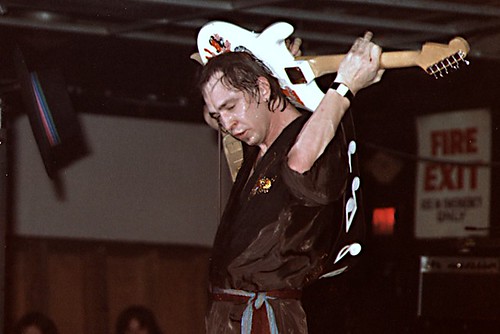
8. David Gilmour – The master of “emotional restraint.” His work with Pink Floyd proves that one perfectly placed, sustained note can move a listener more than a thousand fast ones.
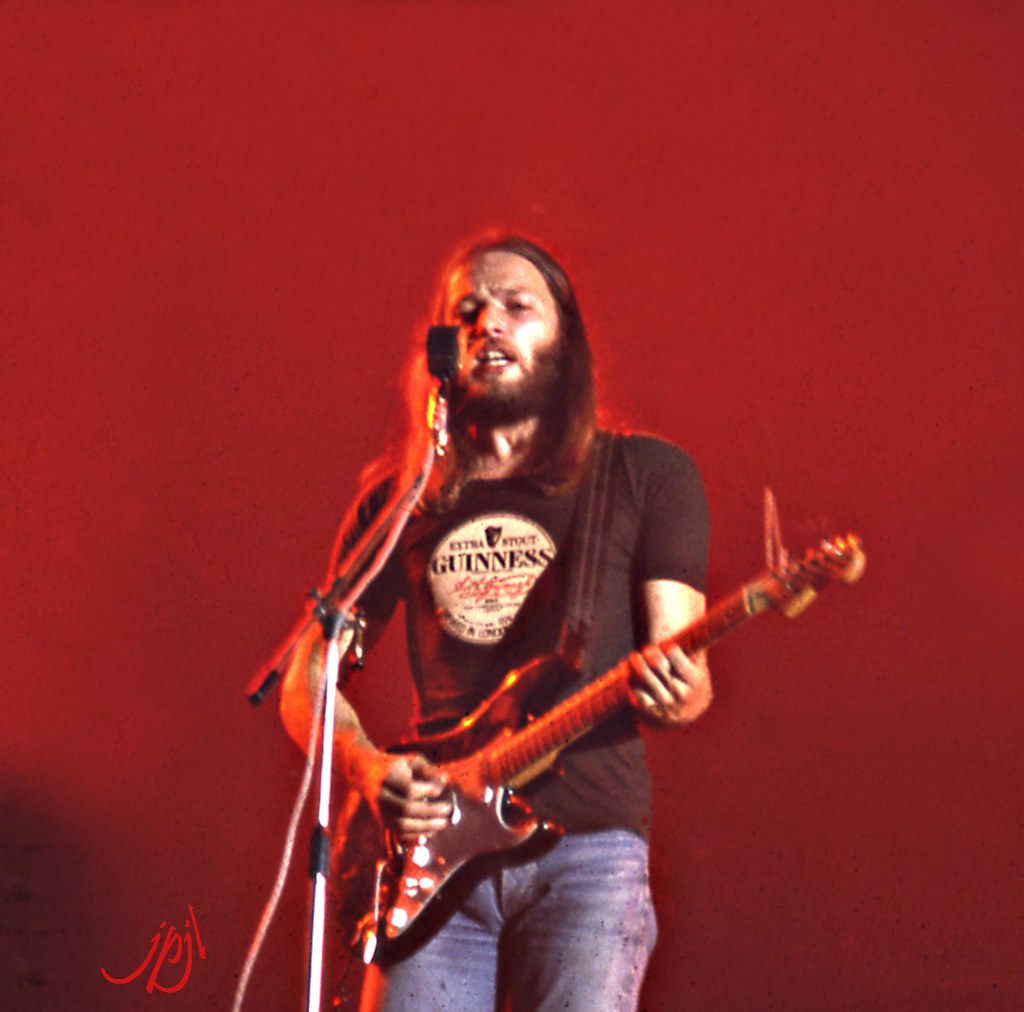
7. Jeff Beck – A “guitarist’s guitarist.” Beck’s ability to manipulate the volume knob and tremolo bar without a pick made his guitar sound like a living, breathing human voice.
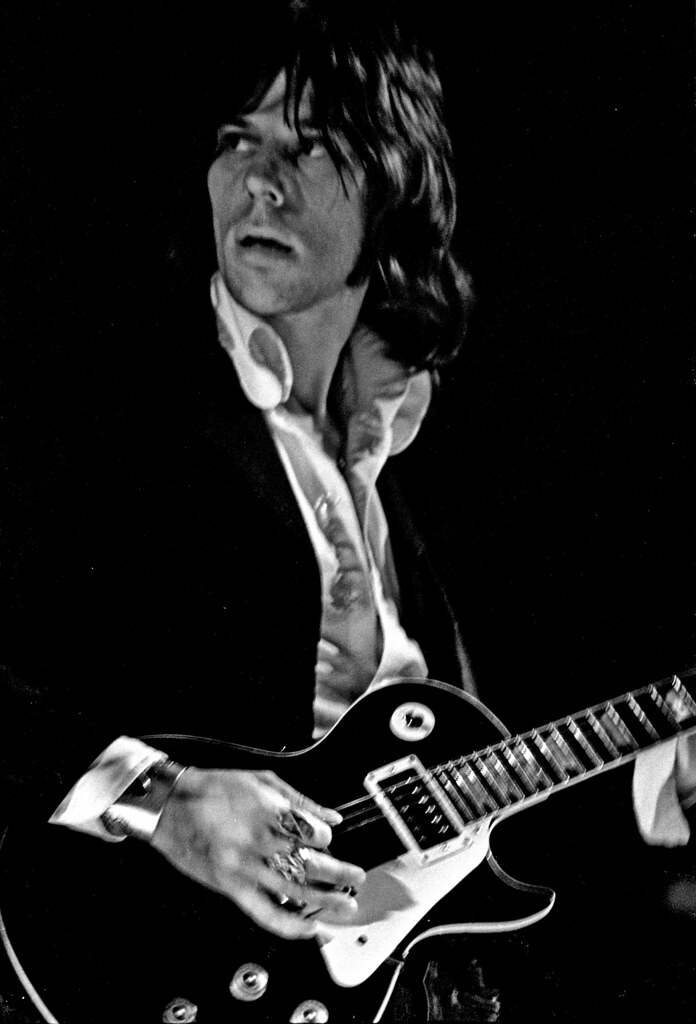
6. Eric Clapton – “Slowhand” brought a level of fluidity and vibrato to rock that made the blues feel modern. His influence in the 60s was so massive it sparked the “Clapton is God” phenomenon.
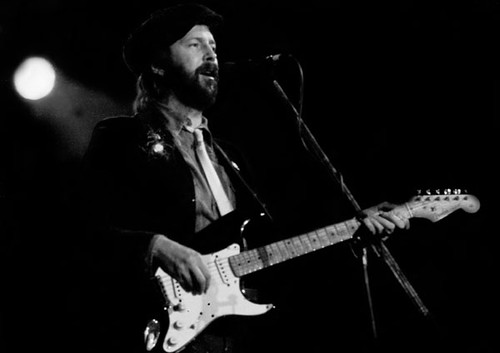
5. Keith Richards – The master of the groove. By stripping back the instrument to its rhythmic core and using open tunings, “Keef” created the heartbeat and the “cool” of the Rolling Stones.
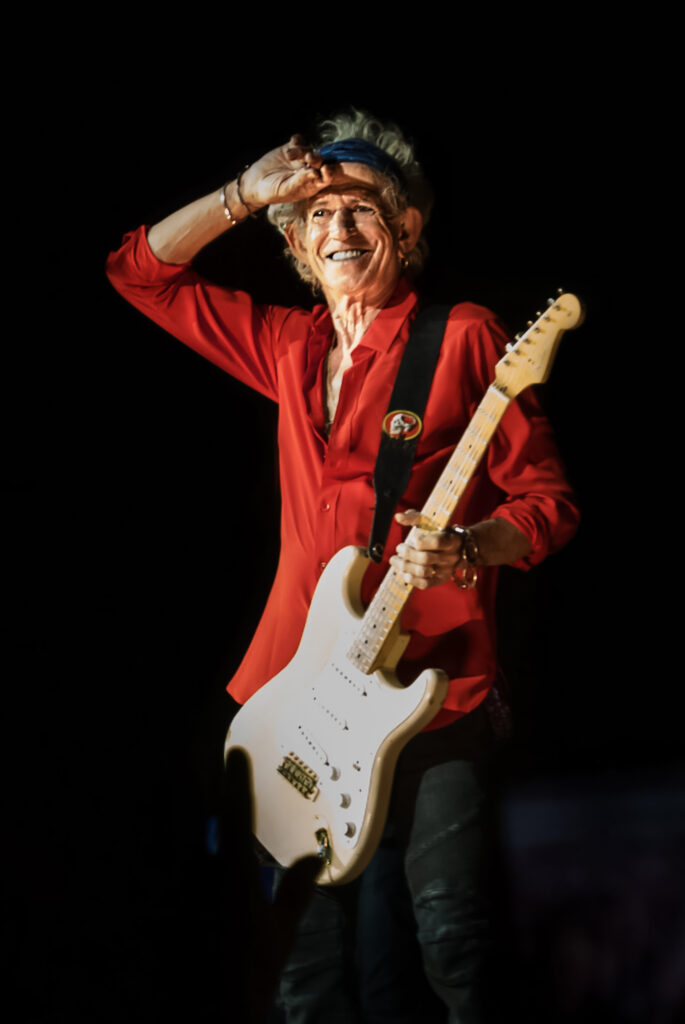
4. Jimi Hendrix – The eternal North Star. Hendrix transformed the guitar into a sonic paintbrush, harnessing feedback, distortion, and soul in a way that has never been equaled since.
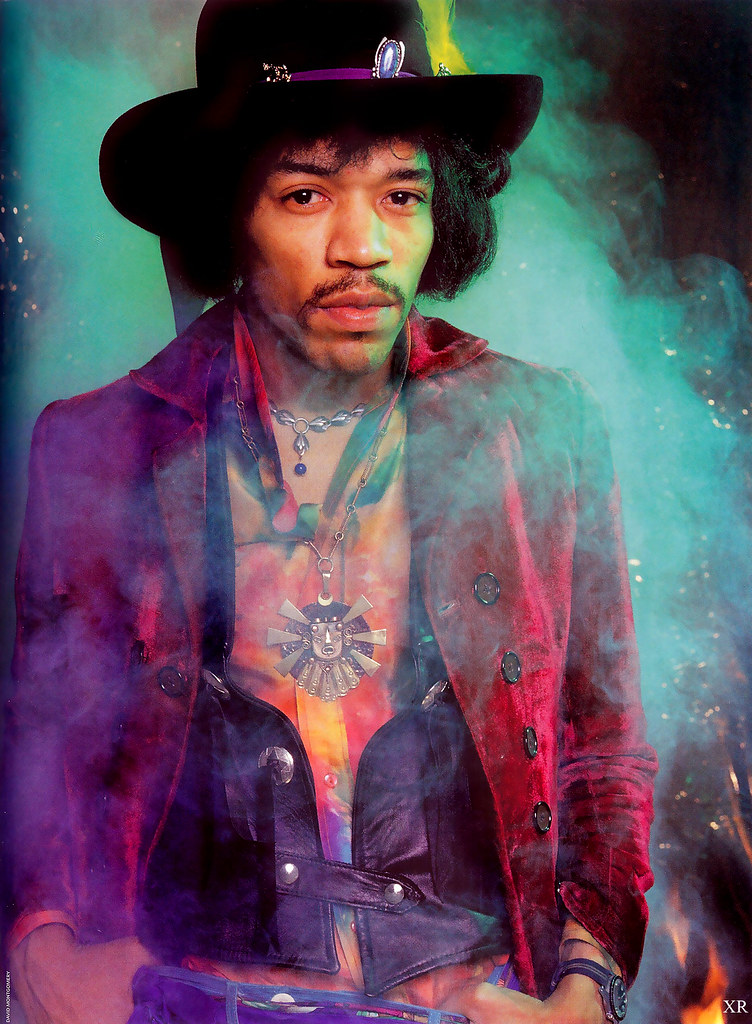
3. Jimmy Page – The ultimate rock architect. Page mastered “light and shade,” producing and playing the riffs that defined the 1970s. From folk acoustics to heavy blues-rock, he was the complete package.
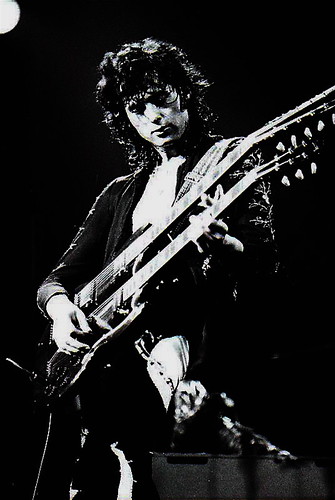
2. Chuck Berry – Without Chuck, there is no rock guitar. He took the blues and turned it into the high-energy, double-stop driven engine that powered the 20th century.

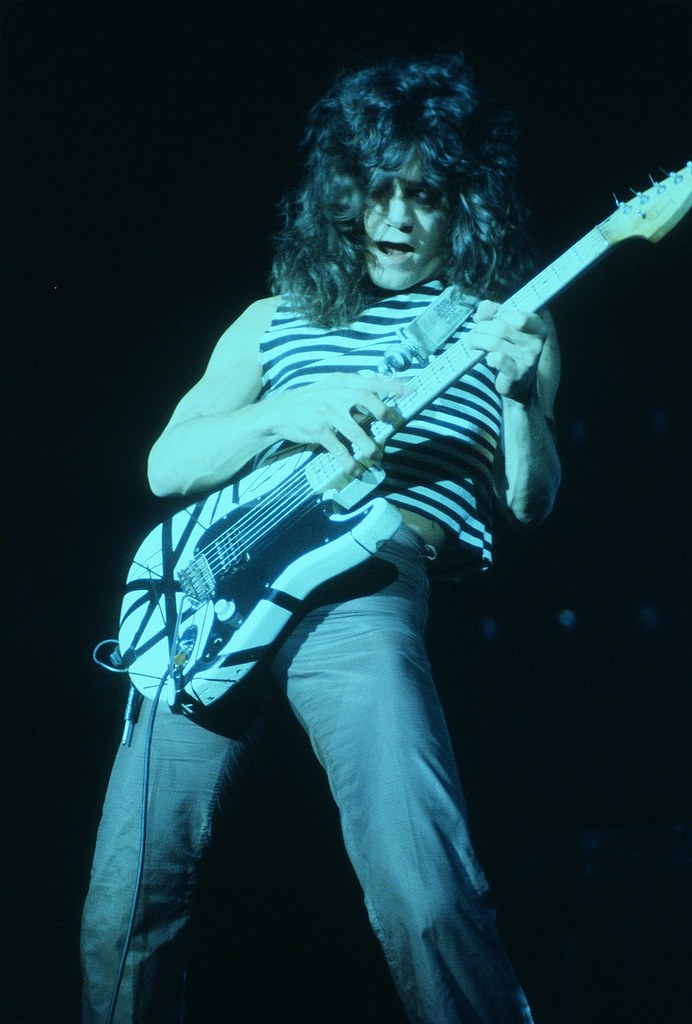
1. Eddie Van Halen – Eddie didn’t just play; he reinvented the mechanics of the instrument. From “Eruption” to his “brown sound,” he is the most influential technical innovator of the modern era.
What Do You Think, Guitardoor Fam?
Ranks are always subjective—that’s what makes the guitar community great! Did we get the Top 10 right? Who did we leave out?
Sound off in the comments below with your own personal Top 5!
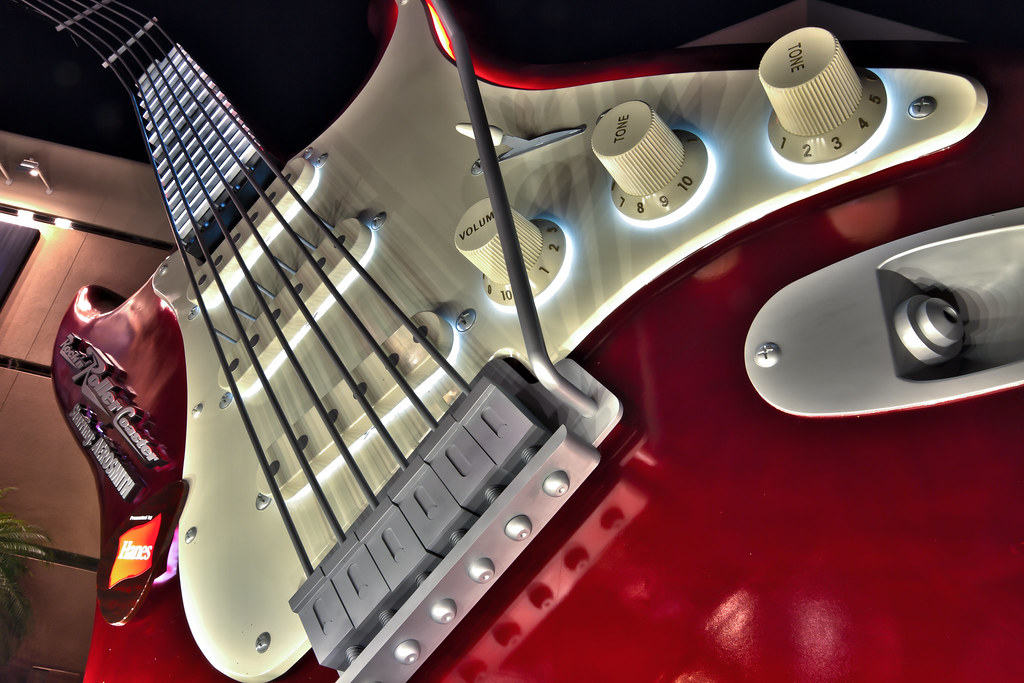
Cover Photo Credit “Hollywood Studios – Rocking Guitar” by Jeff Krause Photography is licensed under CC BY-NC-ND 2.0