These articles are about bands and music in general with focus on the guitar playing. They can also be about great guitar concerts from the past and bands who made the biggest impact with their guitar sounds.
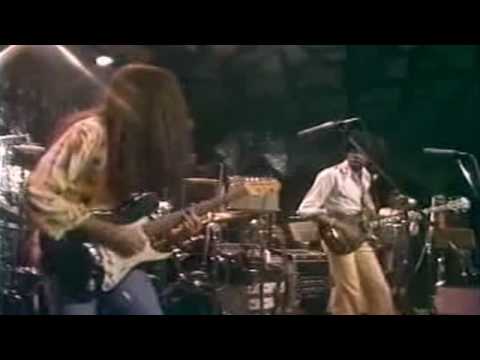
When discussion turns to the absolute peak of 1970s jazz-fusion, Ray Gomez stands as one of the most explosive, criminally underappreciated guitarists to ever pick up a Stratocaster. While his…
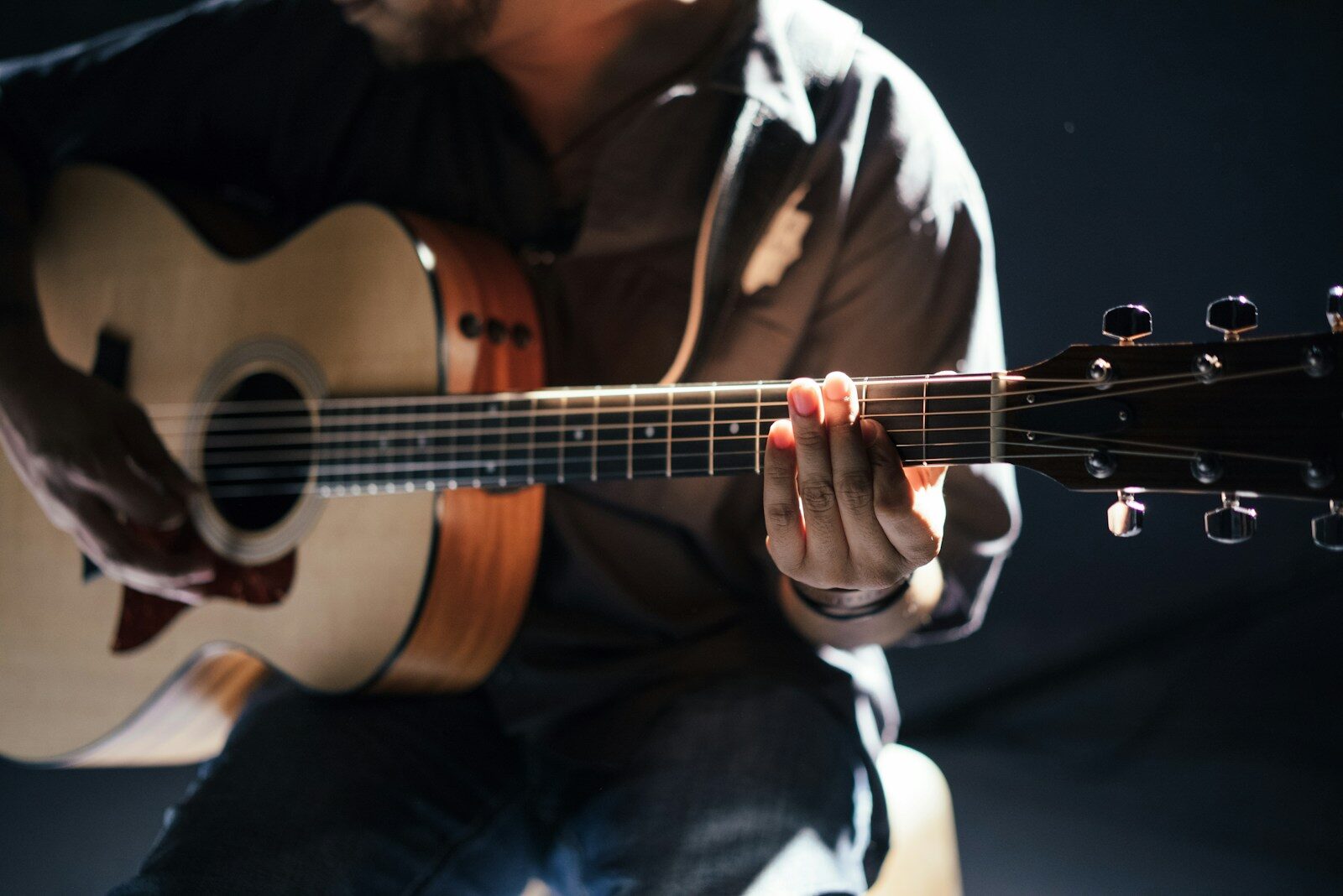
Every great song rests on a foundation of chord progressions—the harmonic engines that drive melodies, establish emotion, and give music its momentum. Whether you are picking up an acoustic for…
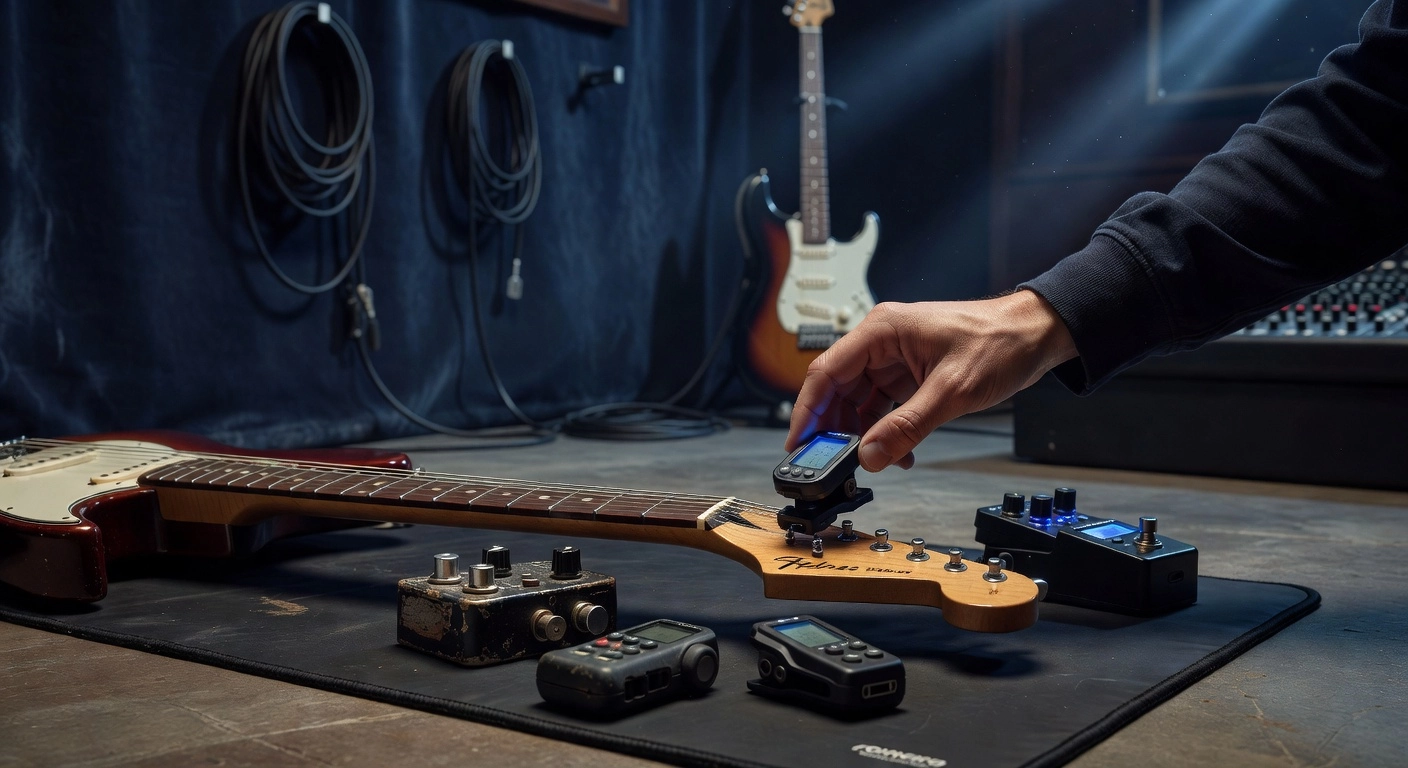
Keeping your guitar in tune is honestly one of the most important habits you can build, and the good news is that in 2026 there are more easy, accessible options than ever before.
Whether you just unboxed your first guitar or you've been playing for a few months, getting in tune is the first step to actually sounding good. But here's the thing: walk into any music store or browse online, and you'll find a dozen different types of tuners staring back at you.
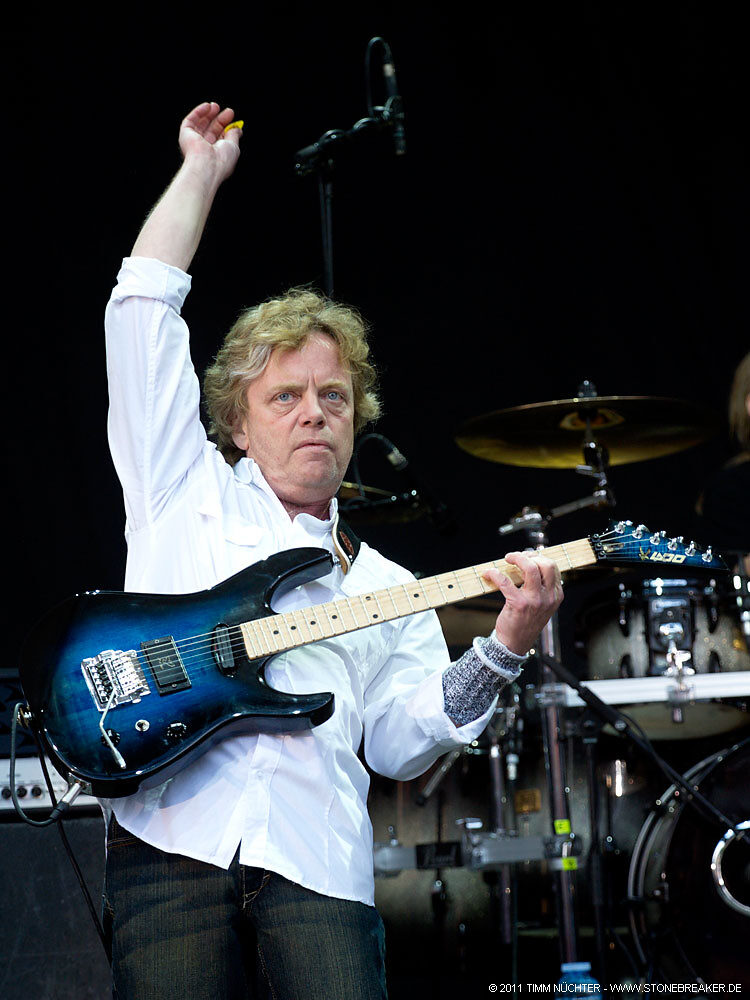
If progressive rock has a quiet guitar hero whose style is instantly identifiable within a single bar, it is Ian Crichton. As the co-founder and explosive engine behind Canadian progressive…
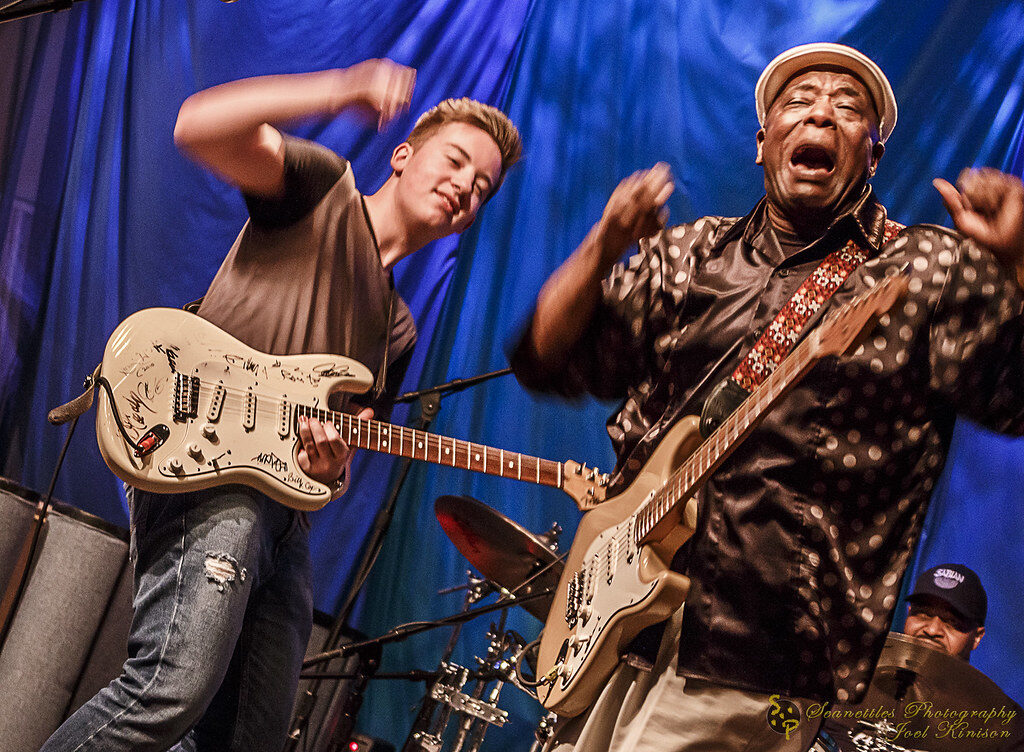
For years, Quinn Sullivan was known as the "kid who could trade licks with Buddy Guy." But in 2026, Sullivan has shed the "prodigy" label to become one of the…
If you’re a regular here at GuitarDoor, you know that true "hype" isn't found in a programmed drum beat or a polished synth loop. Real energy is generated by a…
Tom Johnston is the rhythmic soul of the Doobie Brothers. With his percussive strumming style and gritty vocal delivery, he created the blueprint for California biker-rock. In 2026, he remains at the top of his game, proving that a great groove never goes out of style.
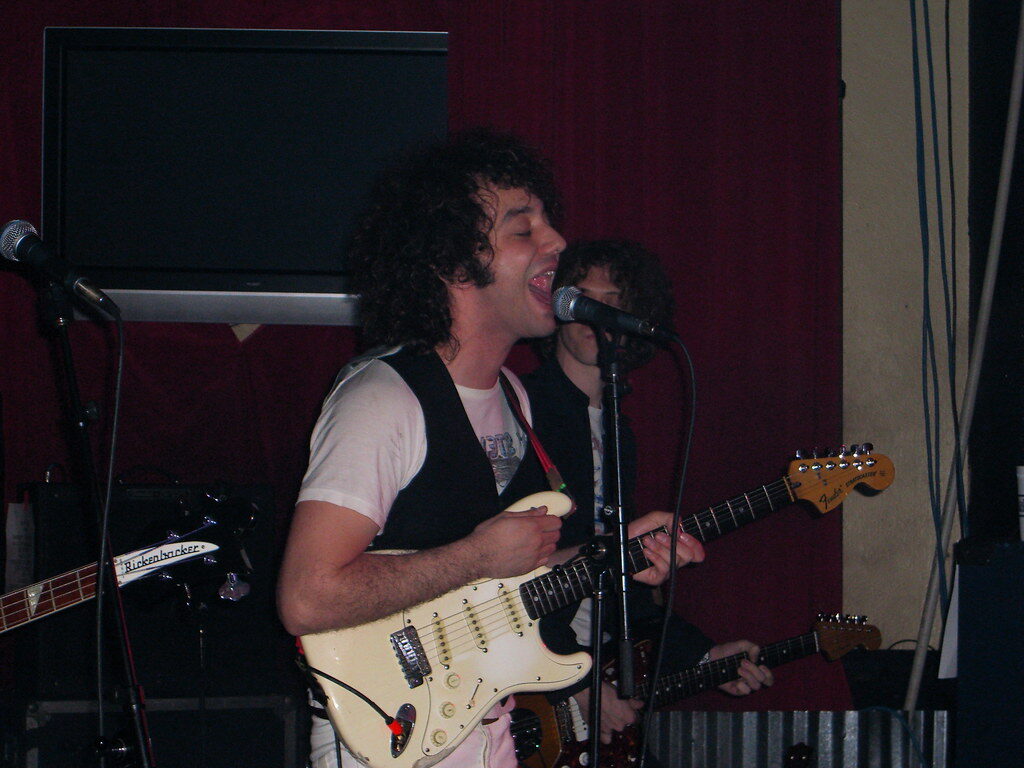
Albert Hammond Jr. is the master of rhythmic discipline. From his "all-downstroke" attack to his uniquely wired signature Stratocaster, he has defined the sound of 21st-century indie rock. In 2026, he remains the primary influence for every guitarist who knows that the pocket is just as important as the solo.
"Looking back at the sixties as a time when metal came out of the mountains, Brendan Bayliss represents the era where the walls between genres finally crumbled. As the anchor for Umphrey’s McGee, Bayliss treats the guitar like a high-precision tool, proving that a jam band can have the surgical precision of prog-metal and the soul of a classic songwriter."