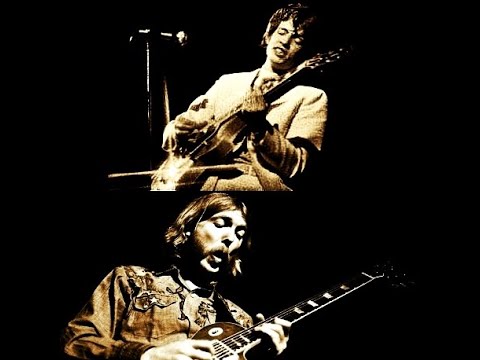
Blues at the Crossroads: The Hammond-Allman Connection
In 1969, a historic collision occurred at Muscle Shoals Sound Studio. It was the moment John Hammond Jr., a guardian of the blues tradition, met Duane Allman. The standout track,…

Explore the stories behind the jams, the creative friction, and the shared genius that happens when two or more guitar heroes (or guitarists and other artists) join forces. From fiery duels and groundbreaking studio sessions to unforgettable live performances, we analyze the techniques, the chemistry, and the lasting impact of the greatest collaborative moments involving the guitar.
In 1969, a historic collision occurred at Muscle Shoals Sound Studio. It was the moment John Hammond Jr., a guardian of the blues tradition, met Duane Allman. The standout track,…
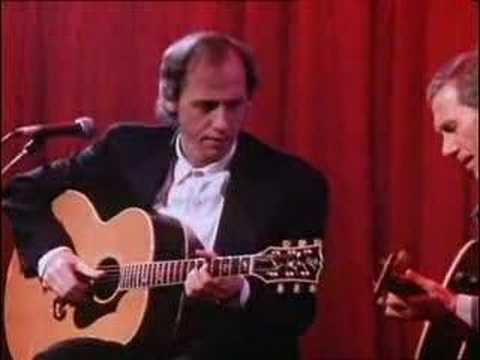
What happens when the "Sultans of Swing" meets the architect of the Nashville Sound? Explore the legendary partnership between Mark Knopfler and Chet Atkins—a collaboration that bridged the gap between rock royalty and country heritage. From their Grammy-winning album Neck and Neck to their mesmerizing live acoustic medleys, we dive into the fingerstyle techniques, the iconic gear, and the mutual respect that defined this masterclass in guitar artistry.
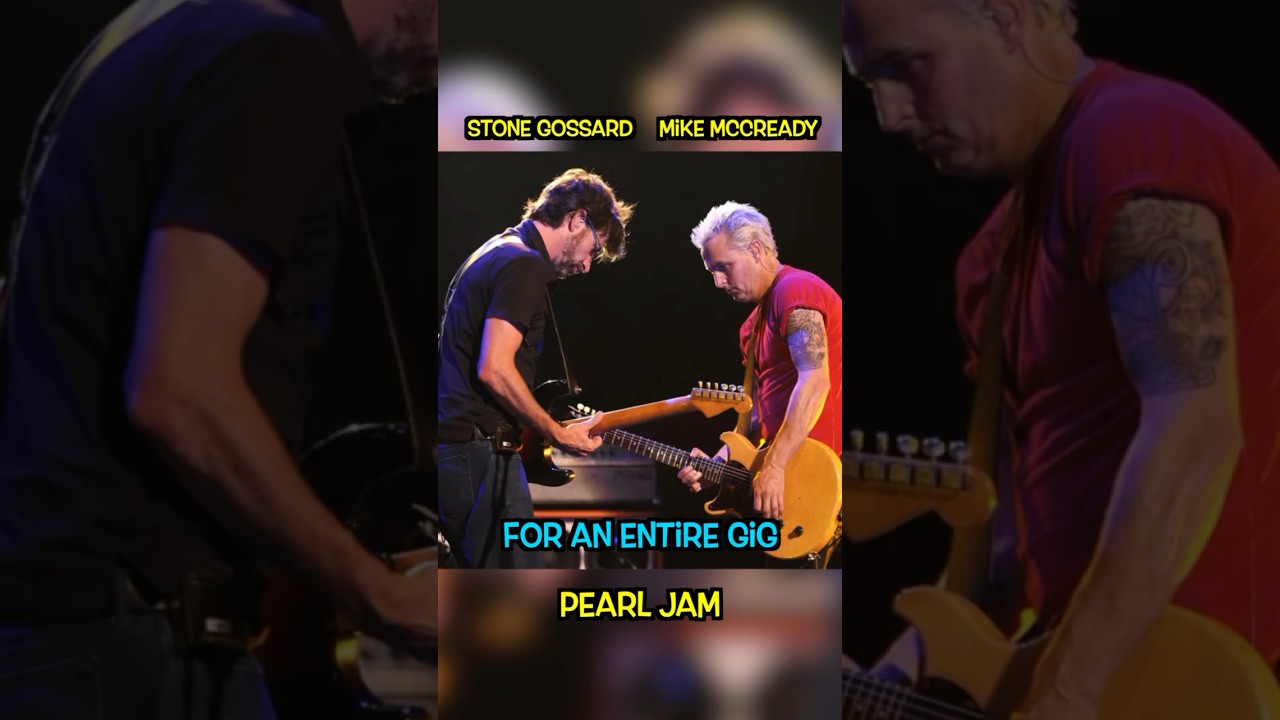
f Mike McCready is the kinetic lightning in Pearl Jam’s sound, Stone Gossard is the tectonic plate that shifts beneath him. Their relationship isn't a simple "lead vs. rhythm" dynamic; it is a masterclass in musical architecture.
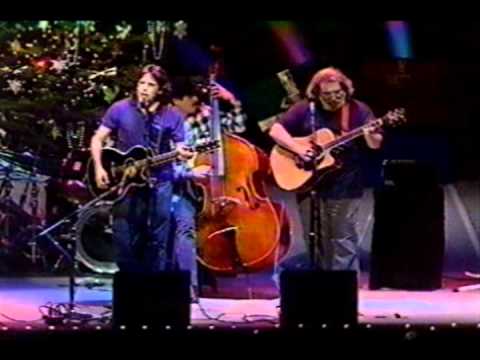
Forget the "Wall of Sound" and the psychedelic light shows for a second. On December 17, 1987, at the Warfield Theatre in San Francisco, something much more intimate—and arguably more…
The legendary performance took place in London around 1990, as Gary Moore was celebrating the massive success of his blues watershed album, Still Got the Blues. To truly cement his return to the genre, Moore brought two of his greatest influences—and two of the most influential guitarists in blues history—to share the stage: Albert King, the "King of the Blues," and Albert Collins, "The Master of the Telecaster" (or "The Iceman").
In 1982, Andy Summers was at the height of his fame with The Police, while Robert Fripp was continuing to redefine progressive music with a revived King Crimson. This collaboration allowed both to step away from the constraints of their main bands and explore the outer reaches of minimalism and electronic-influenced guitar music.
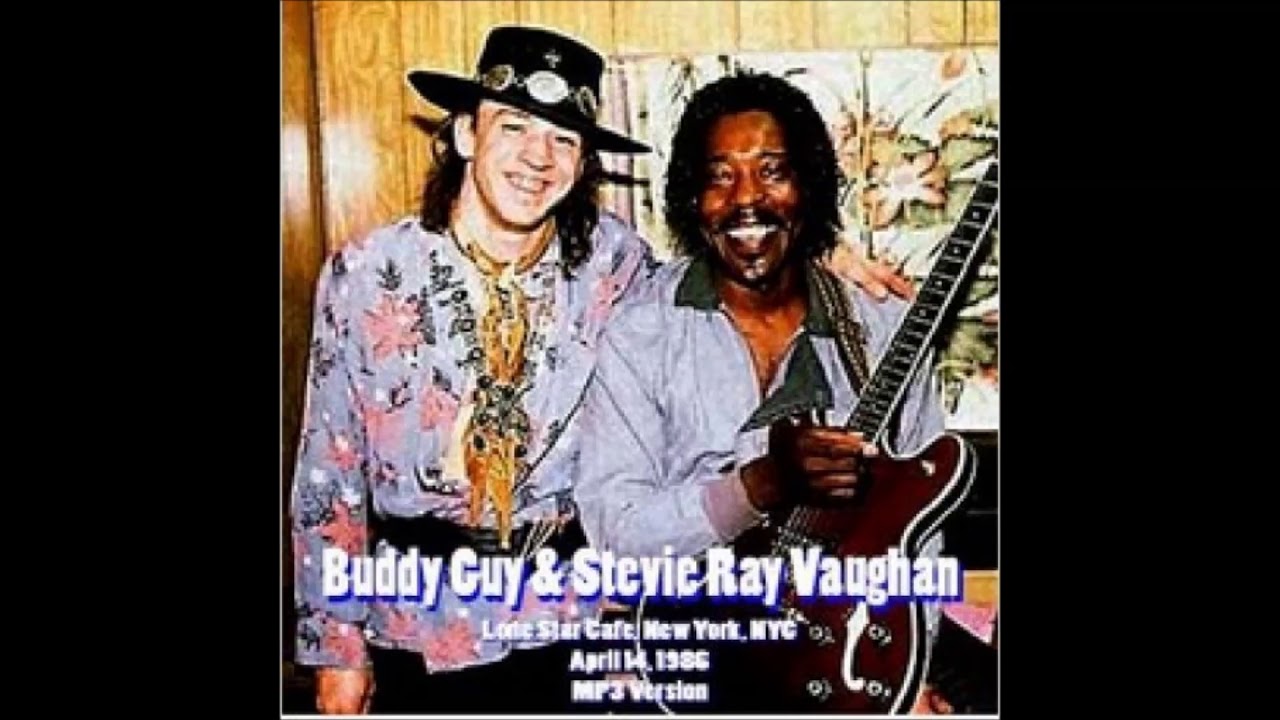
While the set featured several blues standards, the standout moment was their take on "Mary Had A Little Lamb." Though originally a Buddy Guy track from the 1960s, Stevie had popularized it for a new generation on his Texas Flood album.
In 1974, the Montreux Jazz Festival became the site of a truly historic "great guitar collaboration"—one that transcended mere instrumental teamwork and became a masterclass in blues chemistry and performance…
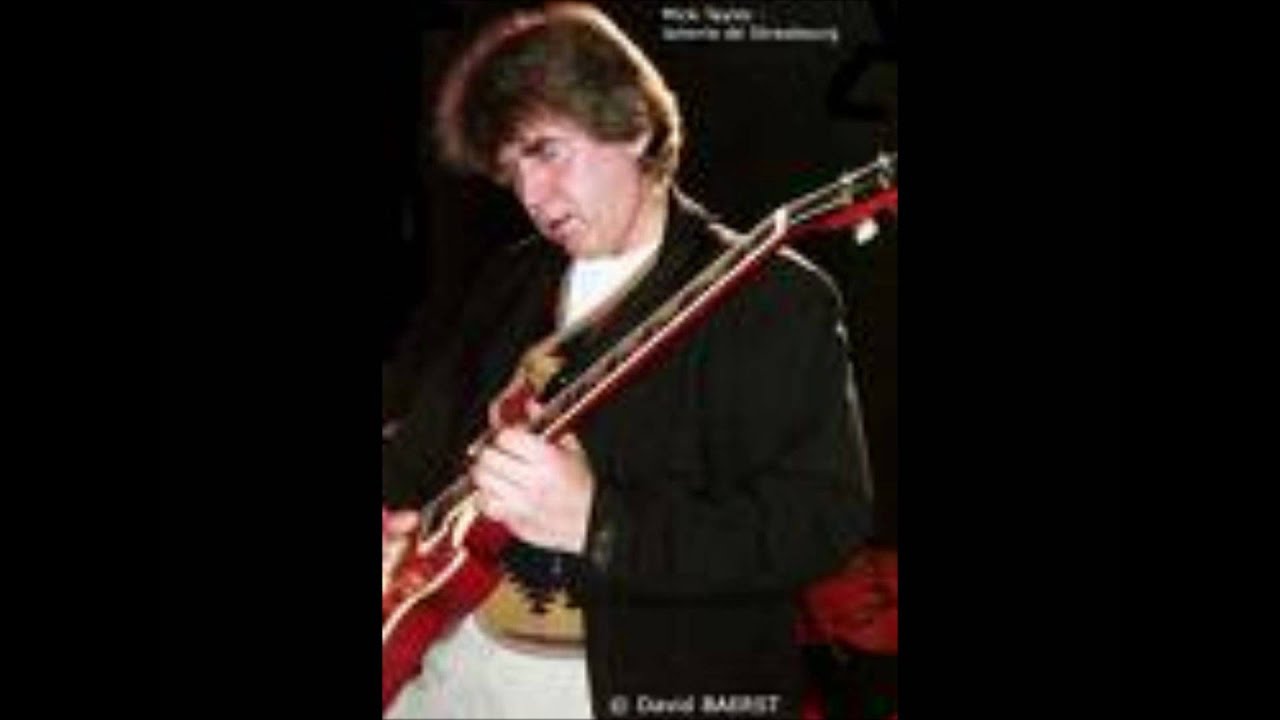
Mick Taylor and Carla Olson is a powerful reminder that the blues is not about age or genre, but about feeling. Taylor, already a legend, found a perfect musical partner in Olson to revisit a classic from his past,
In the world of guitar heroes, we often celebrate the rockers and the blues legends, but Nashville holds a different kind of deity: the session guitarist. These are the players…