Ever heard of Hawkwind? If you’re a die-hard fan of Motörhead, you’re undoubtedly familiar with their legendary, gravel-voiced frontman and bassist, Lemmy Kilmister. But did you know that before he became the uncompromising face of heavy metal, he was a crucial member of Hawkwind? As pioneering giants of the 1970s UK underground, Hawkwind didn’t just play music—they weaponized a brand-new genre known as space rock. In doing so, they ultimately influenced generations of punk, metal, stoner rock, and psychedelic musicians worldwide.
Hawkwind’s sonic signature was a mind-bending, hypnotic blend of driving psychedelic rock, oscillating electronic frequencies, and cosmic, sci-fi themes. Their live shows were legendary multimedia assaults on the senses, featuring swirling light shows, interpretive dancers like Stacia, and an overwhelming wall of sound. Many music historians now describe these gigs as the true blueprint for early electronic raves, decades before the electronic dance community ever coined the term. In this expanded guide, we delve deep into the chaotic history of Hawkwind, charting their rise from grassroots buskers to counterculture icons, and exploring the defining, high-octane era led by the charismatic Lemmy Kilmister.
The Early Years and Psychedelic Origins of Hawkwind
Formed in the counterculture haven of Ladbroke Grove, London, in 1969, Hawkwind was originally conceptualized by guitarist, singer, and continuous mastermind Dave Brock. Bringing together a ragtag collective of street musicians and free-thinkers, the initial lineup included Nik Turner on saxophone and flute, Mick Slattery on guitar, Dik Mik manipulating an audio generator, John Harrison on bass, and Terry Ollis on drums. In these formative years, the band’s identity was defined by pure, unadulterated sonic experimentation, often playing free concerts, benefit gigs, and anti-establishment rallies.
While their early lineup resembled a revolving door of eccentric talents, the addition of the immensely talented guitarist Huw Lloyd-Langton solidified their sound. Lloyd-Langton brought a fluid, melodic, yet strikingly heavy blues-rock edge to the collective. This musical grounding helped the band gain serious underground traction and critical recognition with their self-titled 1970 debut album. His soaring guitar lines provided a necessary anchor against the chaotic waves of electronic noise and free-jazz sax improvisations that threatened to derail their early jams.
One of the most pivotal, myth-making breakthroughs in Hawkwind’s early history occurred at the infamous 1970 Isle of Wight Festival. Operating entirely outside the main festival gates on a makeshift canvas stage as a protest band for the fans who couldn’t afford tickets, their raw, unhinged performance caught the attention of Jimi Hendrix himself. Hendrix was so captivated by their cosmic aesthetic and relentless rhythm that he famously dedicated his mainstage set to “the guy with the silver face”—referring directly to Nik Turner’s iconic, metallic stage makeup. Little did the band know that a vital member of Hendrix’s own inner road crew would soon reshape Hawkwind’s destiny forever.
The Arrival of Lemmy Kilmister: Shifting into High Gear
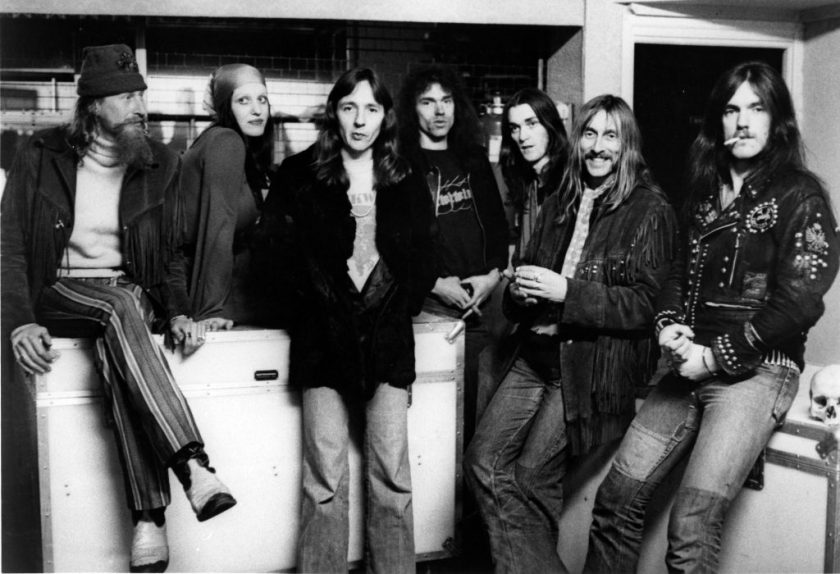
In 1971, fate intervened in the most chaotic way possible. Hawkwind’s regular bassist failed to show up for a high-profile gig at a benefit concert. Desperate for a replacement who could hold down a groove, synthesizer wizard Dik Mik reached out to his close friend, Ian “Lemmy” Kilmister, to fill the void. Lemmy, who was fresh off a legendary stint working as a roadie and equipment handler for the Jimi Hendrix Experience, arrived at the venue with zero formal training on the bass guitar. In fact, he had spent most of his musical life up to that point playing rhythm guitar in beat groups like The Rockin’ Vickers.
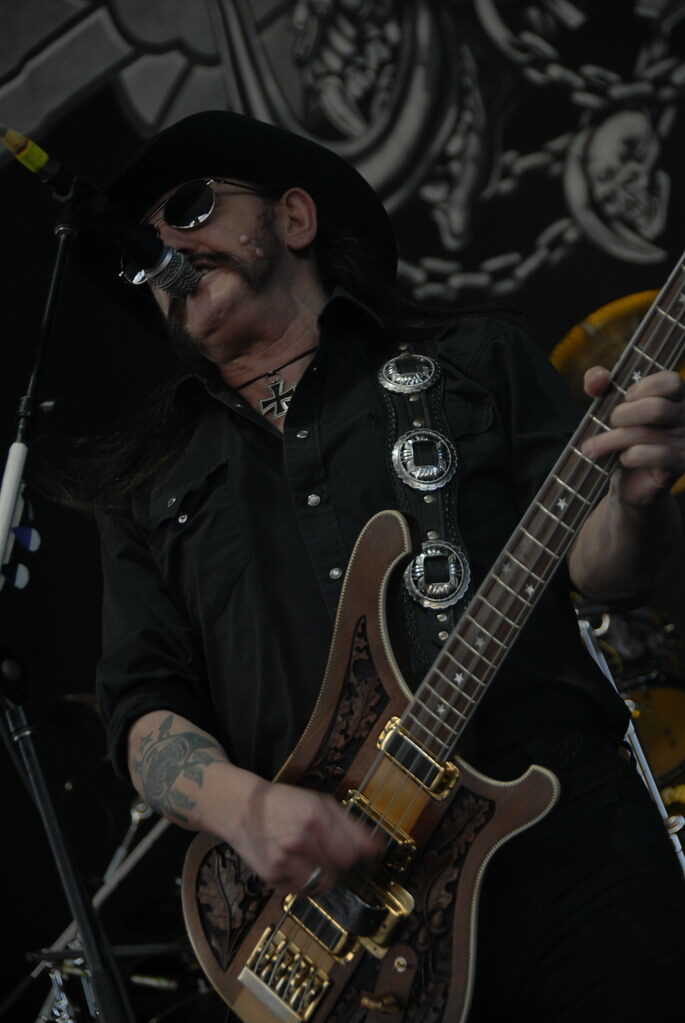
Because he viewed the instrument through the lens of a rhythm guitarist, Lemmy didn’t play traditional, walking basslines. Instead, he locked onto a heavily modified Rickenbacker bass, cranked his Marshall amplifiers to the absolute limit, and utilized heavy distortion, full chords, and a punishing, driving pick-attack. This happy accident permanently redefined the band’s sonic landscape. He injected a fierce, relentless proto-punk energy into the band’s sprawling, cosmic jams, transforming them from an ethereal psychedelic act into a heavy, thundering interstellar war machine.
With Lemmy firmly locked into the rhythm section alongside powerhouse drummer Simon King, Hawkwind entered what fans universally consider their commercial and creative golden era. This highly volatile lineup produced the chart-topping, standalone UK single “Silver Machine”—which famously featured Lemmy on lead vocals after the band decided his gruff delivery fit the track better than Robert Calvert’s original take. This era culminated in the release of the groundbreaking 1973 live double album, “Space Ritual.” Widely considered by rock historians to be one of the greatest live albums ever pressed to vinyl, “Space Ritual” perfectly captured the band’s intense, trance-inducing audio-visual energy, cementing their status as the undisputed, reigning kings of space rock.
The End of an Era and the Birth of Motörhead
As fast and furious as it began, Lemmy’s legendary tenure with Hawkwind was destined to be cut short by the very rock-and-roll lifestyle that fueled it. In May 1975, while crossing the border from the United States into Canada during a chaotic North American tour, Lemmy was arrested by customs officials for drug possession. Believing he had been caught with dangerous illegal substances, the band panicked. Tired of his unpredictable lifestyle choices and managing brewing interpersonal factions within the group, the remaining members made the controversial decision to fire him on the spot, replacing him mid-tour.
While this abrupt departure completely devastated space rock fans at the time, it proved to be an absolute turning point for the history of heavy music. Reeling from the betrayal, Lemmy took the very final song he had written and recorded for Hawkwind—appropriately titled “Motorhead”—and used it as the conceptual foundation to start his own power trio. He took that signature, distorted Rickenbacker bass technique he developed in Hawkwind, sped it up, and created Motörhead, a band that bridged the gap between punk rock and the New Wave of British Heavy Metal, changing the trajectory of rock guitar and metal forever.
The Enduring Space Rock Legacy
Despite his sudden and bitter exit in 1975, Lemmy’s legacy within the classic Hawkwind lineup remains completely undeniable. His thunderous basslines, rhythmic precision, and rebellious, anti-authoritarian attitude permanently altered the band’s trajectory during their peak commercial years. You can still hear his deep underground influence echoing in modern guitar styles, from the driving riffs of stoner rock icons like Kyuss and Monster Magnet to the raw aggression of early punk and heavy metal acts that followed in their cosmic wake.
Hawkwind proved that rock music didn’t have to be bound to earth. By combining heavy blues-rock guitar work with avant-garde electronic noises and a relentless, driving rhythm section, they opened up a whole new universe of sonic possibilities for future generations of musicians to explore.
Stay tuned for Part 2 of this series, where we’ll delve deeper into Hawkwind’s enduring legacy, explore their fascinating post-Lemmy evolution through the late 70s and 80s, and discuss their permanent impact on modern alternative music and the evolution of the space rock genre.