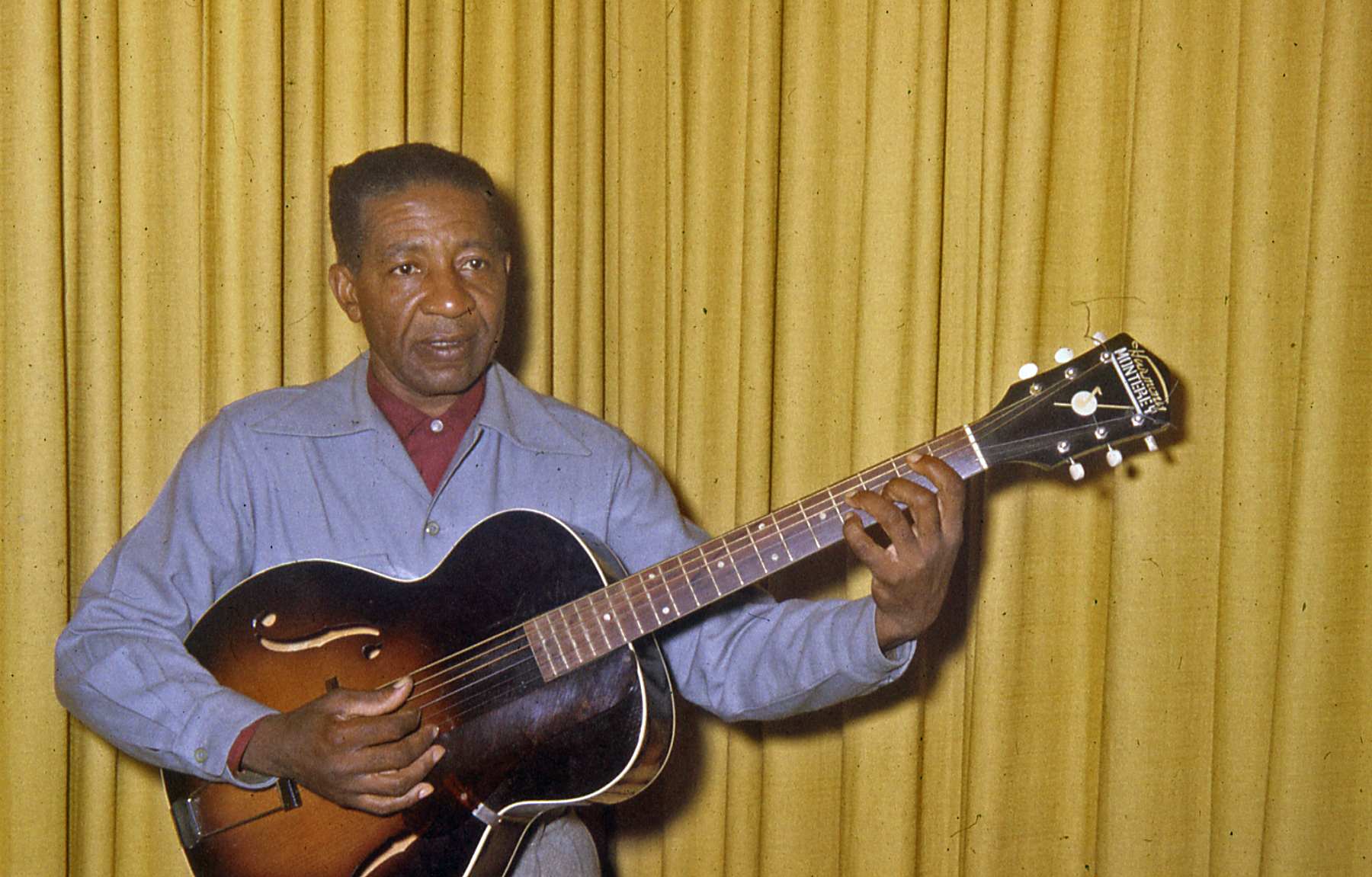
Lonnie Johnson. The name might not echo in every modern blues aficionado’s ear with the same instant recognition as B.B. King, Muddy Waters, or Robert Johnson (no relation, though Robert was a profound admirer, even claiming Lonnie as a brother at times). Yet, Alonzo “Lonnie” Johnson stands as a colossus, a foundational pillar whose revolutionary guitar work and silken vocals sculpted much of the landscape for what we now celebrate as blues and jazz guitar. He was, in many respects, the blues’ inaugural guitar hero, a musician of immense sophistication whose influence continues to reverberate through the generations.
This Guitardoor.com exploration journeys into the heart of Lonnie Johnson’s music. We’ll uncover what cemented his status as a blues immortal, offer guidance for guitarists aspiring to weave his distinctive techniques into their own playing, highlight three indispensable tracks from his vast repertoire, and point towards further resources for those compelled to delve deeper into the story of this often-undercelebrated master.
From the Crescent City’s Cradle to Global Stages: The Musical Odyssey of Lonnie Johnson
Born in the vibrant musical crucible of New Orleans, Louisiana, likely on February 8, 1889 (though dates vary in some accounts), Lonnie Johnson was enveloped by music from his earliest days. His family was a wellspring of musical talent, and he initially took up the violin and piano. However, it was the guitar that ultimately captivated his soul. Turn-of-the-century New Orleans was a rich gumbo of sounds – ragtime, nascent jazz, the raw cries of the blues, spirituals, and more – and this eclectic sonic tapestry profoundly informed Johnson’s evolving musical language.
His nascent career saw him gracing various stages, including a significant period touring Europe with a musical revue starting around 1917. Tragedy struck with cruel force upon his return to the United States in 1919: he learned that the devastating 1918 influenza pandemic had claimed his entire family, save for his brother James. This profound loss steered him towards St. Louis, a city where he would begin to truly forge his legendary reputation.
The 1920s marked a period of meteoric ascent for Johnson. A pivotal moment arrived in 1925 when he emerged victorious in a blues competition sponsored by Okeh Records, a win that secured him a recording contract. This was the springboard for a remarkably prolific recording career that would span several decades and yield hundreds of influential sides. What immediately distinguished Johnson was his breathtaking technical command and his innate ability to meld the visceral emotion of the blues with the refined harmonic and melodic sophistication of jazz.
He was far more than a “bluesman” in the rustic, Delta tradition. Johnson was the epitome of an urbane, polished, and forward-thinking musician. His collaborations read like a who’s who of jazz royalty, including seminal recordings with Louis Armstrong, where their incredible musical dialogue can be heard on tracks like “Hotter Than That,” and with the iconic Duke Ellington on “The Mooche.” Perhaps most groundbreaking were his series of guitar duets with the white jazz guitarist Eddie Lang (some recorded under the pseudonym Blind Willie Dunn to navigate the era’s pervasive racial segregation). These duets, featuring masterpieces like “A Handful of Riffs” and “Guitar Blues,” presented an unprecedented level of intricate guitar interplay, improvisational genius, and technical finesse that was light years ahead of its time.
The Genesis of a “Blues Great”: Unpacking Lonnie Johnson’s Innovations
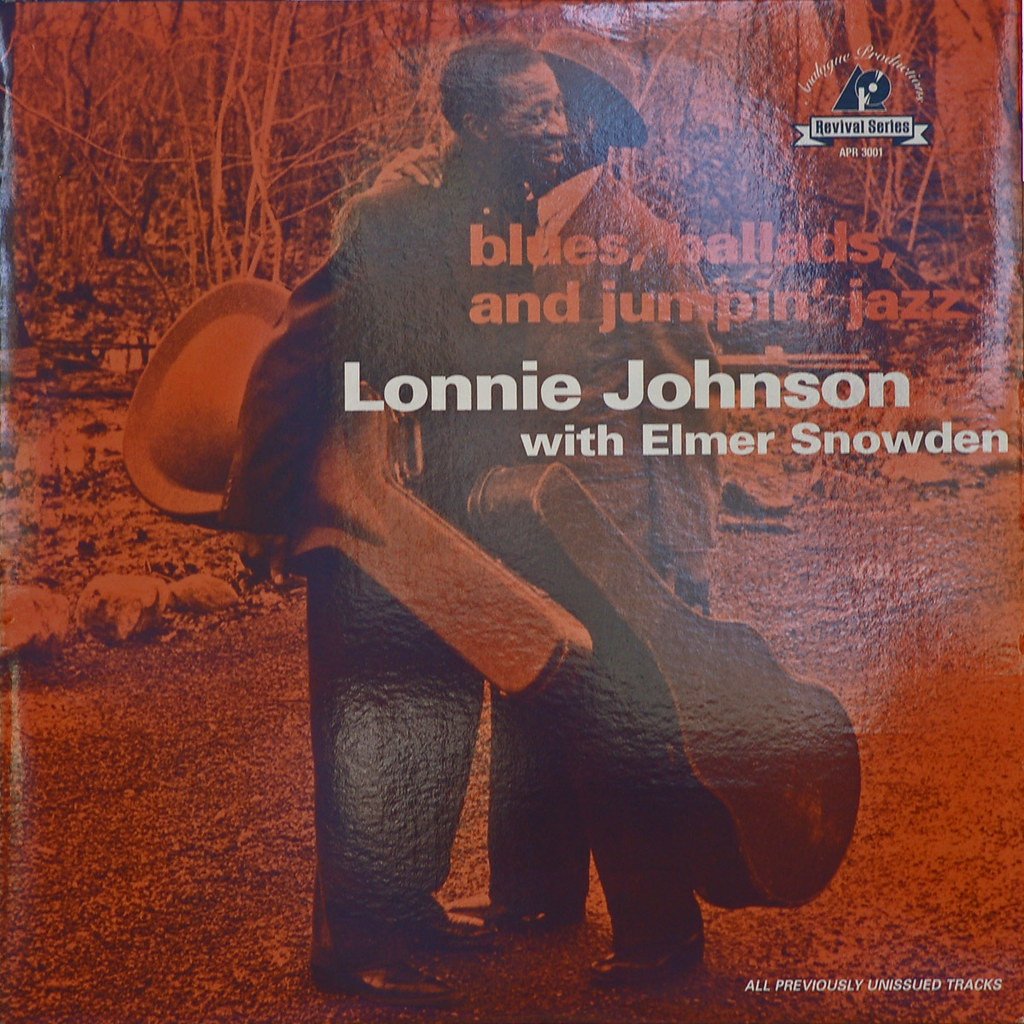
Lonnie Johnson’s elevation to the pantheon of “blues greats” is built upon several foundational innovations and enduring contributions that reshaped the sound of American music. He was, crucially, the trailblazer for single-note guitar soloing. Before Johnson stepped into the spotlight, the guitar in both blues and jazz was largely confined to a rhythmic, chord-accompanying role. Johnson shattered this convention, demonstrating with audacious clarity that the guitar could be a potent lead instrument, capable of articulating complex melodic ideas and improvisations with unparalleled precision and grace, typically using a pick. This was nothing short of revolutionary, directly influencing virtually every blues, jazz, and rock guitarist who followed.
His technical virtuosity and the sheer fluidity of his playing were also central to his legend. Johnson possessed an extraordinary command of the fretboard, characterized by impeccably clean articulation, effortlessly flowing runs, intricate and thoughtful phrasing, and a sophisticated harmonic sensibility that often seemed to predate its era. He masterfully incorporated techniques like string bending and vibrato, not as flamboyant tricks, but with a nuanced expressiveness that imbued his guitar lines with a distinctly vocal quality, a new sound for the blues guitar.
Furthermore, Johnson was a rare master of both the blues and jazz idioms, moving between them with seamless artistry. He could conjure the deepest, most traditional blues feeling, then pivot to navigate the complex chord changes and improvisational challenges of jazz with sophisticated ease. This remarkable versatility set him apart and made him a powerful influence on musicians eager to push the conventional boundaries of blues. Beyond his instrumental prowess, Johnson was a gifted vocalist, possessing a smooth, clear tenor that contrasted sharply with the rougher, more guttural vocal styles of many contemporaries. This vocal appeal, coupled with his sophisticated musicianship, allowed him to achieve significant crossover success, most notably with his 1948 ballad “Tomorrow Night.” This track not only topped the R&B charts for seven weeks but also made significant inroads into the pop charts, showcasing his wide-ranging appeal and influence. Even his songwriting often displayed a lyrical depth and introspection that transcended typical blues themes, crafting clever narratives and poignant social commentary.
His impact is undeniable. Icons such as T-Bone Walker, who largely defined the template for electric blues guitar, Charlie Christian, a pioneer of electric jazz guitar, the legendary B.B. King, and even the enigmatic Robert Johnson have all acknowledged Lonnie Johnson as a significant inspiration. He didn’t just play the guitar; he redefined its potential.
Channeling the Master: Cultivating Lonnie Johnson’s Playing Style
For guitarists aspiring to infuse their playing with the elegance and innovation of Lonnie Johnson, several key areas warrant dedicated focus. Firstly, strive for mastery in single-note clarity when using a pick. Johnson’s melodic lines were paradigms of articulation and graceful flow. This demands diligent practice of scales – major, minor, blues, and pentatonic – alongside arpeggios across the entire fretboard, always aiming for a consistent, smooth tone and precise articulation of each individual note, favoring a connected sound over an aggressive attack. Deep listening is also crucial; pay close attention to how he constructed his solos, noting his phrasing, his judicious use of space, and the captivating melodic contours he would weave.
Developing a keen sense of melodic improvisation is another cornerstone of his style. Johnson was a supreme melodist, and his solos frequently felt like natural extensions of the vocal melody or meticulously crafted counter-melodies. Instead of merely running scales, challenge yourself to create singable, memorable melodic phrases over standard blues progressions. Envision your solos as narratives, telling a story with your notes. A valuable exercise is to transcribe some of his simpler solo lines by ear, meticulously analyzing his note choices in relation to the underlying chords. This often reveals a sophisticated approach to chord-tone soloing, where he would target the essential tones of each chord (root, 3rd, 5th, 7th) on strong beats to outline the harmony.
Subtlety in string bending and vibrato is also key to capturing his expressive nuances. While not as overt or exaggerated as many later electric blues stylists, Johnson employed bends and vibrato with remarkable effectiveness, adding a soulful, vocal-like character to his notes. Practice controlled, perfectly in-tune bends. Experiment with various types of vibrato, such as that produced by the finger or wrist, to discover what best achieves an expressive shimmer for single-note lines, remembering that his vibrato was generally more subtle and refined than wide and aggressive.
A comprehensive understanding of chordal harmony and the ability to execute smooth transitions between chords are also vital. Even within his solo performances, Johnson’s profound grasp of harmony was always evident. His iconic duets with Eddie Lang serve as extraordinary masterclasses in sophisticated chordal interplay. Aspiring guitarists should therefore seek to expand their chord vocabulary well beyond basic blues voicings. Delve into inversions and explore more jazz-inflected voicings, such as 6th and 9th chords. Practice moving seamlessly between these chords, not only in rhythm playing but also when implying harmony within your single-note lines, as many of his instrumental pieces beautifully demonstrate advanced chord-melody playing. While much of his celebrated work was performed in standard EADGBe tuning and in common keys like D and E, some sources suggest he occasionally explored alternate tunings like Drop D or DGDGBE. Experimenting with these can unlock fresh sonic avenues, although his fundamental style can certainly be effectively emulated in standard tuning.
Essential Listening: Three Gateways to Lonnie Johnson’s Artistry
To truly appreciate the breadth and depth of Lonnie Johnson’s contributions, immersing oneself in his recordings is essential. A phenomenal starting point is the instrumental “6/88 Glide,” recorded around 1927 but released later. This track is an astonishingly early showcase of advanced single-note guitar soloing, revealing Johnson’s characteristic fluidity, inventive melodicism, and crystal-clear articulation. It’s a piece that sounds incredibly modern for its time, leaving no doubt as to why he is revered as a progenitor of modern guitar soloing. It stands as a testament to pure, unadulterated guitar artistry.
Next, the iconic ballad “Tomorrow Night,” released in 1947, is indispensable for understanding Johnson’s immense crossover appeal and his exceptionally smooth vocal delivery. While his guitar playing is more understated in this piece, it remains a model of elegance, perfectly complementing the song’s romantic and melancholic mood. “Tomorrow Night” powerfully demonstrates his versatility beyond the strict confines of traditional blues and his remarkable ability to craft a song with massive popular appeal. Its phenomenal success also cast a long shadow, influencing numerous artists, including Elvis Presley, who later recorded his own version.
Finally, any exploration of Johnson’s collaborative genius must include “Handful of Riffs,” one of his celebrated duets with Eddie Lang from 1929. Indeed, any of the Johnson-Lang collaborations offer profound lessons, but “Handful of Riffs” is a particularly brilliant example of their incredible musical synergy. The intricate call-and-response passages, the sophisticated harmonies they navigate, and the sheer palpable joy in their playing are captivating. For guitarists, this recording is a masterclass in musical interplay, pinpoint rhythmic precision, and advanced fretboard navigation, all accomplished in a pre-electric era. It beautifully highlights Johnson’s deep jazz sensibilities and his extraordinary talent for creating complex, engaging, and timeless instrumental music.
Expanding Your Understanding: Avenues for Further Exploration
For those whose interest is piqued and wish to delve more profoundly into the life, music, and cultural context of Lonnie Johnson, several valuable resources offer deeper insights. A significant scholarly work is “The Inconvenient Lonnie Johnson: Blues, Race, Identity” by Julia Simon. This insightful book provides a comprehensive examination of Johnson’s multifaceted life, his groundbreaking music, and his complex identity, all set against the backdrop of American culture and the evolving music industry of his time.
The official Blues Foundation website is another excellent resource. Upon Lonnie Johnson’s induction into the Blues Hall of Fame, the Foundation compiled a good overview of his illustrious career and his enduring significance to the blues genre. A simple search for “Lonnie Johnson Blues Foundation” on their site will lead you to this valuable information. Furthermore, the archives and writings of esteemed music journalist and historian Jas Obrecht can yield rich analyses. Obrecht has written extensively and insightfully on many early blues figures, and searching his published works for Lonnie Johnson is likely to uncover detailed perspectives on his innovative playing style and his wide-reaching impact.
Additionally, guitarists may find practical instruction and stylistic deconstructions in materials produced by renowned guitar educators like Woody Mann or Stefan Grossman. These respected instructors have often focused on the techniques of early blues guitar pioneers, and Lonnie Johnson’s distinctive style is frequently a subject of their lessons. Seeking out titles such as “Guitar of Lonnie Johnson” or Browse the catalogues of enterprises like Stefan Grossman’s Guitar Workshop could provide direct pathways to learning his techniques.
The Unfading Resonance of a True Pioneer
Lonnie Johnson’s long and influential career certainly experienced its share of ebbs and flows. He enjoyed periods of widespread popularity and acclaim, but also faced times when the fickleness of fortune required him to seek livelihoods outside the immediate realm of music. He was, thankfully, “rediscovered” during the blues revival of the 1960s, connecting with a new and appreciative audience who recognized the timeless quality of his immense skills. Lonnie Johnson passed away in Toronto, Canada, in 1970, following complications from a traffic accident.
While the relentless march of time and shifting musical trends may have occasionally diverted the spotlight from his achievements, Lonnie Johnson’s monumental contributions to music remain undeniable and indelible. He was a peerless innovator, a virtuoso of the highest order, and a critical, indispensable link in the intricate chain of the guitar’s evolution within American popular music. Every single time a guitarist steps forward to unfurl a thoughtful, melodically rich solo, they are, whether consciously or not, treading a path that Lonnie Johnson so brilliantly helped to illuminate. So, take a moment. Plug in your guitar, or simply pick up your acoustic. Put on a Lonnie Johnson record, and allow yourself to truly listen to the architect of modern blues guitar at work. Your ears, and your playing, will undoubtedly be richer for the experience.