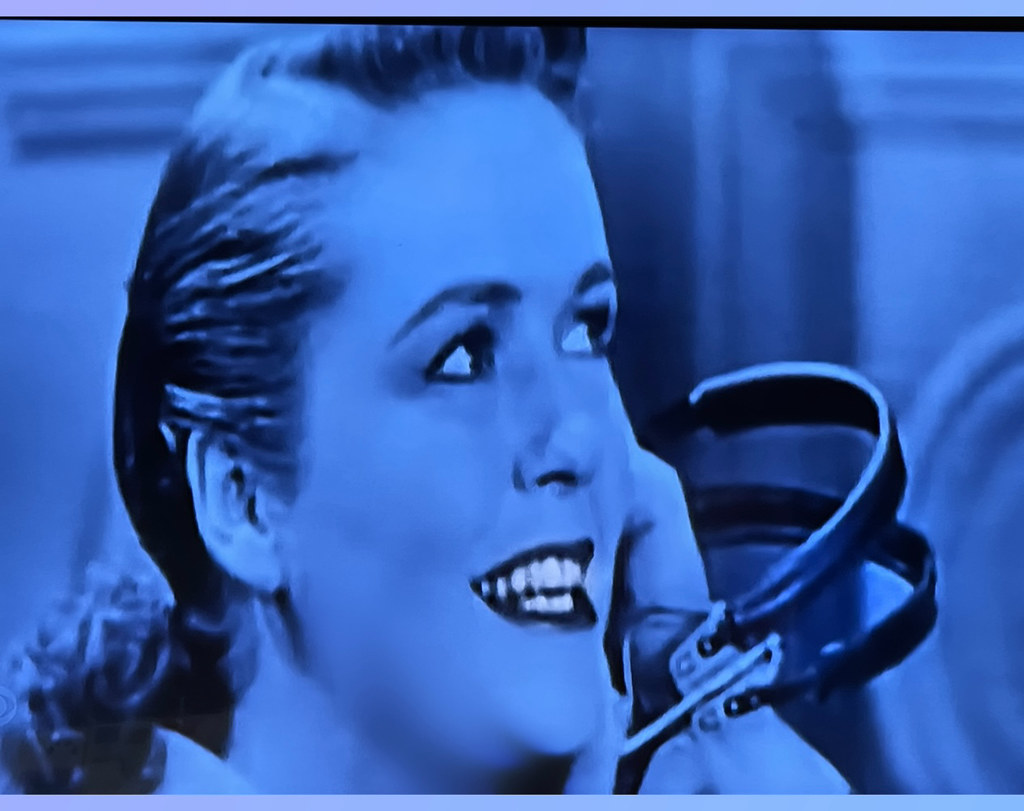
Welcome back to Guitardoor.com, where we celebrate the essential figures who shaped the very sound of the music we love. Today, we pay tribute to one of the most successful, talented, and historically important female musicians of the 20th century: the incredible Mary Ford. As the musical and marital partner of the legendary inventor and guitar wizard Les Paul, Mary Ford was the essential “other half” of their groundbreaking duo. She was not just a singer, but a gifted and highly skilled guitarist, a pioneer of vocal harmony, and the warm, melodic heart that transformed her husband’s technological marvels into timeless, beloved music.
The sound of Les Paul and Mary Ford was a complete revelation in the 1950s. It was a futuristic and magical soundscape built on Les’s pioneering inventions of multi-track recording and “sound on sound” layering. But while Les provided the dazzling, high-speed, and often sped-up guitar wizardry, it was Mary who gave the music its humanity. Her beautiful, clear, and perfectly pitched vocals were the main melody and the emotional core of their string of massive hits. She was also the duo’s primary rhythm guitarist, a highly accomplished player in her own right, laying down a rock-solid, swinging foundation that anchored Les’s wild improvisations. Furthermore, she was a true pioneer of vocal harmony, meticulously layering her own voice with perfect pitch to create the sound of a full, lush vocal group, a technique that would be a profound influence on future generations of studio innovators from Brian Wilson to Freddie Mercury.
While forever and understandably overshadowed by one of the most famous guitarists in history, Mary Ford was a superb musician whose contributions as a guitarist were essential to their sound. Her playing was a masterclass in clean, precise, and swinging rhythm, the perfect anchor for Les’s virtuosic and often frantic lead lines. She was the steady hand, the swinging foundation, and the musical bedrock of their partnership.
Her style was all about impeccable rhythm, built on the clean, articulate chord work of the big-band era and a perfect sense of time. As one half of the most famous Gibson-endorsing duo in history, her image is iconic. She famously played a variety of beautiful Gibson archtop guitars, like the L-5, and was one of the first and most prominent players of the very Gibson Les Paul model she and her husband helped make world-famous. Her tone was the epitome of the clean, high-fidelity sound of the era, a pure, unadorned, and articulate voice that allowed her flawless rhythm work to shine.
The music of Les Paul and Mary Ford is a joyful and jaw-dropping listening experience. To understand her crucial role in their sound, these classic tracks are a great starting point.
“How High the Moon”
This was their most famous and iconic hit, a stunning and futuristic showcase of their multi-tracked sound that mesmerized audiences in 1951. While Les Paul’s sped-up, “sound on sound” guitar licks are the main event, Mary’s contribution is twofold and essential. To approach her guitar part, the key is to play crisp, swinging jazz chords with perfect, metronomic time. It is a masterclass in being the unwavering anchor in a virtuosic storm. Her multi-tracked vocals, flying in and out of the arrangement, are the song’s melodic soul.
“The World Is Waiting for the Sunrise”
Another one of their biggest hits, this frantic, high-speed instrumental is a showcase of their incredible chemistry and Les’s unbelievable speed. Mary’s role here is a true test of a rhythm player’s endurance and precision. To play her part, one must master holding down a frantic, fast-paced rhythm with chords that change very quickly. The key is to use small, economical chord voicings and a tight, controlled strumming hand to keep up with the blistering tempo set by Les.
“Vaya con Dios”
A beautiful, slower ballad, this track became one of their biggest-selling records and is a true showcase for Mary’s incredible talent as a vocalist. The guitar’s role here is all about gentle, tasteful, and beautiful accompaniment. To approach the part, a guitarist should focus on using soft, arpeggiated chords—playing the notes of each chord one by one—to create a delicate, almost harp-like texture that sits perfectly underneath her lush, multi-layered vocal harmonies. It is a perfect lesson in subtlety and the art of supporting a great singer.
In the end, Mary Ford’s legacy is that of a true musical pioneer whose contributions have been unfairly overshadowed by the colossal legend of her partner. Without her impeccable musicianship, her perfect pitch, her warm and engaging presence, and her beautiful voice, Les Paul’s incredible inventions would have been mere technical curiosities. Mary Ford was the artist who turned his technology into timeless, joyful, and deeply human music, securing her place as one of the most important and successful female figures in the history of recorded sound.
Cover Photo Credit “Mary Ford In The Recording Studio” by Chic Bee is licensed under CC CC0 1.0