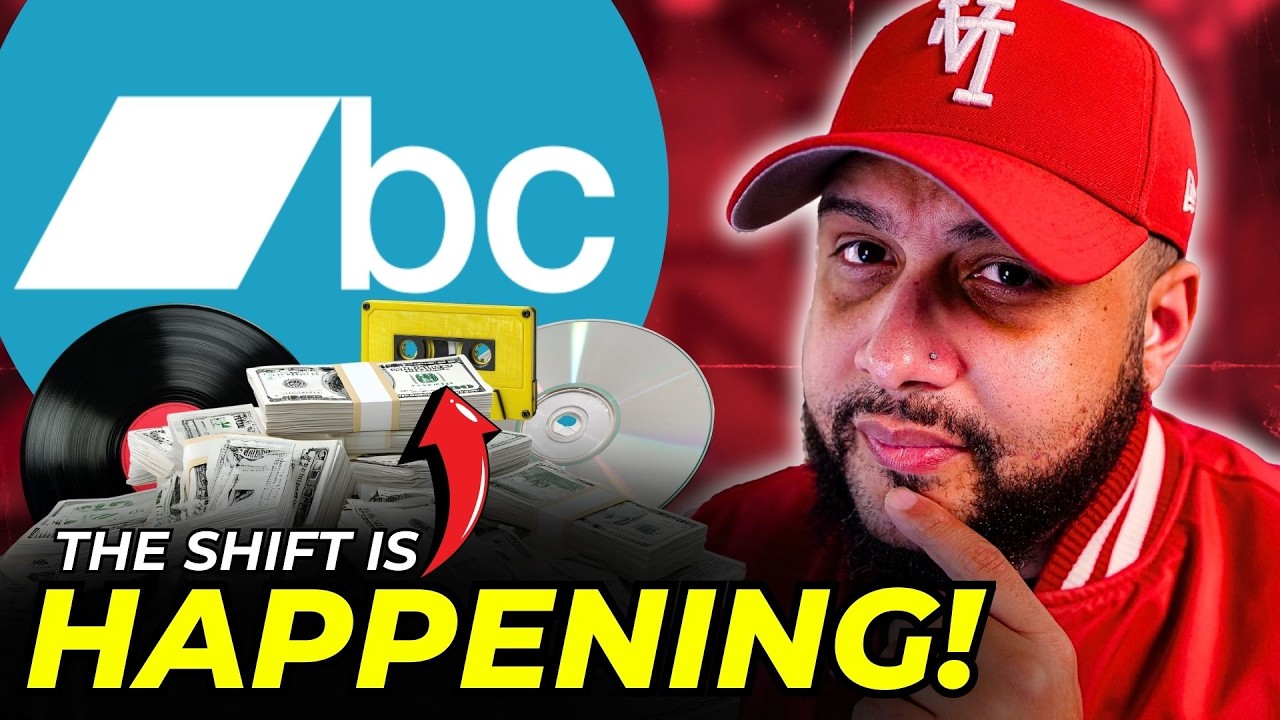
BANDCAMP VS. SPOTIFY WHERE SHOULD YOU UPLOAD MUSICin 2025
Every musician knows how important the internet is to their career. For starters, you can learn an instrument or take online voice classes. Additionally, you can follow industry trends and connect with your fans and other musicians. Most importantly, putting your songs online exposes you to listeners worldwide.
Gone are the days when artists begged large record labels to play their tracks. However, artists still struggle to choose the right platform to upload their songs. If you’re an artist or avid music listener, you’re not new to the Bandcamp vs Spotify debate. Although both sites have existed for a while and have loyal members, the Bandcamp vs Spotify discussion might not be ending any time soon. Here’s an in-depth look into the business models of these sites and their features for artists and listeners.
Exposure
Spotify exposes you to audiences all over the world. As of the third quarter of 2025 (Q3 2025), Spotify boasts over 713 million Monthly Active Users (MAUs) from more than 180 countries. This represents strong growth, increasing by over 70 million MAUs in just the last year. Additionally, the platform’s Premium subscriber base climbed to 281 million in Q3 2025, demonstrating sustained growth in its paying audience.
Similarly, Spotify now boasts a catalog of over 100 million tunes and approximately 5.5 million podcasts. According to recent web analytics (as of Q3 2025), Spotify’s website registered a massive 650 million visits over a six-month period. This is in comparison to Bandcamp’s consistent but smaller user base, recording approximately 45 million visits within the same timeframe.
Although Bandcamp’s overall traffic figures remain significantly lower than the streaming giant, their focus on physical media and direct artist support continues to drive impressive sales. For example, in 2024 alone, Bandcamp artists sold an estimated 850,000 CDs, 350,000 T-shirts, 400,000 cassettes, over 2.5 million individual songs, and approximately 7 million digital and 2 million vinyl albums. The good news is that you can effectively promote your music on both platforms to maximize your reach. The first crucial step remains customizing and optimizing your page on each platform.
You can get verified, update your bio, and add header images and concert calendars on Spotify. Likewise, you can utilize logos, artwork, and color schemes on Bandcamp. You can also upload album covers and write descriptions and proper credits.
Bandcamp vs Spotify Embeds
Bandcamp embeds offer more control to artists and labels over the presentation of their music on their own websites. Additionally, Bandcamp offers a more artist-friendly revenue split, allowing them to keep 80-85% of their sales. However, Spotify has a larger user base and offers more exposure to new listeners. Ultimately, the choice between the two platforms depends on the goals and priorities of the artist or label.
Spotify isn’t clear on how much musicians should expect per stream. Your earnings depend on your distribution contract, your listeners’ location, and whether or not they have premium accounts.
According to updated data compiled by industry analysts like The Trichordist, the average payout per stream to musicians has seen fluctuating, but generally low, rates. Historical averages showed a significant decline in the mid-2010s, with reported earnings of approximately $0.00521 in 2014, $0.00437 in 2016, and $0.00397 in 2017.
As of 2025, the average payout per stream across major platforms remains tightly clustered, generally ranging between $0.003 and $0.004. This figure represents the gross payment generated by a single stream, an amount that is subsequently split between multiple parties, including the streaming platform, record labels, publishers, and the artists themselves. The actual net earnings received by an independent artist are often closer to the lower end of this range.
Every month, Spotify calculates your total streams and pays the rights holder, distributor, and finally, the artist. Note that per-stream royalties apply to songs played for at least 30 seconds.
Conversely, most Bandcamp accounts use standard payment systems that separately process digital and physical purchases. Bandcamp pays you via PayPal within 24-48 hours when fans buy digital items. However, high-value purchases like tracks selling for $500 may require two weeks to review.
Bandcamp then collects 10-15% of your earnings together with processing fees. Bandcamp sends all the proceeds via PayPal for physical merchandise and recovers their 10% revenue share in future sales.
Some Bandcamp accounts also use enhanced payments. In addition to PayPal checkouts, enhanced payments support debit, credit, and Bandcamp gift card transactions.
Bandcamp also remits marketplace taxes for physical orders. Enhanced payment accounts receive money 24-48 hours after payment processing and on the first day of each month after revenue share and processing fee deductions.
Accessibility
Although both platforms are free for artists, Spotify has a greater barrier to entry.You need Digital Service Providers to upload your music on this site.DSPs share media such as music on the internet with streaming services like Spotify and Apple Music.
Although they offer exposure for your music and collect earnings on your behalf, DSPs also take a cut of your royalties.
Joining Bandcamp is easier. Bandcamp asks straightforward questions like your genre, location, and preferred URL for the artist page when you sign up. You might also need a unique identifier if another musician shares your name.
Though the default value for singles and albums is $1 and $7, respectively, you price your music as you please. The platform even guides you on pricing strategies. Alternatively, you can gift your fans unlimited plays and free access to your music.
Bandcamp and Spotify also differ in music discovery. Spotify uses your previous picks to recommend new artists. Moreover, its algorithm generates a playlist every Monday from your listening habits. You can also find new music on other users’ public playlists.
However, it’s harder to discover new artists on Bandcamp since the site is primarily curator-based and sticks to albums or other formats defined by the artist.
Bandcamp vs Spotify: Our Verdict is bandcamp better than spotify?
When it comes to Bandcamp vs Spotify and picking the best streaming platform we see that they are both popular music streaming platforms. While Spotify has a larger user base and offers a wider range of music, Bandcamp provides a more personalized and artist-friendly experience. Bandcamp allows artists to sell their music directly to fans, while Spotify pays artists based on the number of streams their songs receive. Additionally, Bandcamp offers higher quality audio files and more control over album pricing. Ultimately, whether Bandcamp or Spotify is better depends on the individual’s preferences and priorities.
No website is perfect. Your ideal platform should be popular among your fans and offer favorable terms. You can also consider opening your website for total control over the music.
Conclusion: Who Won the Bandcamp vs. Spotify Debate?
In 2025, the debate isn’t about one platform winning, but rather about which one serves a specific purpose—and the answer depends entirely on whether you are prioritizing reach or revenue/sustainability.
- 🏆 Spotify Wins on Reach: With over 713 million active users and massive algorithmic discovery power, Spotify remains the indispensable platform for global exposure, audience building, and becoming part of the mainstream music conversation.
- 💰 Bandcamp Wins on Artist Sustainability: Bandcamp is the clear winner for direct artist support and a fairer revenue model, ensuring a significant portion of the sale goes straight to the musician. It fosters a community of highly engaged, paying fans who want to own music and support creators directly.
The ultimate conclusion is that artists need to leverage both: use Spotify for discovery and visibility and drive dedicated fans to Bandcamp for meaningful financial support and ownership.
What are your thoughts? Did the massive growth of streaming giants or the recent changes at Bandcamp shift your perspective?
Let us know your thoughts in the comments and mention other music-sharing platforms you think are making a difference, such as our amazing radio playlist!