When you hear the music of Terry Kath, you are listening to the raw, unfiltered engine of early Chicago Transit Authority and a player often hailed as one of the most criminally underrated visionaries in rock history. Long before the band transitioned into the soft-rock ballad powerhouse of the 1980s, they were a fierce, experimental jazz-rock collective driven entirely by Kath’s explosive rhythm work, soulful vocal delivery, and fearless improvisational instincts. Even Jimi Hendrix famously remarked to Chicago’s saxophonist Walter Parazaider that Kath was outright better than he was a testament to a style that knew no technical boundaries.
For the modern guitar enthusiast, studying Kath’s catalog is an essential rite of passage that unlocks a deep understanding of multi-genre hybrid picking, advanced chord voicings, and pioneer-level audio feedback control. To truly appreciate his impact, you have to look past standard radio edits and explore the deep album cuts where his artistic freedom was left uncompromised. These eight essential tracks offer an immersive masterclass in his technique, historical gear setups, and enduring musical brilliance.
1. Introduction
Serving as the opening statement on Chicago’s landmark 1969 debut double album, this track is a staggering seven-minute testament to musical ambition. Terry Kath, who wrote the piece specifically to introduce the individual strengths of each band member, uses his guitar as a chameleon. He moves effortlessly from intricate, clean-toned jazz comping behind the horn section to heavy, proto-metal rhythm stabs that anchor the groove.
The true climax for guitarists arrives during the extended lead section. Armed with his early-career Gibson SG, Kath coaxes a biting, overdriven tone that cuts straight through the dense wall of brass instruments. His note selection relies heavily on the dorian mode mixed with classic blues scale inflections, demonstrating an advanced grasp of fretboard harmony that most self-taught rock guitarists of the late 1960s simply did not possess. It remains a definitive guide on how to balance solo space within a massive seven-piece arrangement.
2. 25 or 6 to 4
While this track stands as one of Chicago’s most recognisable commercial triumphs, the legendary center-stage guitar solo is what permanently elevated it into the rock pantheon. Built over a driving, descending minor chord progression, the song provides the ultimate canvas for Kath’s aggressive right-hand picking attack. It is an masterclass in building musical tension over an extended period, starting with melodic phrasing before spiralling into a frantic, high-energy climax.
From a technical standpoint, this performance is a definitive showcase for the expressive capabilities of the wah-wah pedal. Kath does not just rock the pedal mindlessly to the beat; he uses it to sweep his frequencies deliberately, highlighting specific bends and adding a vocal-like cry to his sustained notes. He combined his Mac-modified guitars with a roaring acoustic amplifier head to achieve a thick, mid-range-heavy distortion that kept his fastest alternate-picked lines perfectly articulate and free from muddy frequency buildup.
3. Poem 58
A sprawling, experimental masterpiece, this deep cut is divided into a massive improvisational movement that essentially functions as an unhindered solo showcase. The intro features Kath manipulating his volume and tone knobs to create eerie, ambient swells before dropping a gargantuan, fuzz-drenched rhythm riff that predated the heavy British metal movement. It shows just how comfortable Kath was when leading a power trio format within a larger ensemble.
What makes this track essential for serious students of the instrument is Kath’s fluid use of double-stops and rapid-fire pentatonic clusters. He constantly shifts the rhythmic placement of his phrases, playing across the bar lines to keep the listener on edge. His technical fearlessness is on full display here as he pushes his amplifier to the absolute brink of total harmonic feedback, catching the roaring notes and taming them back into the main blues melody seamlessly.
4. South California Purples
On this gritty, slow-burning blues track, Kath pays direct homage to his roots-based influences while updating the genre with a heavy modern edge. The song is built around a chugging, syncopated bass-and-guitar unison riff that establishes an intoxicating, swampy atmosphere. It is the perfect demonstration of how a master player can utilize space and timing to create a massive sonic footprint without playing a million notes a second.
When the solo section hits, Kath explores a variety of texture changes by altering his picking location. By moving his pick closer to the bridge saddles, he coaxes a sharp, biting tone that mimics the early electric blues pioneers, before instantly rolling back to the neck pickup for a fat, horn-like sustain. His phrasing here relies heavily on classic minor-to-major third variations, making it a stellar study for anyone looking to add authentic emotional depth to their blues-rock vocabulary.
5. A Song for Richard and His Friends
Culled from Chicago’s historic live archives, this performance stands as one of the most intense, politically raw guitar moments of the late Vietnam War era. Kath channels the volatile social frustrations of the period directly into his fretboard, using dissonance, screeching overtones, and aggressive pitch bends to match the explicit message of the song. It is a vital example of how music can serve as a direct vehicle for emotional and cultural commentary.
From a performance perspective, Kath demonstrates an uncanny command over his instrument’s physical properties. He utilizes aggressive left-hand finger vibrato that shifts the pitch far wider than standard blues boxes, creating a tense soundscape that feels like it could fly off the tracks at any second. This live recording captures his raw, unpolished stage tone, highlighting his reliance on pure finger dynamics rather than studio post-processing tricks.
6. Oh, Thank You Great Spirit
Written as a profound personal tribute to Jimi Hendrix following his untimely passing, this track is a masterclass in atmospheric ballad playing. The slow, ambient tempo gives Kath the breathing room to showcase his pristine clean tone and subtle chord-melody choices. He pays homage to Hendrix’s signature fluid rhythm-style, seamlessly weaving beautiful, cascading embellishments and double-stops around his vocal lines.
When the song shifts into the overdriven solo section, it acts as an emotional release valve. Kath avoids copying Hendrix’s licks directly, choosing instead to channel his spiritual energy through long, weeping sustained notes and slow, deliberate bends that trace the melancholy melody. This piece stands as a definitive reminder that exceptional musicianship is defined by what you choose *not* to play, using silence and decay as powerful tools for genuine artistic expression.
7. An Hour in the Shower
This brilliant, multi-movement suite from Chicago’s third album remains one of the most overlooked gems in their extensive discography. Functioning as a conceptual daily-life narrative, the piece allows Kath to flex his immense acoustic and electric rhythmic diversity across several distinct mini-movements. It shows that he was just as compelling when steering an acoustic folk-rock arrangement as he was when leading a heavy stadium jam.
Throughout the suite, Kath relies heavily on crisp, syncopated acoustic strumming patterns that feature subtle bass-note runs woven directly into the strumming motion. When he transitions to electric fills, they are remarkably economical, popping up in the spaces between vocal phrases to add harmonic color without ever cluttering the mix. For guitarists looking to improve their accompaniment skills and arrangement intelligence, this suite offers a blueprint on how to serve the song above all else.
8. Sing a Mean Tune Kid
This high-energy track displays Terry Kath at his most adventurous, capturing his seamless crossover into the emerging funk-rock fusion movement of the early 1970s. Driven by a syncopated, popping bassline, Kath lays down a mattress of scratching, rhythmic 16th-note chucking patterns that would make Jimmy Nolen proud. His right-hand wrist flexibility is nothing short of jaw-dropping here, maintaining a relentless groove without stiffening up.
When he breaks out into the extended lead section, he combines his lightning-fast alternate picking speed with aggressive wah-wah filtering. Rather than staying inside comfortable pentatonic boxes, Kath darts across the fretboard using wide interval skips and unexpected modal changes that perfectly match the brass arrangement’s frantic pacing. It is a stunning display of pure technical fearlessness that completely defies the traditional conventions of standard classic rock guitar.
The Enduring Legacy of Chicago’s Fretboard Pioneer
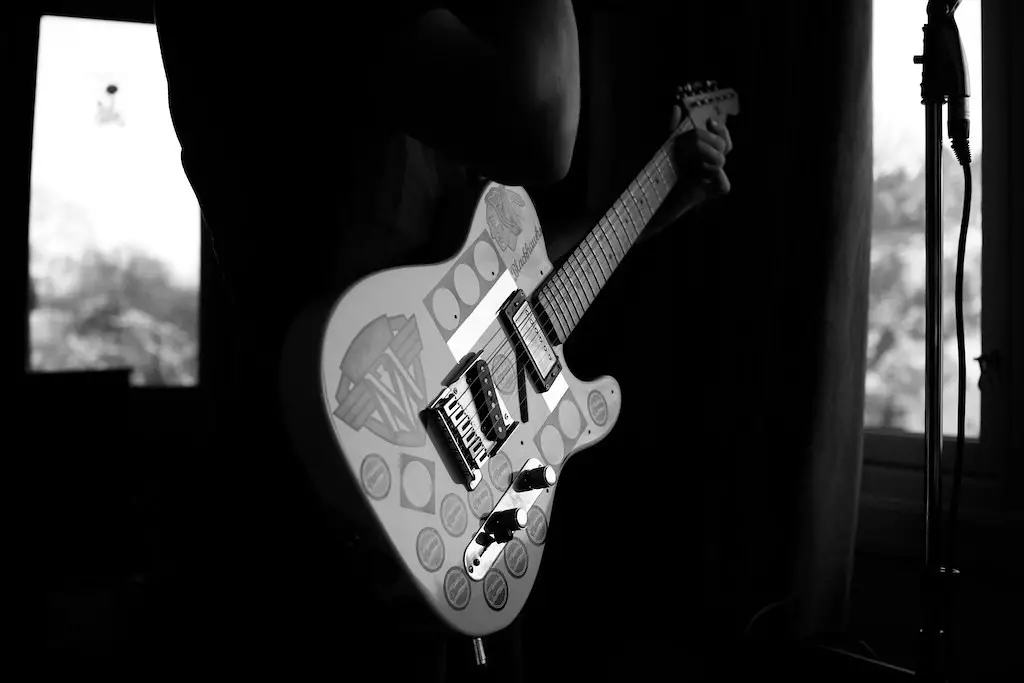
Terry Kath’s tragic and premature death in 1978 cut short one of the most brilliant musical trajectories in modern American music, leaving behind a legacy that is too often eclipsed by the pop-oriented era of Chicago that followed. Yet, for purists, historians, and working guitarists, his body of work remains an essential milestone of guitar innovation. His ability to distill complex jazz theories, gut-level blues phrasing, and pioneering heavy rock tones into a cohesive, distinct voice is a feat few players have ever replicated.
By studying these eight essential tracks, you get more than a simple retrospective look at a classic era; you receive an intimate masterclass in what it means to completely master the electric guitar. Kath proved that the instrument has no stylistic boundaries if you approach the fretboard with absolute technical dedication and complete emotional honesty. Whether you are analyzing his alternate picking boundaries or simply immersing yourself in his legendary tones, Terry Kath stands as an absolute pillar of guitar history that will never be forgotten.