The blues is more than a musical genre; it is a foundational language of modern emotion. While the voice is its primary vessel, the guitar became its second soul—an instrument capable of weeping, shouting, and testifying alongside the singer.
The following list explores the titans who defined the sound, pushed the boundaries of the instrument, and influenced every generation of musicians that followed.
1. The Acoustic Architect: Robert Johnson
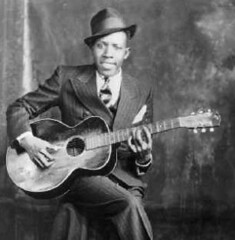
Often surrounded by the myth of a Faustian deal at a Mississippi crossroads, Robert Johnson is the undisputed cornerstone of recorded blues guitar. Though his recorded output was minuscule—just 29 songs captured in the late 1930s—his impact is immeasurable. Johnson mastered the Delta blues acoustic style, utilizing complex fingerpicking techniques where his thumb held down a driving bassline while his fingers picked out intricate melodies and slide parts simultaneously. He provided the blueprint for the genre, and his haunting rhythms on tracks like “Cross Road Blues” remain essential study material for any guitarist.
2. The Electric Pioneer: T-Bone Walker
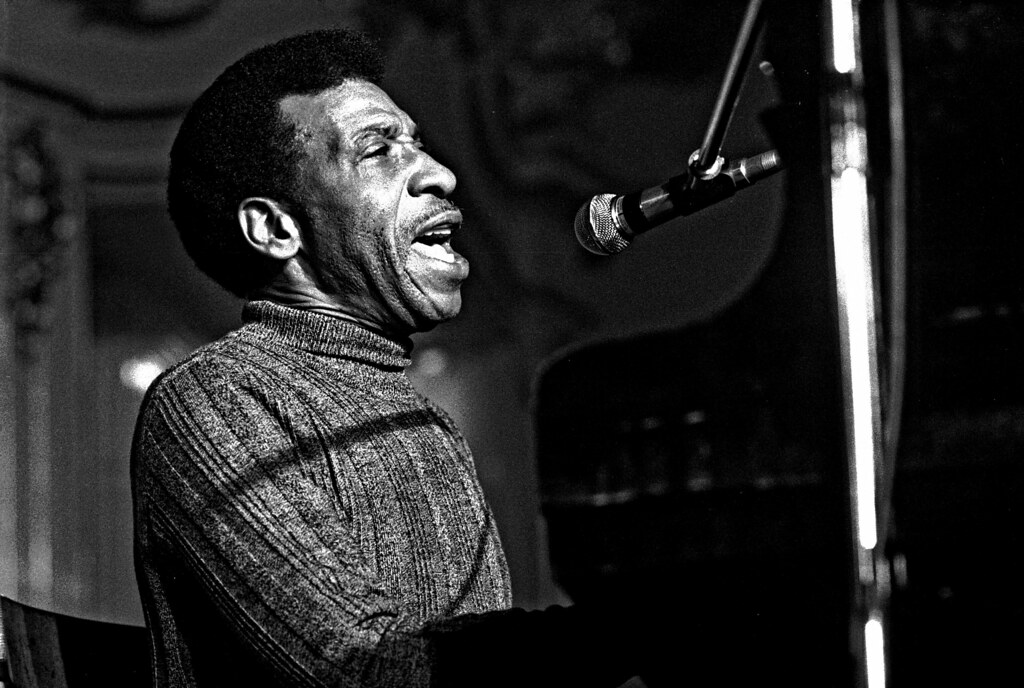
If Robert Johnson was the acoustic root, T-Bone Walker was the electric blossom. As one of the first pioneers of the electric guitar in the 1940s, Walker fundamentally changed how the instrument was used in a band. Moving away from rhythmic chord strumming, he introduced fluid, single-note lead lines infused with sophisticated jazz phrasing. His seminal recording, “Call It Stormy Monday,” showcased a polished, urbane style that influenced virtually every electric bluesman who followed, establishing the electric guitar as a lead voice equal to the saxophone.
3. The Father of Chicago Blues: Muddy Waters
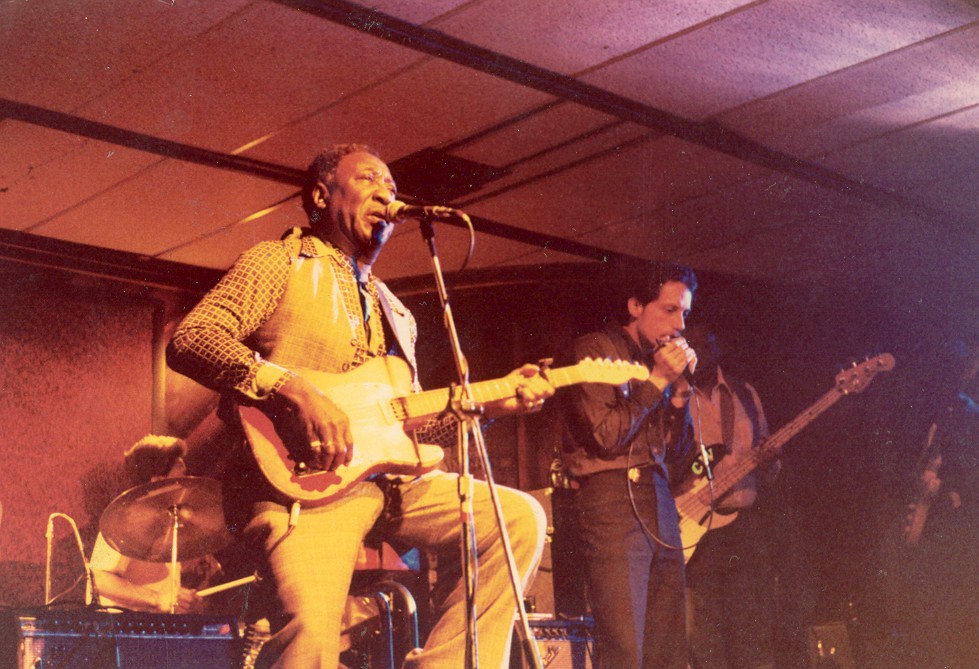
Muddy Waters took the raw, acoustic slide techniques of the Mississippi Delta and plugged them into an amplifier, creating a heavy, electrified sound designed to cut through the noise of South Side Chicago taverns. Characterized by a ferocious, stinging slide technique—often played on a Fender Telecaster in open tunings Muddy Waters style provided a menacing counterpoint to his powerful voice. Waters wasn’t just a guitarist; he was a bandleader who codified the ensemble sound (drums, bass, piano, and harmonica) that defines the genre today.
4. The King of Slide: Elmore James
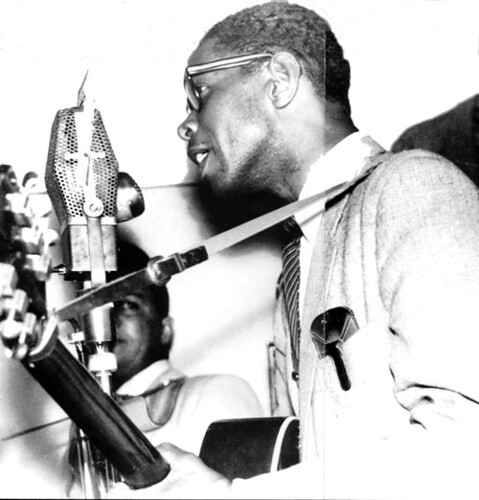
Known for a sound that was instantly recognizable for its raw intensity, Elmore James took Robert Johnson’s riffs and amplified them into a roaring signature sound. He played with an aggressive attack, his slide work screaming over driving shuffle beats with a frantic energy that laid the groundwork for blues-rock. His tone was heavier and “dirtier” than his contemporaries, a sonic brutality that later captivated rock players like Brian Jones and Duane Allman.
5. The Ambassador: B.B. King
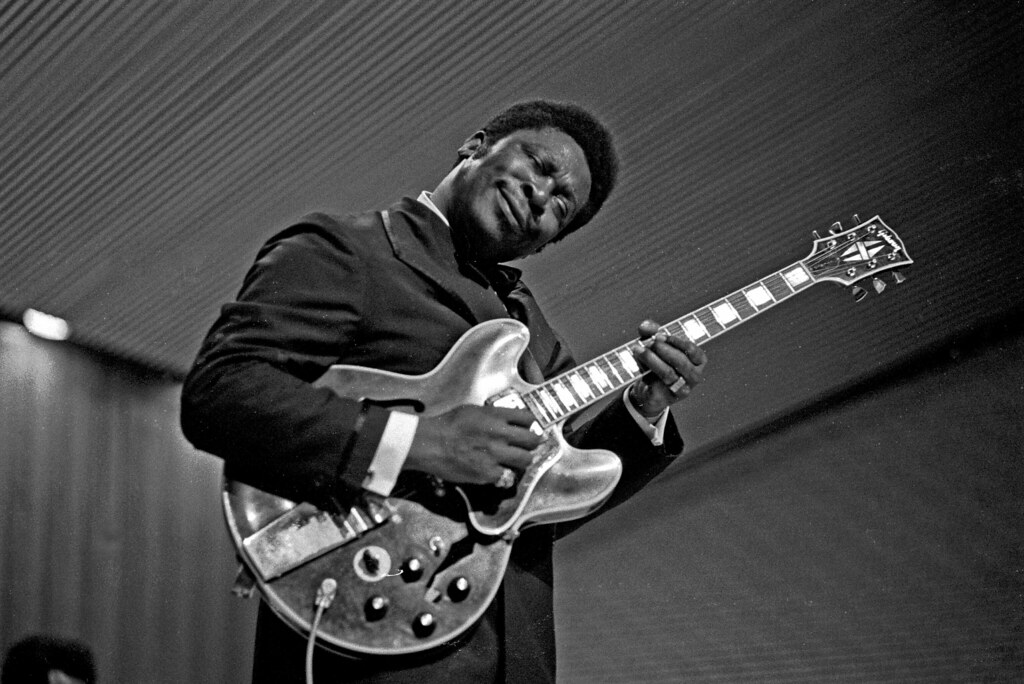
B.B. King is perhaps the most famous bluesman in history. His style was the epitome of “less is more.” King rarely played chords; instead, he made his guitar, “Lucille,” sing with a vocal-like quality. He pioneered a unique, stinging butterfly vibrato and mastered the art of string bending to hit microtones that mimicked the human cry. King’s phrasing was impeccable, delivering melodic narratives rather than mere displays of speed, defining the sophisticated “uptown” blues sound.
6. The Velvet Bulldozer: Albert King
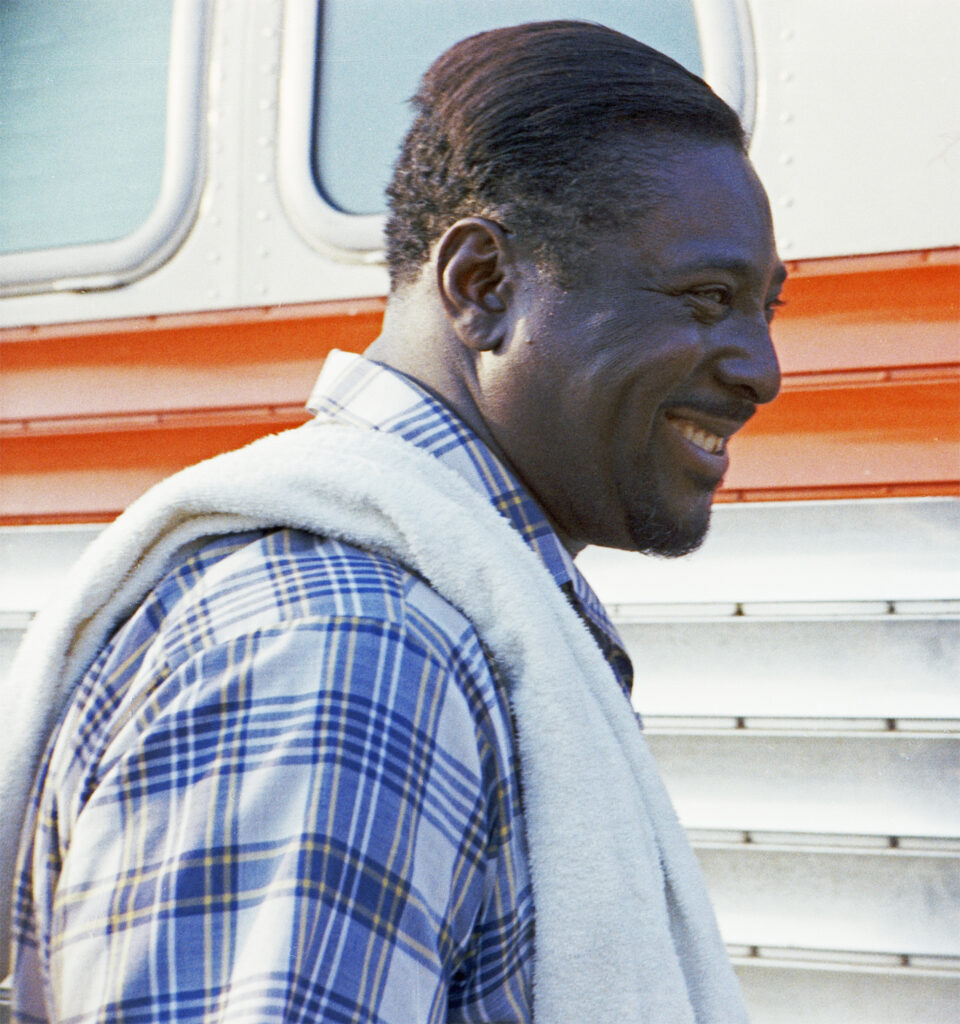
A left-handed player who played a right-handed Gibson Flying V flipped upside down (without reversing the strings), Albert King developed an unorthodox and wildly influential style. Because he was pulling the high strings down rather than pushing them up, he achieved massive, multi-step bends that screamed with unique tension. His tone was dry and biting, relying on deep grooves and piercing leads that became the primary influence for later legends like Stevie Ray Vaughan.
7. The Texas Cannonball: Freddie King
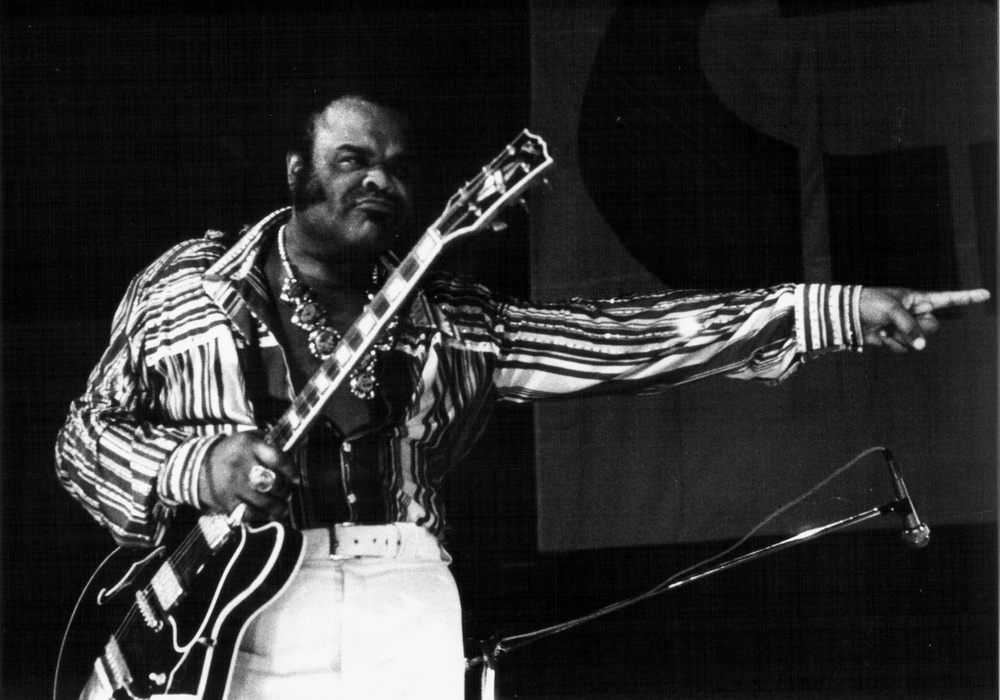
The youngest of the “Three Kings,” Freddie King was a powerhouse who bridged Texas blues with Chicago intensity. He was distinct for using plastic thumb and metal index-finger picks, allowing for a sharp, stinging attack. King was a master of instrumental hooks—his hit “Hide Away” is a blues standard—and his style was characterized by high-energy, rapid-fire licks interspersed with melodic phrasing that heavily inspired the British blues explosion of the 1960s.
8. The Boogie Master: John Lee Hooker
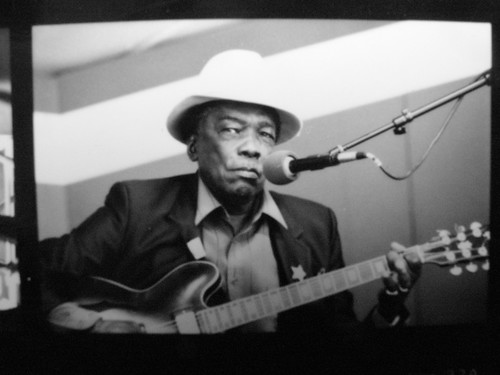
John Lee Hooker didn’t just play the blues; he conjured a hypnotic trance. His style relied on a primal, one-chord “boogie” groove rather than the structured twelve-bar progression. Hooker’s guitar work was deeply rhythmic, characterized by a driving, foot-stomping beat and a droning, open-tuned sound. It was raw, funky, and utterly unique—a sound that felt ancient and modern simultaneously, cementing him as the master of the endless groove.
9. The Wild Card: Buddy Guy
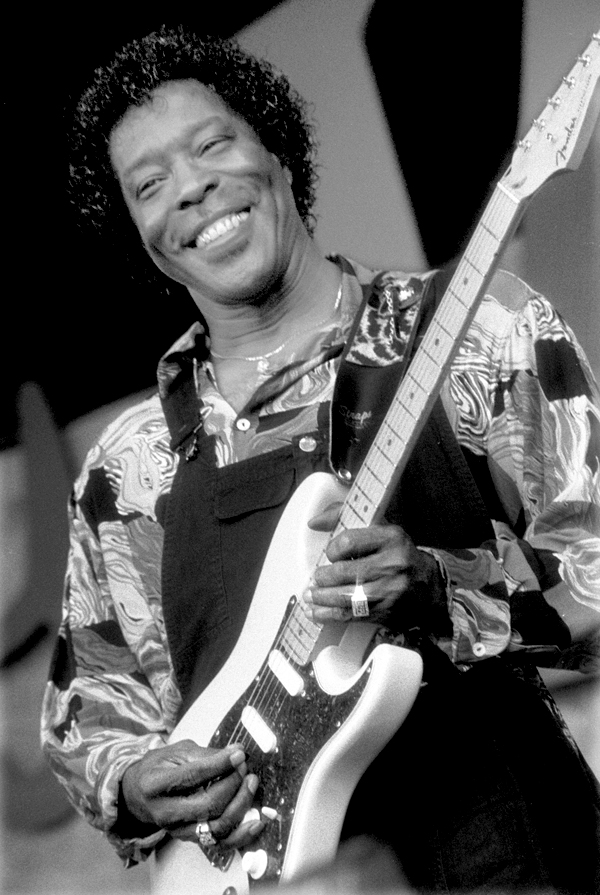
Buddy Guy is the vital bridge between classic Chicago blues and high-voltage blues-rock. Starting as a session player at Chess Records, his live performances became legendary for their wild, unpredictable intensity. Guy’s playing is characterized by extreme dynamics—whisper-quiet passages exploding into sudden, distorted shrieks. As a direct influence on Jimi Hendrix, his aggressive, envelope-pushing style brought a sense of showmanship and feedback to the blues.
10. The Revivalist: Stevie Ray Vaughan
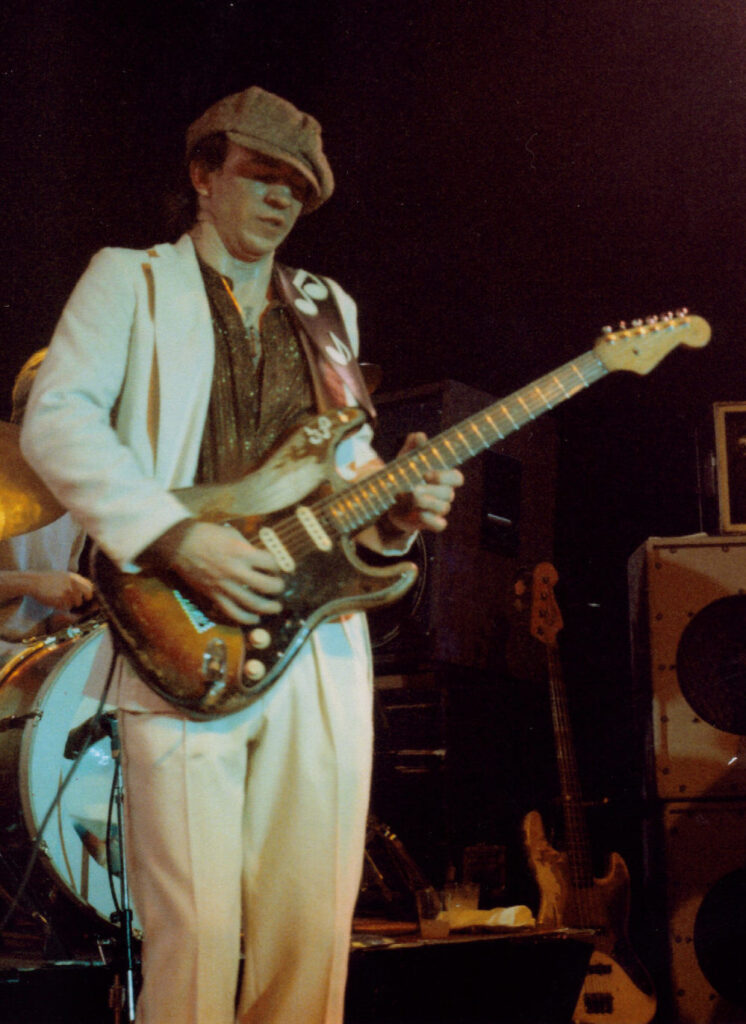
In the 1980s, Stevie Ray Vaughan revitalized the entire genre. SRV was a dazzling technician who synthesized the styles of his heroes—Albert King’s bends and Jimi Hendrix’s fire—into a ferocious, high-octane sound. Playing with incredibly thick strings and a “Number One” Stratocaster tuned down a half-step, Vaughan played with a physical intensity that brought blues guitar back to mainstream radio and inspired a new generation of players.
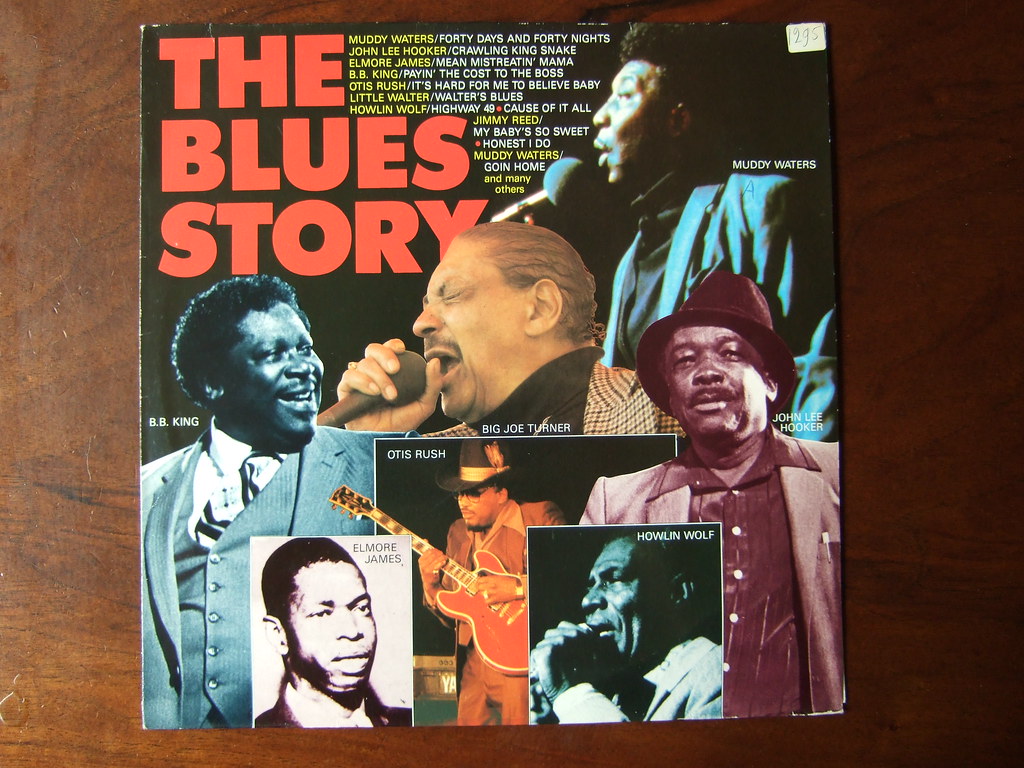
Cover Photo Credit “The Blues Story – Muddy Waters, John Lee Hooker, Elmore James, B.B.King, Otis Rush, Little Walter, Howlin Wolf, Jimmy Reed, Big Joe Turner, Memphis Slim” by Piano Piano! is licensed under CC BY 2.0