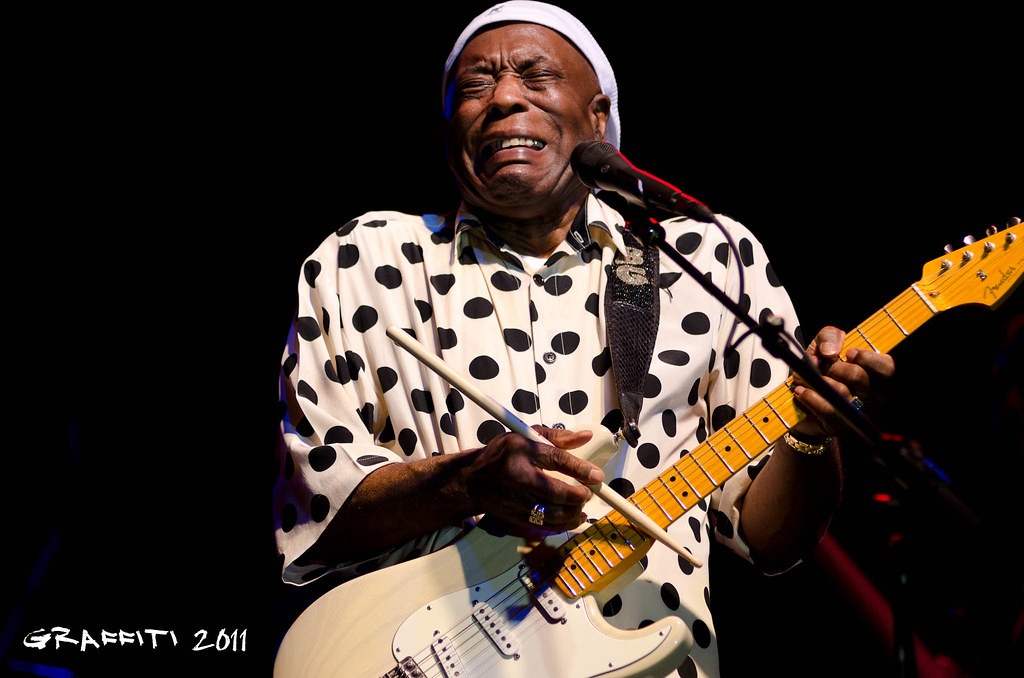
The world of blues music has been shaped by many talented artists, but few have left as indelible a mark as Buddy Guy. Known for his exceptional guitar skills and emotive vocal performances, Buddy Guy is a living legend whose influence stretches far and wide in the music industry. As an innovative electric blues guitarist, his ability to blend traditional blues with a more modern, aggressive sound has not only preserved the genre’s roots but also expanded its reach to rock audiences. This article explores the life, music, and enduring impact of this iconic guitarist and singer on music history, delving into how his unique style and personal journey have molded the modern guitar landscape.
Early Life and Introduction to the Blues
The iconic guy was born on July 30, 1936, in Lettsworth, Louisiana, growing up in a family that deeply appreciated music. His journey into the world of blues began with a homemade two-string instrument, sparking a lifelong passion for strings and fretboards. The rustic environment of his upbringing, surrounded by the acoustic sounds of the Southern delta, laid the foundation for his future musical endeavors. From a young age, the budding blues guitarist was captivated by the emotional depth and storytelling inherent in the genre—elements that would later define his own artistic expression.
From Louisiana to Chicago: A Musical Journey
Buddy’s early exposure to the blues came from listening to records of Muddy Waters, Lightnin’ Slim, and John Lee Hooker. These blues legends provided him with a sonic blueprint, inspiring him to pursue his own path in electric music.
In the 1950s, he packed up and moved to Chicago, the epicenter of electric blues music at the time, to pursue his dreams. The vibrant Chicago blues scene was a melting pot of innovation and tradition. It was here that Buddy encountered legendary blues musicians and began crafting his unique, high-voltage sound. The bustling clubs of Chicago offered the young guitarist opportunities to perform and refine his craft, allowing him to experiment with his wild guitar style and establish his permanent presence in the competitive music community.
Buddy Guy’s Signature Sound
Buddy Guy’s style is a fiery blend of traditional structures with a highly volatile, modern twist. His guitar playing is renowned for its powerful, raw emotion and technical prowess. His ability to blend different techniques—such as extreme string bending, heavy finger vibrato, and intentional amplifier feedback—set him apart from his 1960s contemporaries and permanently influenced generations of rock guitarists. This dynamic approach allows him to convey a wide range of emotions, completely captivating live audiences with every single note.
Influential Albums and Songs
Buddy Guy has released numerous albums over his decades-long career, each contributing to his legacy as a definitive blues legend. His discography is a testament to his versatility and ability to evolve while staying true to his roots. Some of his most influential works stand out as historic pillars:
“A Man and the Blues” (1968)
This album showcases Buddy’s immense versatility as a musician, blending electric blues with deep soul influences. The album remains a landmark in blues history, illustrating his ability to seamlessly integrate different musical styles. The track from the album we have chosen to showcase here is Buddy Guy playing “I Can’t Quit the Blues”—a title he really meant, considering he is still playing the blues nearly 60 years after putting this session on tape.
“Damn Right, I’ve Got the Blues” (1991)
Twenty-three years after launching A Man and the Blues, he released the explosive 1991 album Damn Right, I’ve Got the Blues, and we are featuring the title track right here. Widely considered one of the greatest comeback albums in guitar history, it brought Buddy Guy screaming back into the mainstream spotlight and earned him a well-deserved Grammy Award. This album reintroduced his fiery strat style to a new generation of rock and blues fans, solidifying his international icon status.
“Living Proof” (2010)
A spectacular later album where he played alongside Carlos Santana on the showcased track here: Santana and Buddy Guy “Where the Blues Begins”. For Buddy, it acts as a deeply autobiographical album reflecting on his long life and career, showcasing his late-stage evolution as an artist. The album’s introspective nature offers listeners a clear glimpse into his personal and musical journey.
Notable Buddy Guy Songs
His discography is filled with songs that have become absolute staples in blues music history. His ability to craft songs that resonate emotionally with listeners is a hallmark of his artistic output.
“Stone Crazy” is known worldwide for its intense, unhinged guitar solos and passionate vocal lyrics. This song perfectly exemplifies Buddy’s ability to convey deep, agonizing emotion through his instrument.
“First Time I Met the Blues” stands as a classic track that introduces listeners to the raw, completely authentic early sound of his signature style.
“Feels Like Rain” functions as a soulful ballad that highlights Buddy’s incredibly emotive vocal delivery alongside his masterful, restrained guitar work.
Buddy Guy’s Influence on Blues and Beyond
Impact on Blues Music History
Buddy Guy’s contributions to blues music cannot be overstated. His innovative, aggressive approach to electric guitar playing and his theatrical live performances have influenced countless musicians. He single-handedly helped bridge the gap between traditional acoustic blues and modern electric rock, paving the way for the British invasion and future generations of artists. By pushing the volume and distortion boundaries of the genre, he ensured that the blues remained a dynamic, evolving art form.
Influence on Rock and Guitar Musicians
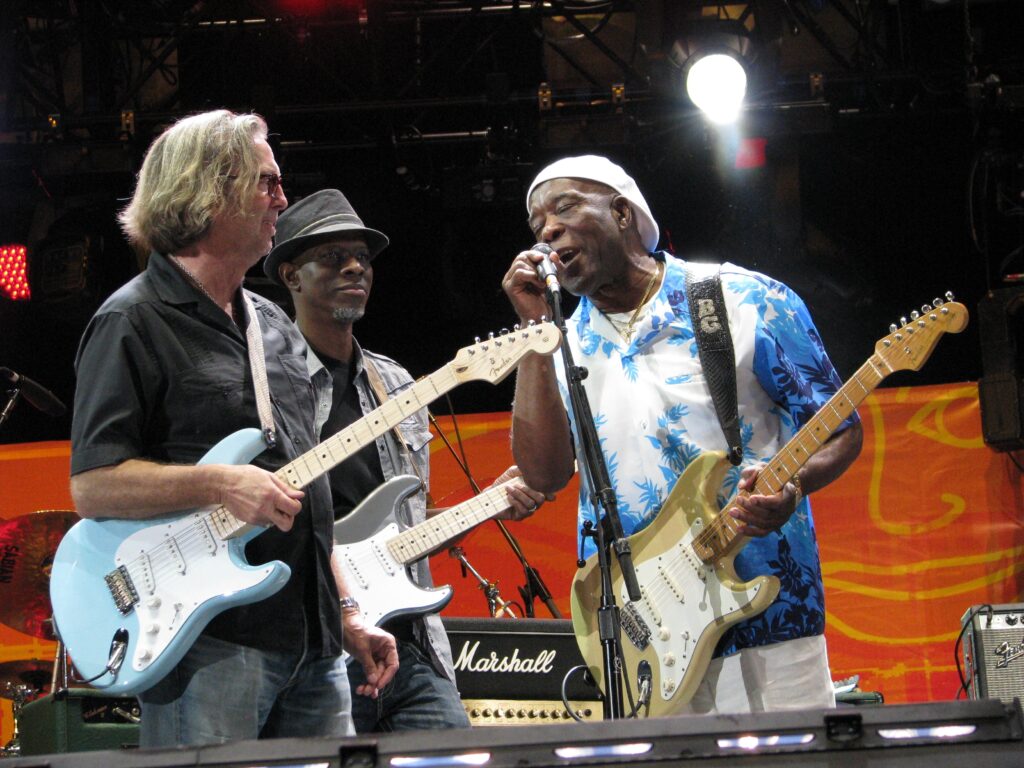
Buddy Guy’s influence extends far beyond the traditional realm of the blues. Legendary British rock innovator jeff beck frequently praised his unpredictable style, and guitar titans like Jimi Hendrix, Eric Clapton, and Stevie Ray Vaughan openly cited Buddy Guy as their ultimate musical inspiration. These legendary rock musicians acknowledged his massive impact on their own musical development, frequently crediting him with shaping their entire approach to lead guitar playing. The cross-genre reach of his style highlights the universal appeal of his musicianship.
Awards and Global Recognition
Throughout his illustrious career, the veteran blues guitarist has received the highest honors the industry has to offer. He achieved ultimate rock recognition with his induction into the Rock and Roll Hall of fame in 2005, alongside winning multiple Grammy Awards. His massive cultural contributions have also been recognized with the National Medal of Arts and the Kennedy Center Honors, cementing his status as a true American musical treasure.
Buddy Guy Today and Legends
Even well into his eighties, Buddy Guy continues to perform and inspire audiences around the world. When he isn’t out on the road on tour, his presence is still heavily felt in the Chicago music scene through his world-famous club, buddy guy’s legends. The venue serves as a temple for live blues, acting as a crucial spot where established acts and young guitarists can showcase their talents. By fostering the next generation of players at his club, he ensures that the genre’s rich history and raw cultural significance will endure for decades to come.
Buddy Guy’s Legacy
Now reaching 89 years old and still inspiring musicians of all generations, Buddy Guy’s legacy is one of pure passion, relentless sonic innovation, and unwavering dedication to the craft. His signature footprint can be heard in the music of countless artists across multiple genres, and his specific contributions to the evolution of the electric guitar will forever be remembered as pivotal.
Conclusion
Buddy Guy’s impact on the world of modern music is truly immeasurable. His innovative guitar setups, emotive vocal delivery, and absolute dedication to the blues have solidified his place as a true titan of the instrument. As new generations of guitarists continue to discover and be inspired by his work, his influence will undoubtedly endure, ensuring that the blues remains a vibrant, vital, and screaming part of our global guitar heritage.