
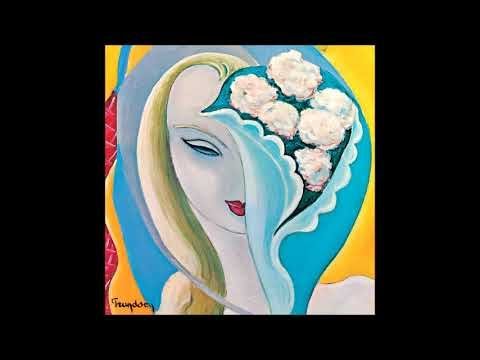
The sound of two legends colliding.
Few guitar solos are instantly recognizable; fewer still manage to capture such raw, desperate, and passionate emotion. The sound of the “Layla” riff and its subsequent climax isn’t just a moment in rock history—it’s the documented sonic proof of a chemical reaction between two of the greatest guitarists to ever walk onto a stage: Eric Clapton and Duane Allman.
In 1970, Eric Clapton, emotionally drained after the collapse of Cream and Blind Faith and wrestling with deep personal turmoil, formed the short-lived but intense band, Derek and the Dominos. He was searching for a new sound, a new intensity. He found it in a chance encounter with the brilliant, slide-wielding genius, Duane Allman, leader of The Allman Brothers Band.
The resulting Layla and Other Assorted Love Songs album is a masterpiece of raw honesty, and its centerpiece—the title track—owes its enduring power to the brief, explosive partnership between these two giants.
II. The Meeting of Giants: Nashville 1970
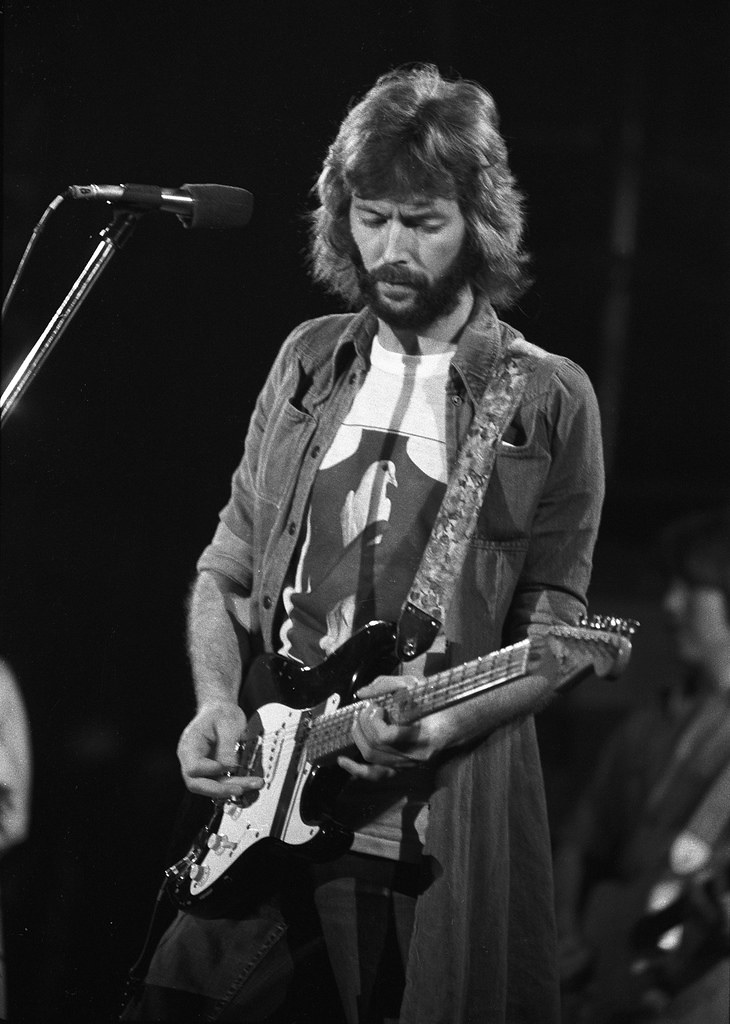
The pivotal moment of this collaboration occurred while Clapton and the Dominos were recording at Criteria Studios in Miami. Duane Allman, recording nearby, popped in after Clapton heard his stunning work on a version of Wilson Pickett’s “Hey Jude.”
The musical and personal chemistry was immediate and electric. Clapton found in Allman a spontaneous muse and a kindred blues spirit. Over the next few days, Allman virtually joined the Dominos, contributing to several tracks, but none more famously than “Layla.”
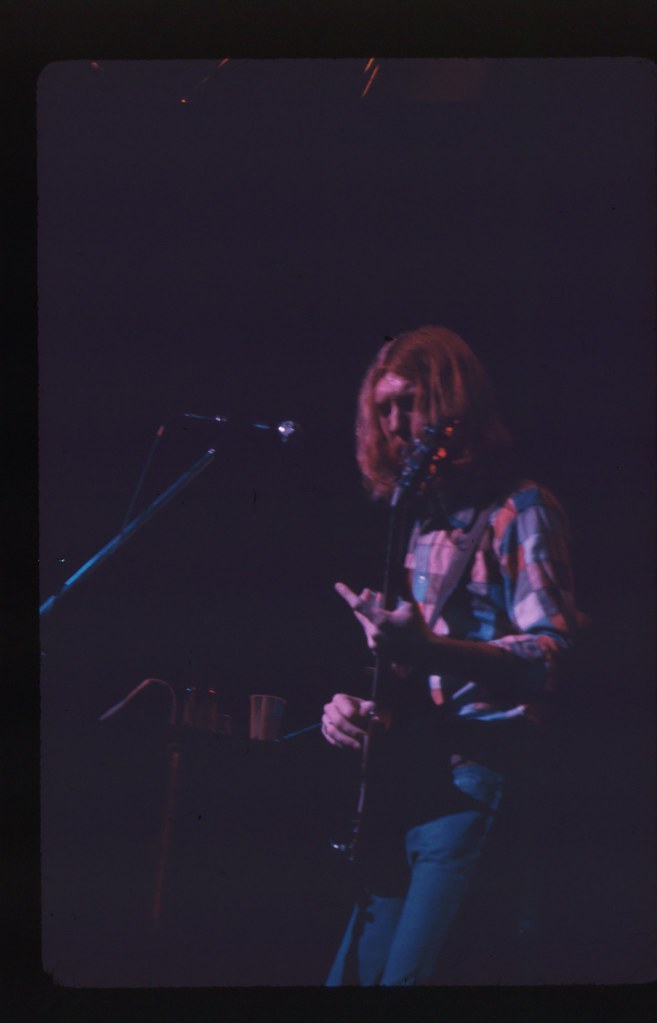
Duane Allman’s signature contribution was his revolutionary approach to slide guitar. While Clapton was a phenomenal blues player, Allman’s slide technique was fluid, mournful, and absolutely unlike anything else in rock. It provided the missing textural element—the wailing, vocal counterpoint that Clapton’s emotionally charged songs demanded.
III. Anatomy of a Masterpiece: The “Layla” Track
To truly appreciate the “Layla” duet, you must break the song into its two distinct parts, where the two guitarists take on different roles:
Part 1: The Driving Rock Anthem
This is the famous, aggressive section driven by the main riff. While Clapton handled the core vocals and rhythm, Allman’s slide work became a foundational element of the sound.
Clapton’s Role: Driving rhythm and the main vocal counter-licks. His tone is thick, raw, and desperate.
Allman’s Role: He plays the defining slide guitar line that weaves around Clapton’s vocal phrases. Instead of waiting for a solo spot, Allman’s slide is the lead instrument throughout the verses, responding and questioning Clapton’s singing, building incredible urgency.
Part 2: The Defining Solo (The Piano Coda)
The transition to the beautiful, melancholic outro—originally written by drummer Jim Gordon—is where Allman delivers his most revered performance.
The Ultimate Release: After the aggressive main section fades, the song moves into a gentle piano-based coda (starting around [04:36] in the video below). It is over this tender backdrop that Duane Allman unleashes a majestic, soaring slide solo.
The Tone: This solo is less about speed and more about texture and feeling. It provides the ultimate, soulful climax, sounding like a voice crying out in the darkness. This extended sequence, played with sublime control and impeccable phrasing, is widely considered one of the greatest slide guitar solos ever recorded, providing the emotional release the entire seven-minute track needed.
IV. Conclusion: The Legacy of a Brief Spark
This collaboration was one of rock’s greatest lightning-in-a-bottle moments. Allman only contributed his genius to five tracks on the album, but that short time elevated Layla and Other Assorted Love Songs from a great rock album to a timeless masterpiece.
Tragically, this explosive musical partnership was destined to be short-lived. Just over a year after the recording sessions, Duane Allman was killed in a motorcycle accident. The recording is therefore not just a rock performance, but a precious, powerful document of two giants at their absolute peak.
Your Homework:
Listen to “Layla” again, but this time, specifically follow the interplay. Try to distinguish Clapton’s lead/rhythm work (more standard bending and vibrato) from Allman’s unmistakable, wailing slide guitar. The conversation they have is the very heart of the blues translated into rock and roll.