
Released in June 1999 as the sixth single from their landmark seventh studio album Californication, “Otherside” by the Red Hot Chili Peppers stands as one of the definitive alternative rock anthems of the late 1990s. Written by Anthony Kiedis, John Frusciante, Flea, and Chad Smith, the track delves into the harrowing, visceral reality of addiction, recovery, and the painful loss of former bandmate Hillel Slovak. Driven by John Frusciante’s haunting, interlocking melodic guitar lines—which weave a stark contrast against Flea’s driving melodic bass and Chad Smith’s rock-solid groove. “Otherside” balances dark lyrical themes with an soaring, unforgettable melodic chorus.
Beyond its haunting atmosphere and emotional depth, “Otherside” is an essential track to learn on guitar because it trains your ability to lock tight rhythm syncopation with expressive, atmospheric lead phrasing. Many guitarists find the song a masterclass in building tension through sustained open-position chords and melodic counter-hooks. It sharpens your left-and-right hand coordination, refines your chord transition speed across standard minor progressions, and demonstrates how a rhythm section can carry both heavy emotional weight and driving momentum within our Songs To Learn collection.
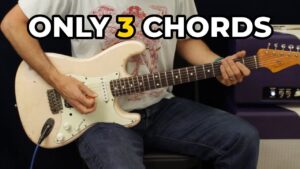
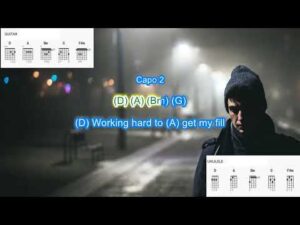
Before diving into the fretboard mechanics, listen to the original studio track for sound reference via the Official Red Hot Chili Peppers Otherside Audio Reference. You can also view the complete chord sheet on the Official Otherside Chords Guide, or follow along with the detailed chord and lyric lesson video below.
Key & Scales Breakdown
The song is written in the emotional key of A Minor. Keep your guitar in standard tuning (E A D G B E). No capo is required, allowing you to utilize open-position minor shapes and clean barre chord voicings across the neck.
To improvise over the track, navigate John Frusciante’s iconic intro motif, or build melodic lead fills, focus primarily on the A Minor Pentatonic scale (`A, C, D, E, G`). You can also incorporate the A Natural Minor (Aeolian) scale to capture the exact haunting half-step intervals and passing tones used throughout the verse and chorus arrangements.
Chords You Need to Know
Am (x02210): The primary tonic minor anchor that establishes the dark, driving mood of the verses.
F (133211): Provides the heavy emotional lift and subdominant tension in the core progression.
C (x32010): Delivers the bright, open relative major resolution that breaks up the minor tension.
G (320003): Acts as the connective dominant bridge resolving smoothly back toward the home chord.
Quick Reference Chart
| Chord / Scale Name | Fret Diagram / Formula | Difficulty | Role in Song |
| Am | x 0 2 2 1 0 | Beginner | Tonic Root / Verse Anchor |
| F | 1 3 3 2 1 1 | Intermediate | Subdominant Tension |
| C | x 3 2 0 1 0 | Beginner | Relative Major Resolution |
| A Minor Pentatonic | A, C, D, E, G | Beginner / Intermediate | Intro Riff & Lead Fills |
Step-by-Step Song Lesson
Step 1: Master the Intro Lead Motif. Learn John Frusciante’s interlocking octave and single-note melody lines that drive the song’s signature hook before strumming open chords.
Step 2: Lock in the Verse Chord Progression. Move smoothly through the Am, F, C, and G cycle. Keep your rhythm tight and even to maintain the song’s hypnotic pulse.
Step 3: Execute the Chorus Dynamics. Transition into the powerful chorus sequence, shifting your picking and strumming attack to match the vocal intensity and rhythmic drive.
Tone & Gear Breakdown
To capture John Frusciante’s signature clean yet textured alternative rock tone, focus on your pickup selection and subtle modulation.
Pickup & Amp Setup: Use a neck or middle single-coil pickup on a Fender Stratocaster running into a clean, warm tube amplifier with mild headroom.
Effects & Dynamics: Engage a subtle analog delay or chorus pedal to add depth and width to the iconic single-note intro hooks.
Outro: Mastering the Track
“Otherside” remains an absolute masterclass in alternative rock guitar phrasing and emotional arrangement. Practice along with the embedded video guide above to lock in your timing. For more song breakdowns, explore our Songs To Learn section, check out our published features in the guitar lessons directory, or dive into our guide on mastering classic song arrangements.