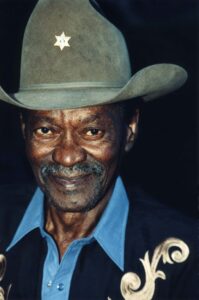

Lurrie Bell is a definitive figure of the modern Chicago blues scene, a musician whose life and art are inextricably linked to the history of the city’s West Side sound. As the son of the legendary harmonica master Carey Bell, Lurrie was a child prodigy who grew up surrounded by icons like Muddy Waters and Howlin’ Wolf. His career has been a journey of incredible highs and challenging lows, marked by his battle with mental health and a triumphant return to the top of the blues world. He is celebrated for his “emotional” guitar style, which balances technical brilliance with a raw, often heartbreaking vulnerability that few other players can match.
The Signature Bell Style: Technical Prowess Meets Raw Emotion
The signature style of Lurrie Bell is defined by its unpredictability and deep soul. He possesses a formidable technique characterized by sharp, stinging notes and a sophisticated harmonic sense that allows him to navigate complex jazz-inflected blues changes. However, what sets him apart is his “mercurial” delivery; he often plays with a jagged, nervous energy that can transition instantly into a smooth, lyrical line. His guitar often acts as a mirror to his vocals—gravelly, intense, and deeply expressive. Bell’s playing is never about showy speed for its own sake; every note is weighted with the lived experience of a man who has truly survived the blues.
Essential Listening: Three Pillars of the Bell Legacy
To understand the evolution of Lurrie Bell’s artistry, three tracks from his extensive discography provide a perfect roadmap.
“Got My Eyes on You” (The Blues Had A Baby, 1999)
This track showcases Bell during a period of raw, high-energy Chicago blues. Recorded with his father Carey, “Got My Eyes on You” features a driving, rhythmic guitar part that anchors the song’s groove. Lurrie’s soloing here is aggressive and biting, demonstrating the fiery technique that made him a standout in the 1990s blues revival. It is a masterclass in the father-son chemistry that defined much of his early career, showing how he could modernize traditional structures without losing their essential grit.
“Blues in My Soul” (Blues in My Soul, 2013)
The title track of his 2013 album serves as a definitive statement of his identity. By this point in his career, Bell’s playing had become more seasoned and introspective. “Blues in My Soul” is a slower, more deliberate performance where his guitar work is incredibly vocal. He uses space and sustain to create a haunting atmosphere, with every string bend feeling like an emotional plea. This track highlights his ability to convey profound sadness and resilience simultaneously, proving why he is considered one of the most soulful guitarists of his generation.
“So Hard to Leave You Alone” (Tribute to Carey Bell, 2018)
Featured on a tribute album dedicated to his late father, this track is a poignant example of Bell’s mature style. It is a deeply personal performance that blends gospel-tinged melodies with traditional blues phrasing. His guitar tone is warm and rich, providing a comforting yet melancholic backdrop to his weathered vocals. The song demonstrates his growth as a sophisticated arranger and his ability to honor his roots while continuing to push his own creative boundaries.
The Ultimate Rolodex: A Legacy of Collaboration
Lurrie Bell’s career has been shaped by his collaborations with the architects of the Chicago sound. Beyond his lifelong musical partnership with Carey Bell, he spent years as a member of Koko Taylor’s Blues Machine, where he honed his skills as a premier sideman. He has also recorded and performed with legends like Billy Branch, Buddy Guy, and Junior Wells. In recent years, his work with producer Matthew Skoller and the Delmark Records team has revitalised his career, resulting in a string of award-winning albums that have introduced his unique sound to a new generation of blues enthusiasts worldwide.
Conclusion: The Living Heart of the West Side
Lurrie Bell remains one of the last true links to the golden age of Chicago blues, yet he is far from a nostalgia act. His music continues to evolve, reflecting a life of survival and a deep, spiritual connection to his instrument. Whether he is playing a blistering shuffle or a somber, slow blues, he brings an honesty to the stage that is increasingly rare. Lurrie Bell is more than just a talented guitarist; he is a living testament to the healing power of the blues, proving that music can be a source of strength through the darkest of times.
Cover Photo Credit “Lurrie Bell 1980” by Lioneldecoster is licensed under CC BY-SA 3.0