An Unforgettable Voice in Blues
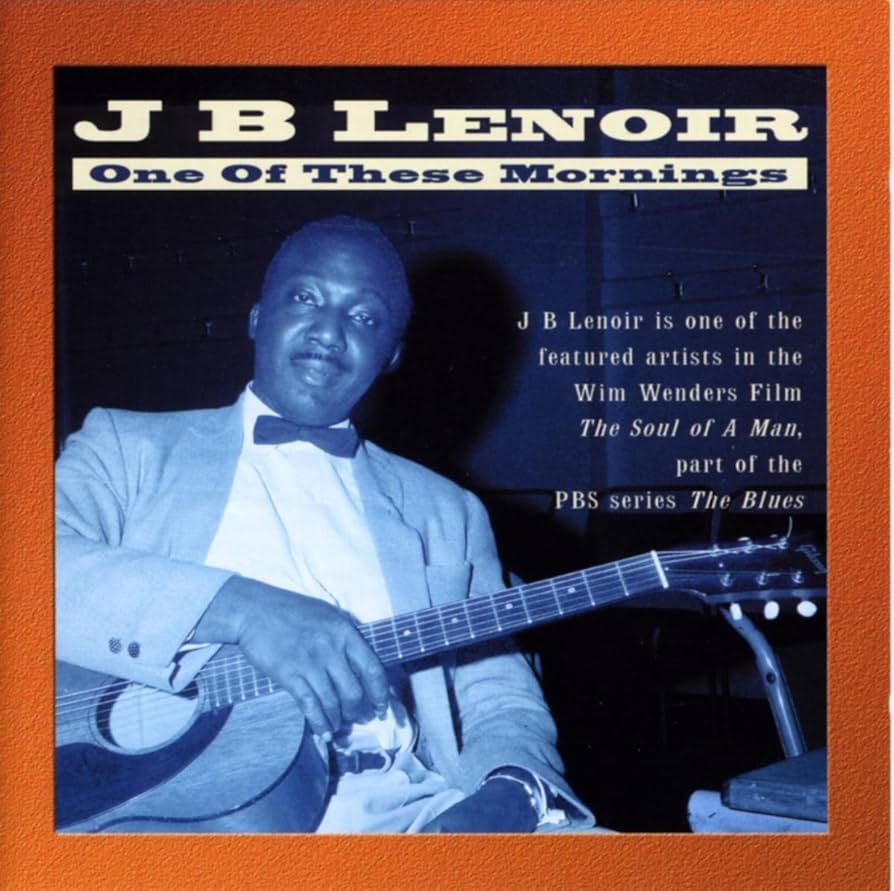
J.B. Lenoir remains one of the most distinctive and compelling voices in blues history, a figure whose unique vocal style, sharp songwriting, and understated guitar work offer a rewarding journey for any guitarist seeking to explore beyond the genre’s most common names. Though his life and recording career were tragically cut short, Lenoir left behind a potent legacy, marked by both infectious, rhythmic blues and stark, socially conscious commentary that still resonates today. His approach to the guitar was intrinsically linked to his songs, serving the message and melody with a unique flair that set him apart from many of his Chicago contemporaries.
J B Lenoir From Mississippi to Chicago
Born in Monticello, Mississippi, in 1929, Lenoir absorbed the sounds of the South before migrating, like many others, first towards New Orleans and eventually settling in Chicago in the late 1940s. The Windy City’s blues scene was crackling with energy, and Lenoir quickly fell in with key players, absorbing influences while developing his own sound. He possessed an unusually high-pitched singing voice for a male bluesman, a trait that immediately made his recordings stand out. Combined with his penchant for wearing zebra-patterned attire, Lenoir cut a unique figure. His background informed his music deeply, particularly his later work which unflinchingly addressed the injustices faced by Black Americans.
The Subtle Artistry of Lenoir’s Guitar
Lenoir’s guitar style wasn’t built on flashy solos or overwhelming volume, but rather on a subtle, rhythmic foundation that perfectly complemented his singing and lyrical themes. He moved comfortably between acoustic and electric guitar throughout his career. His playing often featured catchy, cyclical riffs and a strong sense of rhythm, sometimes incorporating boogie patterns. While not known primarily as a slide player or intricate fingerpicker in the vein of some Delta masters, his fingerstyle work, especially on later acoustic recordings, was clean and expressive. He understood how to use the guitar to create atmosphere, letting simple chord voicings and well-placed rhythmic accents drive the emotional weight of his songs, proving that tasteful understatement can be incredibly powerful.
Songs That Speak: Protest, Pain, and Persuasion
Among his most impactful recordings is the searing “Alabama Blues.” Recorded during the turbulent heart of the Civil Rights Movement, the song is a stark, acoustic indictment of the racism and violence endemic in the Deep South, specifically Alabama. Lenoir’s high, keening voice delivers lines like “I never will go back to Alabama, that is not the place for me and you” with chilling directness. The guitar accompaniment is stripped-down, almost mournful, providing a sparse but resolute backing that underscores the gravity of the lyrics. It’s a masterclass in using the blues as a vehicle for powerful social protest, with the guitar serving purely to amplify the message.
Exploring other facets of his work reveals different moods and styles. “The Whale Has Swallowed Me” (often titled “The Whale Swallowed Me” or similar variations), stemming from his later acoustic sessions often produced by Willie Dixon, showcases a more metaphorical and perhaps introspective side. Again, the acoustic guitar work is central, likely featuring his thoughtful fingerstyle approach, creating a mood of entrapment or being overwhelmed, fitting the evocative title. Contrast this with an earlier cut like “Give Me One More Shot.” Likely recorded in the mid-1950s for labels like Parrot or Checker, this track represents his more upbeat, electric Chicago blues sound. Expect a driving rhythm, possibly featuring piano and drums from collaborators, with Lenoir’s electric guitar laying down a solid groove and his signature vocals pleading for romantic redemption – a classic blues theme handled with his characteristic vocal delivery.
Chicago Connections: Working with Blues Royalty
Throughout his Chicago years, J.B. Lenoir collaborated with some of the city’s finest blues musicians. Pianist Sunnyland Slim was a frequent partner, his rolling keys appearing on many of Lenoir’s classic sides. Drummer Fred Below also anchored the rhythm section on important sessions. Perhaps most significant, especially for his later, revered acoustic work, was bassist, producer, and songwriter Willie Dixon. Dixon oversaw the sessions that produced “Alabama Blues” and other tracks for the European market in the mid-1960s, capturing Lenoir in a raw, powerful setting that highlighted his songwriting and unique vocal/guitar combination beautifully. These collaborations placed him firmly within the vibrant Chicago blues network.
Why J.B. Lenoir Matters to Guitarists Today
For guitarists today, discovering J.B. Lenoir is like uncovering a hidden gem. His work offers a crucial counterpoint to the high-volume electric blues that often defines the Chicago sound. Lenoir demonstrates the power of subtlety, the importance of rhythm, and the way guitar can serve the song and its message above all else. His direct, often political songwriting is a potent reminder of the blues’ roots in social commentary. His unique vocal timbre combined with his tasteful guitar lines creates a sound unlike any other. Exploring his catalogue, from the early electric sides to the profound late-career acoustic recordings, provides valuable lessons in phrasing, rhythm, and the deep connection between music and meaning, making J.B. Lenoir an essential artist for any serious student of the blues guitar.