Released in September 1979 as the lead single from their second studio album Reggatta de Blanc, “Message in a Bottle” by The Police stands as a towering masterpiece of new wave and post-punk guitar artistry. Written by frontman and bassist Sting while staying on a remote island in Scotland, the lyrics capture the stark isolation of a castaway writing a desperate note of hope, only to discover at the song’s climax that a hundred billion other castaways have washed ashore with the exact same message. Driven by Andy Summers’ legendary arpeggiated riffing—which layers add-9 chord voicings with pristine chorus effects—the track propelled the power trio to their first UK number-one single and cemented its status as one of the definitive guitar anthems of the post-punk era.
Beyond its legendary status, “Message in a Bottle” is an exceptional song to learn on guitar because it serves as an ultimate test of finger-stretch endurance, clean string separation, and rhythmic right-hand precision. Many guitarists find the wide-interval add-9 chord shapes daunting at first, but mastering them transforms your ability to navigate extended arpeggios across the neck. It trains your left-hand finger independence, sharpens your ability to maintain a relentless eighth-note picking pulse under tight tempo constraints, and demonstrates how a rhythm guitar part can carry both the harmonic progression and the melodic hook simultaneously within our Songs To Learn collection.
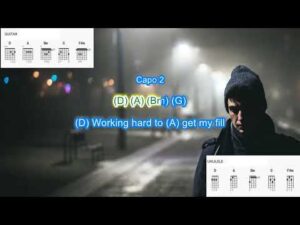
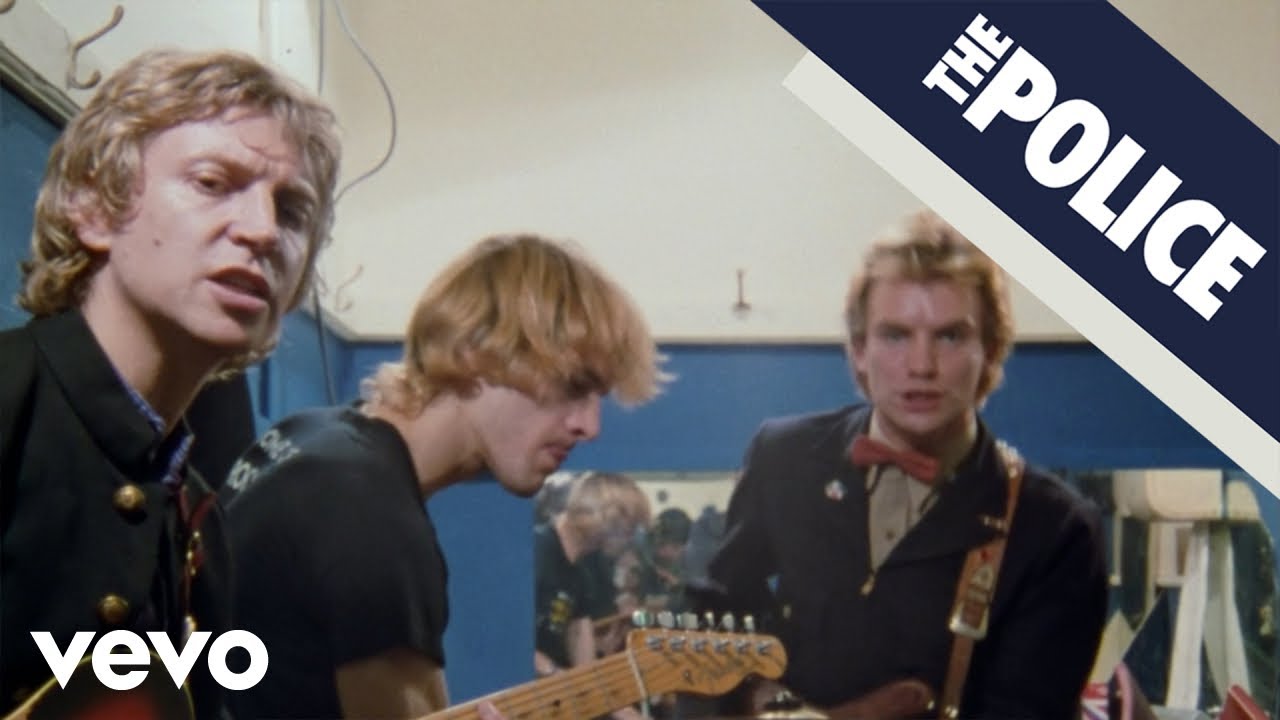
Before diving into the fretboard mechanics, listen to the original studio track for sound reference via the Official The Police Message In A Bottle Audio Reference. You can also view the complete chord sheet on the Official Message In A Bottle Chords Guide, or follow along with the detailed overview guide below.
Examine the quick visual breakdown and structural tips in the overview video guide below.
Practice your timing, arpeggio pacing, and stamina directly alongside the dedicated backing track video below.
Key & Scales Breakdown
The song is written in the key of C# Minor. Keep your guitar in standard tuning (E A D G B E). No capo is required, allowing you to execute Andy Summers’ iconic wide-interval stretches cleanly across the lower frets.
To improvise over the track, navigate lead breaks, or build melodic counter-lines, focus primarily on the C# Minor Pentatonic scale (`C#, E, F#, G#, B`). Because Andy Summers frequently weaves modal colors and extensions into his playing, you can also incorporate the C# Natural Minor (Aeolian) scale to capture the precise passing tones used during the bridge and outro variations.
Chords You Need to Know
C#m add9 (x46644 to x46647): The iconic opening arpeggio shape requiring a comfortable finger stretch across four frets.
A add9 (x77600 or 577655): Delivers the soaring modal lift in the progression.
B add9 (x99800 or 799877): Adds bright harmonic tension before resolving back down.
F#m add9 (244222): Provides the heavy minor-key anchor supporting the chorus vocal lines.
Quick Reference Chart
| Chord / Scale Name | Fret Diagram / Formula | Difficulty | Role in Song |
| C#m add9 | x 4 6 6 4 4 | Intermediate | Intro & Verse Arpeggio Anchor |
| A add9 | x 7 7 6 0 0 | Intermediate | Progression Lift |
| B add9 | x 9 9 8 0 0 | Intermediate | Tension & Turnaround |
| C# Minor Pentatonic | C#, E, F#, G#, B | Intermediate | Lead Solos & Fills |
Step-by-Step Song Lesson
Step 1: Master the Add-9 Arpeggio Shape. Focus on your left-hand stretch for the C#m add9 riff. Keep your knuckles arched so adjacent strings ring clear without accidental muting.
Step 2: Lock in the Right-Hand Picking Rhythm. Maintain a steady, mechanical eighth-note picking pattern across the chord changes from C#m to A and B, matching the backing track pulse.
Step 3: Execute Chorus Power Chords. Transition from the intricate verse arpeggios into the driving power chords of the chorus, increasing your attack to match Sting’s vocal delivery.
Tone & Gear Breakdown
To capture Andy Summers’ signature late-70s Police tone, focus on your pickup selection and modulation effects.
Pickup & Amp Setup: Use the bridge pickup on a bright Fender Telecaster or Stratocaster running into a clean, punchy tube amplifier with generous headroom.
Effects & Dynamics: Engage a subtle chorus pedal or analog delay to add the shimmering, spacious modulation that defines the recorded arpeggios.
Outro: Mastering the Track
“Message in a Bottle” remains a masterclass in combining melodic arpeggios with driving rock energy. Practice along with the embedded backing track above to lock in your timing. For more song breakdowns, explore our Songs To Learn section, check out our published features in the guitar lessons directory, or dive into our guide on mastering classic song arrangements.