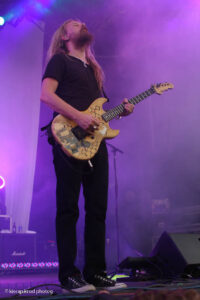

Welcome back to Guitardoor.com, where we celebrate the true innovators who didn’t just play the guitar, but completely reimagined its sound. Today, we step into the laboratory of a genuine rock and roll renaissance man: the visionary founder, songwriter, producer, and guitarist of the iconic band Boston, Tom Scholz. An MIT-trained engineer with a relentless perfectionist streak, Scholz applied his scientific mind to his musical passion, creating one of the most massive, meticulously crafted, and instantly recognizable guitar sounds in the history of rock.
The Architect of Arena Rock
The “Boston Sound,” which exploded onto the airwaves with their record-shattering 1976 debut album, was a perfect and hugely influential blend of powerful, driving hard rock, soaring, irresistible pop melodies, and intricate, almost classical, vocal and guitar harmonies. Tom Scholz was the sole architect of this sound. He wrote timeless, uplifting rock anthems like “More Than a Feeling” that were masterpieces of songcraft, destined to rule the radio for decades.
His most defining characteristic was his notoriously meticulous and perfectionist approach to recording. In his homemade basement studio, he would spend years painstakingly layering track upon track of guitars, creating his signature “guitar army” sound. This was not the sound of a simple rock band; it was a lush, orchestral wall of guitars, a sonic tapestry of harmonized leads and powerful, multi-tracked rhythms that set a new standard for studio production and became a foundational sound for the “arena rock” genre.
The Anatomy of a Sonic Scientist: Technique and Tone
Tom Scholz’s guitar playing is as composed and melodic as his songwriting. His solos are not loose, blues-based improvisations; they are brilliantly structured and incredibly memorable melodic statements. He is a master of crafting soaring, harmonized lead guitar lines that sound like an entire symphony of guitars playing in perfect unison. His technique is precise and controlled, designed to perfectly execute the complex, layered parts he composed.
His most famous sonic innovation is the “guitar army” sound, achieved through meticulous multi-tracking. He would record numerous, distinct guitar parts, often playing the same line with different tones or harmonizing melodies in thirds and fifths, and then layer them together in the mix to create a sound that was impossibly thick, rich, and majestic.
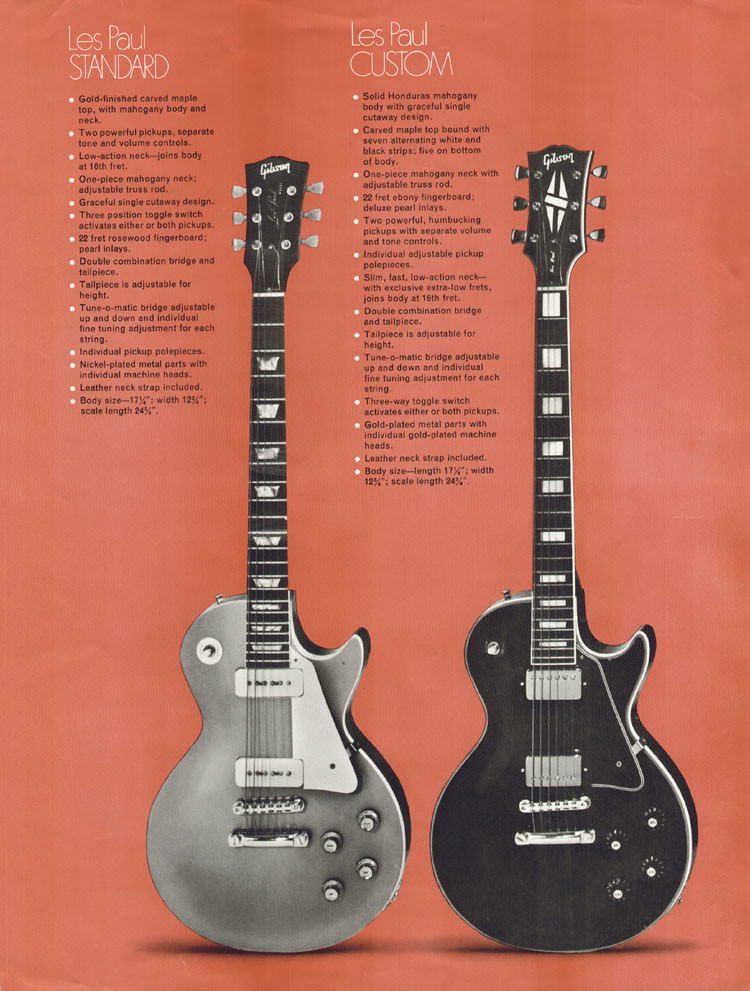
The heart of this sound began with his primary instrument: a 1968 Gibson Les Paul Goldtop, famously modified with a P-90 pickup in the neck and a humbucker in the bridge. The thick, powerful, and sustaining tone of this Les Paul was the perfect starting point for his sonic experiments. He fed this guitar into vintage Marshall “Plexi” amplifiers, which he heavily modified himself.
However, Scholz’s most revolutionary contribution to the world of guitar gear came from his own inventive mind. Frustrated with the inability to achieve his complex studio sound easily, he used his engineering skills to create the Rockman, a revolutionary headphone amplifier and effects unit. This small box perfectly replicated his signature compressed, chorused, and infinitely sustained guitar tone. The Rockman became an iconic piece of 80s gear, used on countless hit records by artists like Def Leppard and forever changing the way guitarists could practice and record.
Essential Scholz: The Boston Canon
The music of Boston is a masterclass in songwriting and sonic production. To understand the genius of Tom Scholz’s vision and his iconic guitar work, these three tracks are absolutely essential.
“More Than a Feeling”
“Foreplay/Long Time”
“Don’t Look Back”
Tom Scholz is a true one-of-a-kind figure in rock history. His legacy is twofold and equally monumental. He is the brilliant songwriter and musician who created the timeless, beloved, and massively successful music of Boston. And he is the visionary inventor whose passion for the perfect tone led him to create technology that empowered a generation of guitarists. He is, without question, one of the great sonic architects of rock and roll.
Cover Photo Credit “TomScholz” by Weatherman90 at English Wikipedia is licensed under CC BY 3.0