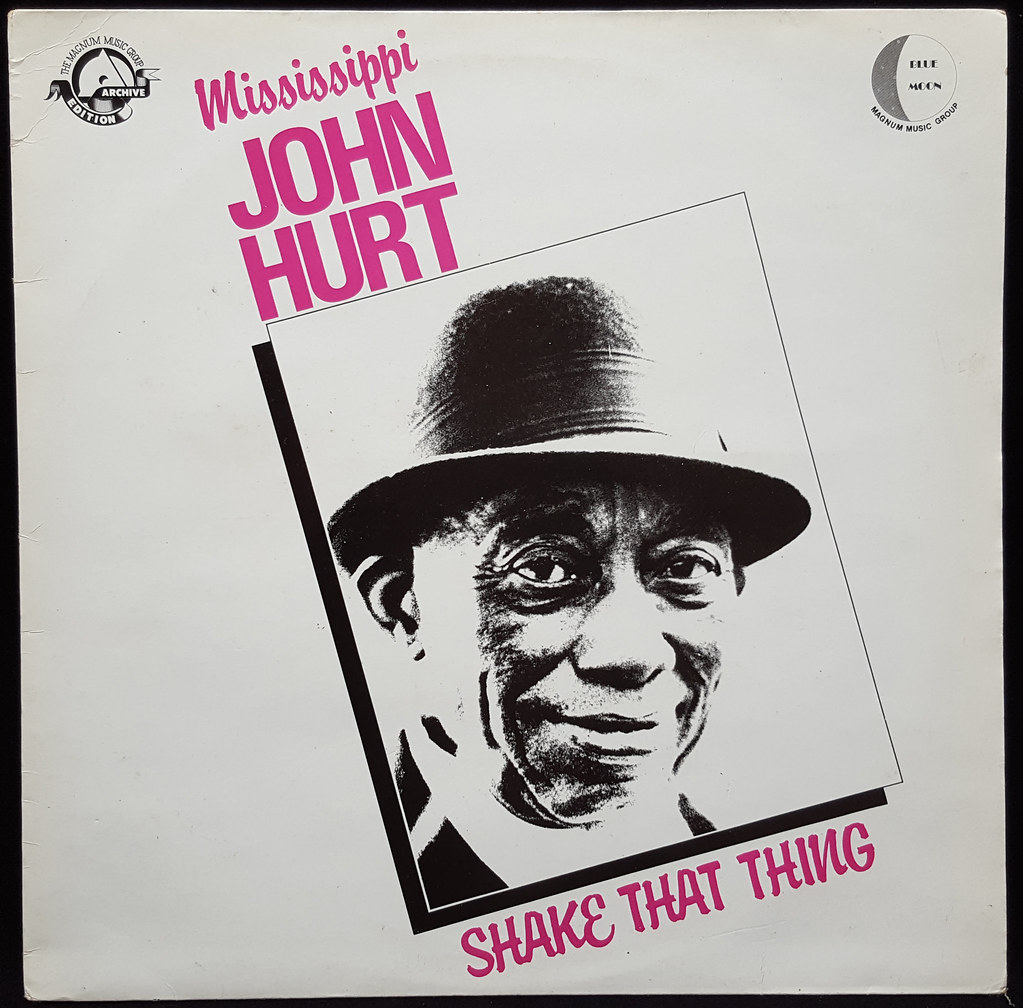
In the rich tapestry of American blues and folk music, few figures stand out with the quiet grace and enduring appeal of Mississippi John Hurt. Unlike the often intense, raw sound emanating from the nearby Delta, Hurt’s music, born in the hill country of Avalon, Mississippi, possessed a warmth, subtlety, and intricate charm that captivated listeners during his brief recording career in the 1920s and, remarkably, again decades later during the folk revival of the 1960s. For guitar players, Hurt remains a touchstone – a master of a unique fingerpicking style that sounds deceptively simple yet reveals layers of rhythmic and melodic sophistication.
John Smith Hurt (born circa 1893) taught himself guitar around the age of nine, developing his style in relative isolation while working as a farmer and laborer for most of his life. He absorbed the local traditions – a blend of blues, ragtime, country tunes, and ballads. His local reputation earned him a recording session with Okeh Records in 1928, where he laid down tracks like “Frankie,” “Spike Driver Blues,” and the self-referential “Avalon Blues.” While these records are now considered classics, they sold modestly at the time, and with the onset of the Great Depression, Hurt returned to Avalon and obscurity, his brief recording career seemingly over.
Decades passed. Then, fueled by the inclusion of Hurt’s 1928 recordings on Harry Smith’s influential Anthology of American Folk Music (1952), a new generation of folk enthusiasts became curious. In 1963, following the geographical clue in “Avalon Blues,” folk musicologist Tom Hoskins located Hurt, still living in Avalon, Mississippi. This “rediscovery” was a pivotal moment in the folk revival. Hurt, then around 70 years old, found himself transported from rural farm life to the stages of the Newport Folk Festival, university campuses, and coffeehouses, charming audiences with his gentle demeanor and captivating music.
At the heart of Mississippi John Hurt’s enduring appeal is his unique guitar style. He employed a sophisticated three-finger picking technique, often anchoring his ring and pinky fingers lightly on the guitar top for stability. His thumb laid down a remarkably steady, often alternating bass line, providing a solid rhythmic foundation reminiscent of ragtime piano. Against this, his index and middle fingers danced, picking out clear, syncopated melodies on the treble strings. He didn’t typically use complex chord shapes, preferring standard “cowboy chords” in first position, but he embellished them masterfully with hammer-ons, pull-offs, and melodic runs, often fretting bass notes with his thumb. His playing wasn’t loud or aggressive; it was intricate, clean, and perfectly complemented his warm, conversational singing voice. It was a style influenced by various traditions but ultimately, distinctly his own.
Though he didn’t “collaborate” in the modern sense of featured artists, Hurt’s rediscovery placed him squarely in the midst of the burgeoning folk scene. He shared stages and green rooms with contemporaries and younger admirers alike. His gentle personality and unique sound deeply influenced countless musicians, including Doc Watson, John Sebastian (who reportedly named his band The Lovin’ Spoonful after a lyric in Hurt’s “Coffee Blues”), Bob Dylan, Taj Mahal, and many others who were drawn to the authenticity and warmth of his music. He recorded extensively during this period for labels like Vanguard and the Library of Congress, leaving behind a much larger body of work than his initial 1928 sessions.
Hurt’s songs often told stories, drawing from traditional ballads (“Frankie,” “Stack O’Lee”), work songs (“Spike Driver Blues”), or personal reflections (“Avalon Blues”), sometimes with a touch of playful innuendo (“Candy Man Blues”). Even when tackling darker themes, his delivery maintained a characteristic gentleness. This contrast between sometimes serious subject matter and his warm, approachable style is part of what makes his music so compelling. He proved that blues didn’t always have to be mournful or raw; it could also be nuanced, delicate, and inviting.
His late-life career was a whirlwind of festival appearances, recordings, and even a spot on The Tonight Show. Sadly, this period was brief. Mississippi John Hurt passed away in 1966, only a few years after his rediscovery, but his impact was profound. He left behind a legacy not just of wonderful recordings, but of a unique approach to the guitar that continues to inspire players across genres.
Mississippi John Hurt’s music remains a timeless treasure. For guitarists exploring fingerstyle blues and folk, his work offers a deep well of inspiration – a masterclass in rhythm, melody, and understated soul. His journey from Avalon to the folk revival stage and back is a remarkable story, but it’s the enduring beauty and warmth of his music that truly cements his place as one of America’s most beloved musical figures.