
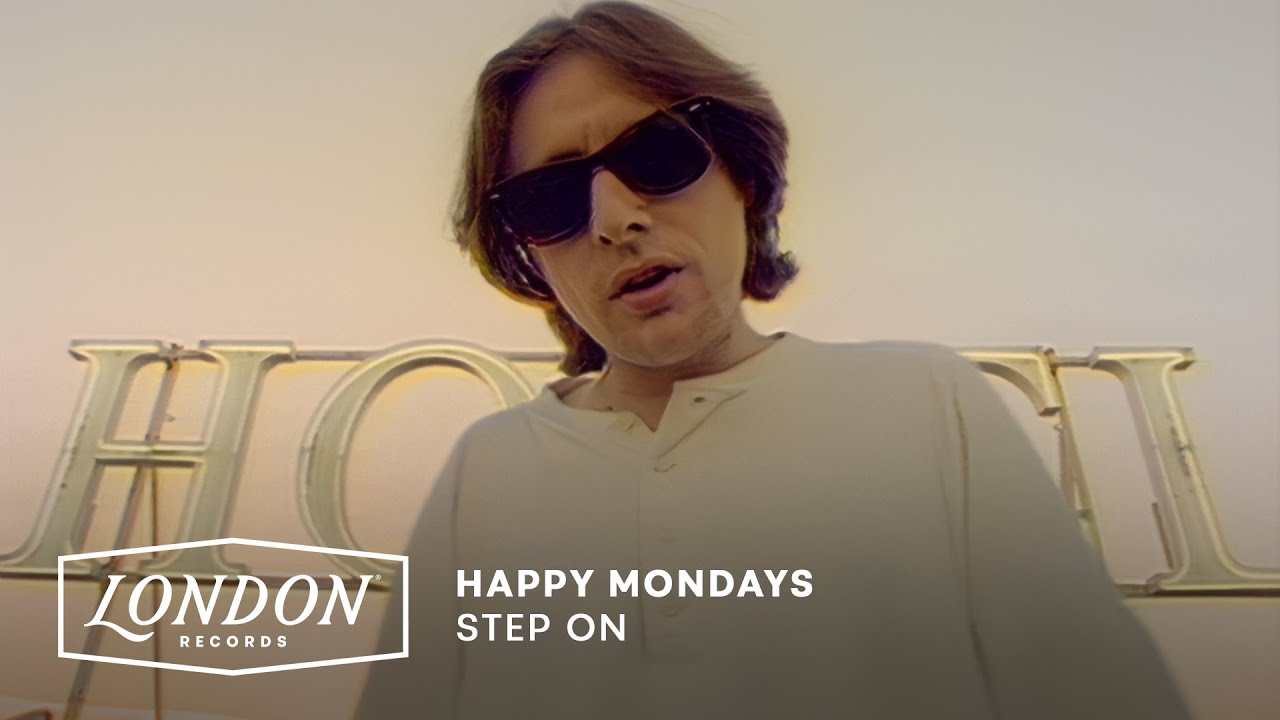
If Shaun Ryder was the mouthpiece and Bez was the spirit animal of the Happy Mondays, Mark Day was the structural engineer. As the band’s lead guitarist throughout their definitive “Madchester” run, Day provided the jagged, psychedelic, and deeply funky foundations that allowed the Mondays to bridge the gap between indie rock and the burgeoning rave scene of the late 80s and early 90s.
The Sound of the “North”
While many of his contemporaries in the Manchester scene were looking back to the 60s for inspiration, Mark Day was looking toward funk and industrial textures. His playing style on seminal albums like Bummed and Pills ‘n’ Thrills and Bellyaches was characterized by its rhythmic precision and “scratchy” delivery.
Day was a master of the “waspish” guitar tone—using heavy amounts of wah-wah and modulation to create sounds that slithered through the massive, dance-floor-ready basslines of Paul Ryder. Much like Stone Gossard’s role in Pearl Jam, Day understood the power of “subtraction,” playing only what was necessary to keep the groove moving while leaving space for the chaos of the vocals.
3 Recommended Tracks (The Essential Mark Day)
1. “Step On”
This is the definitive anthem of the Madchester era. Day’s guitar work here is a masterclass in the “less is more” philosophy. His bright, percussive stabs and rhythmic phrasing provide the essential hook that carries the song. It’s a perfect example of how to blend indie-rock attitude with a club-ready funk sensibility.
2. “Kinky Afro”
On this track, Day leans into a more fluid, rolling groove. His interplay with the bassline is seamless, creating a “two-headed” rhythmic monster that drives the track forward. The subtle use of effects creates a shimmering, psychedelic haze that became the hallmark of the band’s peak sound.
3. “W.F.L. (Wrote For Luck)”
Taken from the album Bummed, this track showcases the darker, more industrial side of Day’s playing. The guitar lines are sharp, angular, and slightly menacing—proving that Day could provide the “grit” just as easily as he provided the “groove.”
A Legacy of Interplay
Mark Day’s approach to the guitar often mirrors the “two-headed monster” philosophy we see in other great pairings. While he was the sole guitarist for most of the Mondays’ peak, his interplay with the band’s keyboardists and programmers created a massive, psychedelic wall of sound.
After the band’s initial messy collapse following the Yes Please! sessions in Barbados, Day largely stepped away from the spotlight, pursuing a career in teaching and media before eventually reuniting with the original lineup. His return to the stage in recent years has reminded audiences that while the Mondays are often remembered for their hedonism, the music was built on a foundation of serious, innovative musicianship.
Internal Connections
The Groove Connection: Like Stone Gossard: The Groove Master of Grunge, Mark Day proved that the most important thing a guitarist can do is serve the rhythm.
The British Roots: His early days in the Manchester club scene echo the “straight from the wood” dedication of British blues veterans like Mick Clarke.
Modern Successors: You can hear echoes of Day’s rhythmic “scratch” in the modern phrasing of players like Chris Buck, who prioritise pocket over ego.
Explore More Icons of Style
If you’re a fan of the atmospheric and rhythmic side of rock, don’t miss our other profiles like
Albert Järvinen: The Finnish Guru of Rock and Roll – A look at another underrated hero who defined a national sound with raw power.