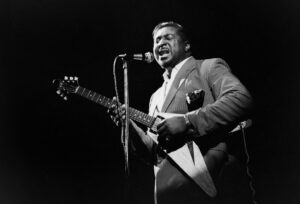
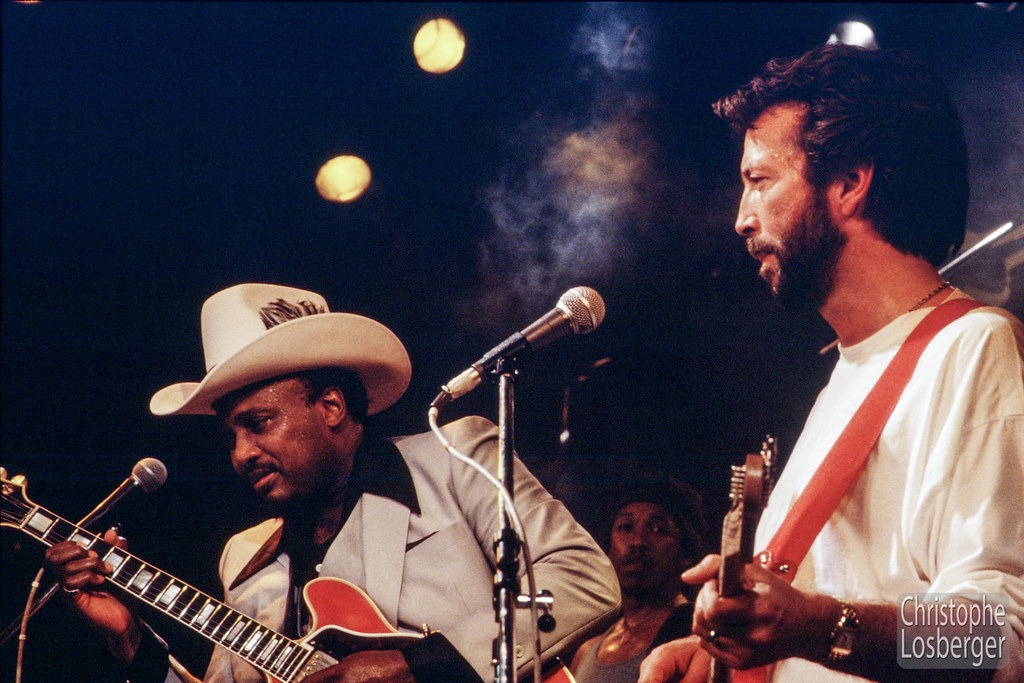
Otis Rush is more than just a name in the blues; he emits a distinctive sound that has influenced countless guitarists and music lovers across generations.
Renowned for his expressive playing style and powerful vocals, Rush’s work embodies the emotional depth that defines the blues. In this post, we will explore the guitarist journey of techniques that made Rush a guitar icon, share my journey of discovering his music through Mick Pini, and offer insights into how aspiring guitarists can learn from his legacy.
Additionally, we feature a video of Mick Pini performing his original song Homework, a tribute that beautifully pays homage to the blues genre and the influence of Otis Rush.
The Sonic Landscape of Otis Rush
The hallmark of Otis Rush’s guitar playing lies in his deep, soulful tone” a sound that evokes emotion at every bend and slide. Playing a left-handed Gibson Les Paul, Rush mastered the art of bending notes in a way that resonates with the listeners heartstrings. His notable tracks, such as “I Can’t Quit You Baby” and “Double Trouble,” illustrate how he fused traditional blues riffs with a unique, expressive flair.
Rush’s technique often involved using a heavy vibrato and nuanced rhythm that made his music feel alive. This vibrato was not just a mere flourish; it conveyed the raw emotions he experienced, allowing audiences to feel every note he played. Many who attended his performances have shared how his intricate guitar work left a lasting impression, making each show a soulful experience.
Discovering Otis Rush Through Mick Pini
My journey into the blues world truly began with Mick Pini, a brilliant guitarist based in Germany whose performing style encapsulates the spirit of blues legends, including Rush. I had the privilege of recording Mick at a concert in Germany, where he performed “Homework” This song highlights Mick’s own storytelling capabilities while simultaneously showing reverence for the genre’s roots.
During Mick’s performance, I was struck by how he seamlessly blended Rush’s influence while imbuing the music with his own unique voice. It felt as if Otis Rush’s spirit came alive through Mick’s guitar, allowing a newer generation to appreciate the emotional power of blues. This kind of intergenerational musical respect underscores the heart of the blues: it’s not just about copying great players but understanding and expressing the emotions they conveyed. If you enjoy Mick’s music then why not subscribe to his official channel on YouTube where you can hear his own songs and his tribute to Freddie King
The Impact of Otis Rush’s Technique
Otis Rush’s technique is a treasure trove for guitarists looking to evoke deep emotional responses through their playing. Here are a few key aspects that you can integrate into your own guitar practice:
- Bend with Emotion: One of Rush’s signature moves was his ability to bend notes with heartfelt intention. Try using half-bends and full bends on the strings to add emotional weight to your phrases. Begin slowly, gradually increasing speed as you become more comfortable. Focus on the feeling behind each bend what emotion are you trying to convey?
- Play with Rhythm: Rush often varied his rhythmic patterns, which added an element of surprise and interest. Experiment with syncopation and swing feel in your playing. Don’t hesitate to incorporate pauses; sometimes, the silence can speak louder than the notes themselves.
- Use Vibrato Effectively: Vibrato can transform a good note into a great one. Practice achieving a consistent vibrato in your playing, slowly increasing the intensity as you gain confidence. Remember, the goal is to make the note sing not just to add embellishment.
- Connect Emotionally: When performing, aim to tell a story. Rush’s music often reflected personal experiences of heartache and joy, creating a connection with listeners. Before playing, think about the emotional backdrop of the piece. What story are you trying to tell?
The Legacy of Otis Rush
Otis Rush’s impact reaches far beyond his own recordings. His influence can be heard in the music of contemporary legends like Joe Bonamassa and Gary Clark Jr., who both credit Rush for shaping their sound.
According to Bonamassa, “Otis Rush is one of the cornerstones of the Chicago Blues sound.” As you delve into the blues genre, remember that the musicianship of artists like Rush paves the way for what we hear today. Their stories are rich with lessons that aspiring musicians can learn from, both in technique and in understanding how to connect with an audience.
Conclusion
Otis Rush’s musical legacy continues to resonate within the blues genre, inspiring countless musicians and fans alike. Through the lens of Mick Pini and his interpretations of Rush’s work, we can see how the essence of great artists can live on and fuel the creative journeys of others. As you explore the magic behind Rush’s guitar techniques, remember that the blues is not just a style of music but a profound way of expressing the complex emotions of life.
Your Opinions on Otis Rush Make A Comment:
We want to hear your stories! What’s your favorite Otis Rush track or moment? Share your thoughts in the comments below! And don’t forget to check out the video of Mick Pini performing “Homework” his artistry beautifully connects with the blues tradition that Otis Rush helped shape. Let’s celebrate the blues together and keep the conversation going!