
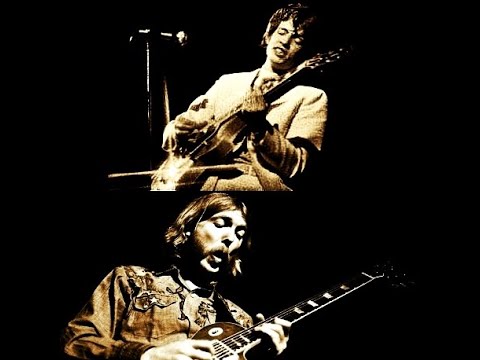
In 1969, a historic collision occurred at Muscle Shoals Sound Studio. It was the moment John Hammond Jr., a guardian of the blues tradition, met Duane Allman. The standout track, “Shake for Me,” is a masterclass in how two generations of guitarists can breathe new fire into a classic.
The Foundation: Willie Dixon’s Blueprint
As noted on the original Atlantic Records vinyl
, “Shake for Me” was penned by the legendary Willie Dixon. Dixon was the architect of the Chicago Blues sound, providing the blueprint for the 60s rock revolution.
While Dixon’s original version with Howlin’ Wolf was a study in tension, Hammond and Allman turned it into an all-out electric assault.
The Performance: The Milk Truck and the Master
The recording of Southern Fried is the stuff of guitar legend. Duane Allman famously arrived at the studio in a milk truck, essentially demanding to play on the session.
The Tone: You can hear the result in this original 1969 recording. Duane’s “straight” tuning (non-slide) lead work is sharp and biting, perfectly complementing Hammond’s gritty, rhythmic growl.
The Interaction: It is a conversation between a purist and a pioneer. Hammond provides the rhythmic “truth,” while Duane adds the high-voltage energy that would soon define the Allman Brothers Band.
⚡ The Modern Parallel: Clapton and Mayer
The dynamic between Hammond and Allman set a template we still see today, most notably in the partnership between Eric Clapton and John Mayer.
Like Hammond, Clapton represents the veteran who has mastered the subtleties of the blues. Like Allman, John Mayer entered the scene as a high-octane prodigy who earned his stripes by honoring the legends before him. When they share the stage at the Crossroads Guitar Festival, it’s the same “torch-passing” energy captured in Muscle Shoals in 1969.
🔗 Historical Sources
The Track: John Hammond feat. Duane Allman – “Shake for Me” (YouTube)
The Credits: John Hammond – Southern Fried (Discogs Official Archive)
Final Thought
Whether it’s the raw grit of Duane Allman in 1969 or the polished precision of John Mayer today, the blues relies on these “summits.” They remind us that the music is a living thing, passed from one generation of “greats” to the next.