While many blues revivalists of the 1960s were content to simply mimic the records, John Hammond Jr. approached the genre with a raw, “possessed” intensity that bridged the gap between acoustic folk and electric rock. As of 2026, Hammond stands as one of the few remaining legends who lived through the Greenwich Village folk explosion alongside Jimi Hendrix and Bob Dylan, carrying the torch for the Delta blues into the modern era.
The Barrelhouse Attack and Steel-Bodied Soul
John Hammond Jr.’s style is best described as “aggressive acoustic.” He is famous for his barrelhouse approach, where he treats the guitar with the rhythmic ferocity of a piano player. His most iconic tool is a vintage, steel-bodied National Reso-Phonic guitar, which he uses to produce a metallic, biting tone that cuts through any room.
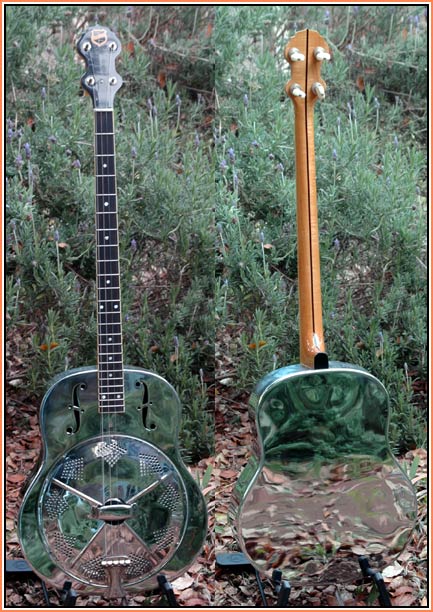
His playing is a masterclass in independent coordination; he often performs solo, providing a heavy, driving thumb-beat while simultaneously playing intricate slide lines and wailing harmonica. This “one-man-band” discipline requires immense physical control. Much like the “vocal” phrasing of Stef Burns: The Versatile Virtuoso, Hammond’s slide work is designed to mimic the human voice, crying and moaning in sync with his lyrics.
3 Essential John Hammond Jr. Songs
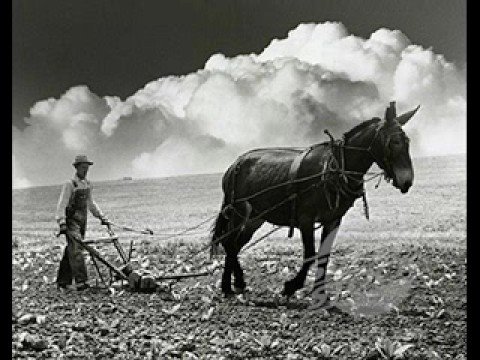
1. “Get Behind the Mule”
Originally written by his close friend Tom Waits, Hammond’s version from the Wicked Grin album is a masterclass in grit. The guitar work is swampy and percussive, showcasing his ability to take a modern composition and drench it in the mud of the Mississippi Delta. It highlights the rhythmic “pocket” that is essential to his live performances.
2. “Shake for Me” (with Duane Allman)
This track from the I Can Tell era is a high-water mark for blues-rock. Featuring the legendary Duane Allman on second guitar, it showcases Hammond’s ability to lead a band with electric intensity. His phrasing is sharp and staccato, providing a perfect foundation for the sliding fire of Allman’s lead work. This collaborative spirit is something we also see in the career of session masters like Jefferson Kewley.
3. “Preachin’ Blues”
As an interpreter of Robert Johnson, Hammond is peerless. This solo acoustic track highlights his frantic, high-energy slide technique. The “mad run” of the slide along the neck of his National guitar creates a screaming register that defines the “obsessed” nature of his playing. It’s a reminder that the blues isn’t just about sadness—it’s about the joy found in the intensity of the performance.
The Enduring Legacy of John Hammond Jr.
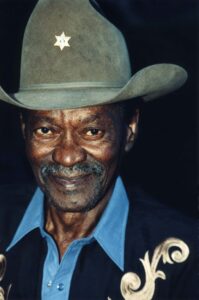
In 2026, John Hammond Jr. remains a reminder that the blues is a living, breathing thing, not a museum piece. He took the “thumb-thump” of pioneers like Sam Chatmon and electrified the spirit of it for a new generation. For the GuitarDoor community, Hammond is proof that you don’t need an arena-sized stack of amplifiers to create a massive sound—sometimes, all you need is a steel guitar and a lifetime of soul.
External Resources
Official John Hammond Jr. Website