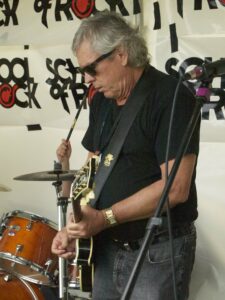
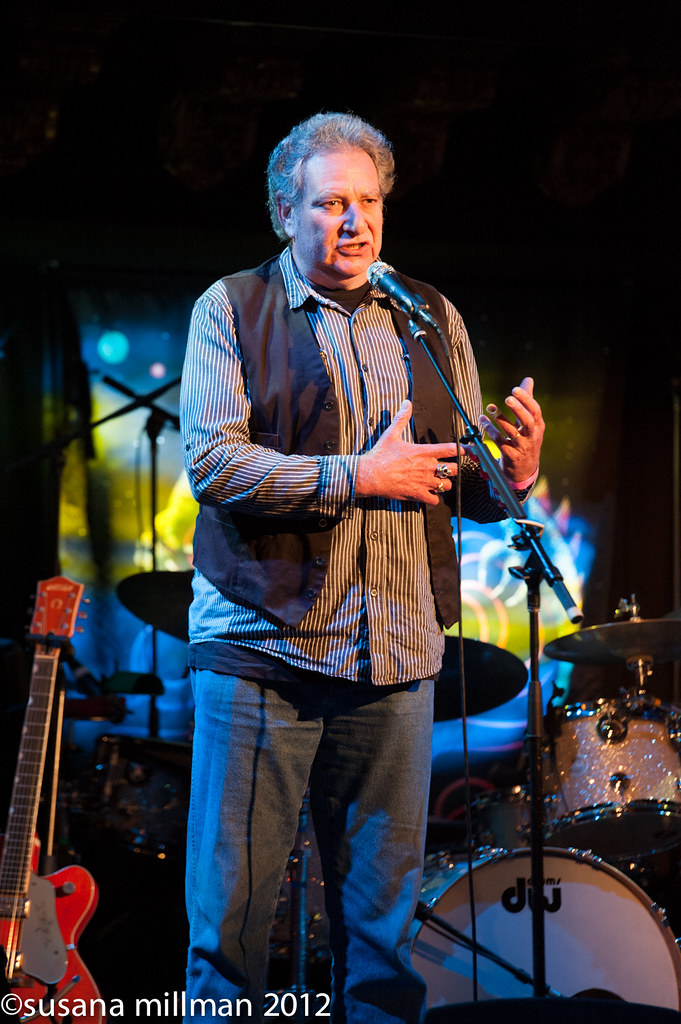
Big Steve Parish worked with the Grateful Dead as their roadie and manager for over 25 years. During his time with the band, he played a crucial role in the production and logistics of their live shows. He also co-authored the book “Home Before Daylight: My Life on the Road with the Grateful Dead” which provides an inside look into the band’s touring lifestyle. Today, Parish continues to work in the music industry as a consultant and tour manager.
Today we are talking about one of the vital figures in the Grateful Dead family, Steve Parish, sometimes known to generations of rock fans as Big Steve Parish. While not a performer on stage, his behind-the-scenes leadership makes him a true Grateful Dead diamond-class member of the core circle.
The Logistics of a Traveling Circus: “The Situation is in Charge”
For a long time, this legendary Dead roadie and key coordinator of the Grateful Dead touring lifestyle had a standard response whenever local authorities would repeatedly ask the crew during chaotic stadium setups: “Who is in charge here?!” Big Steve Parish eventually found the ultimate truth of the matter, speaking clearly and matter-of-factly: “The situation is in charge.”
That situation could be a broken carburetor on one of the equipment buses, a guitar amp malfunctioning, or any of the hundreds of technical hurdles that inevitably occurred during massive Grateful Dead live shows. Big Steve Parish’s contributions lay in mastering that chaos, establishing a vital anchor for the Grateful Dead music industry ecosystem.
The Grateful Dead as a band was only ever in charge of the musical improvisation from day one. The Deadheads that followed them in ever-increasing numbers over the decades were a self-governing community, rarely dictated to by the band unless the stadium infrastructure threatened to buckle under the weight of the crowd.
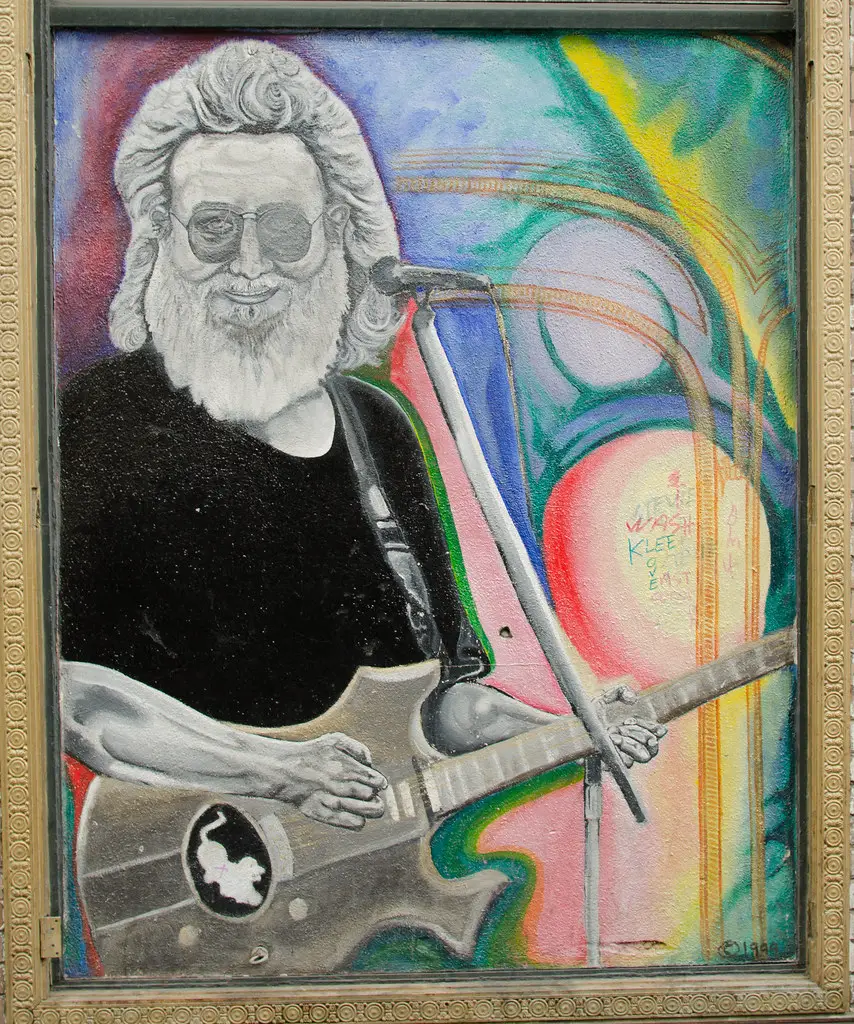
I specifically remember one morning buying tickets as the doors opened at the local music store. Each of us was handed not only our ticket but an official printed letter directly from the band. The long and short of it was a plea for collective responsibility due to a lack of respect from massive influxes of newcomers. The band warned us that the community must police its own areas and address the behavior of people who were literally destroying the ability of the group to book standard venues and continue appearing at open-air live music events.
The Cultural Turning Point: Touch of Grey and the Grateful Dead 1980s
The biggest catalyst for this strain happened in 1987 with the release of the In the Dark album and their massive Touch of Grey hit single, which received heavy rotation as a music video on MTV. The track reached number nine on the Billboard Hot 100 chart, and while the mainstream success was well-deserved, the unforeseen ramifications on Grateful Dead culture would become evident later.
The Grateful Dead’s true magic was that over decades they operated as a shifting coalition of styles. By the 1980s, they had worked all these historical eras into a single comprehensive setlist, seamlessly bridging their roots.
Grateful Dead Remastered Full Album Workingman’s Dead
The skillfully crafted acoustic-driven Americana songs from the Workingman’s Dead album era were presented in the exact same concerts alongside the explosive, early psychedelic exploration of tracks like “The Other One” or “Saint Stephen.”
Then you had the nightly “Drums and Space” segment, which acted as a deep dive into tribal rhythm and avant-garde soundscapes. When that improvisational section ran its course, you never knew what beautiful, soaring ballad might follow to carry out the rest of the night. This element of pure unpredictability is exactly what kept Grateful Dead fans returning to shows for hundreds of dates—no two concerts were ever the same. However, alongside that musical beauty, structural trouble became increasingly predictable.
Discovering the Grateful Dead and Big Steve Parish in Ohio
I discovered the Dead’s music in the early ’80s and quickly became a dedicated fan, but I didn’t get to attend a live show until the 1991 Summer tour at the Legend Valley Ohio venue (now renamed the Buckeye Lake Music Center). This rural location was a beautiful haven where the band and fans could enjoy open fields, old trees, and communal camping—a stark contrast to the concrete jungles of urban stadium tours. That first show remains one of the fondest Deadheads experiences of my life.
One year later, in 1992, I got my first taste of the cultural shift that had been building since the mid-80s explosion. There was a distinct change waving in the air like a flag. It was red, white, and blue, but it was flashing from police cruisers lined up along the state highway. I had worked that day until 4 p.m. before hitting the road toward Newark, Ohio.
Fortunately, I had a full tank of gas, as the approach quickly devolved into a standstill crawl. Having short hair and wearing standard clothes, I carried no outward signs of belonging to the tribe. Sitting stone-cold sober in my car, I watched State Highway Patrolmen systematically empty out VW buses and dayglo-painted vehicles right on the shoulder, searching through belongings and executing roadside arrests. By the time I finally made it into the parking lot, the traffic delays had caused me to miss most of the first set.
I kept my spirits up knowing that the second set was traditionally where the most profound musical exploration took place, but the atmosphere inside felt compromised. I had arranged to meet friends in a general area near the main medical tent—a loose plan, given that coordinating precise meeting spots inside a shifting sea of 60,000 people was practically impossible. It was there that I ran right into a prime example of the scene’s new demographic trouble.
These were the types who had injected themselves into the culture solely because of the post-1986 fame. They came strictly for the lawless party, knew one radio hit, and felt entitled to behave with zero regard for anyone else. While genuine violence was rare, the entitlement of this element often created friction.
I asked a young, dreadlocked kid a direct, simple question: “Which way is the medical tent? Is it on the left or the right side of the stage structure?” Instead of direction, I was met with a loud, aggressive lecture. I chose to turn around and simply walk away—knowing it is impossible to win a battle of wits with an unarmed mind. Yet, he followed me, shouting, “Go to Greenpeace next time! If you don’t need a doctor, you shouldn’t be anywhere near the medical tent!”
I finally stopped, put a finger up, and told him directly: “I asked you a simple directional question, you’re giving me an unwanted lecture, and you’re going to stop right now.” As I continued walking, he stayed right on my heels. Spotting a stadium security officer standing nearby in the crowd, I walked over to resolve the issue once and for all. I calmly explained to the officer that this individual was harassing me, and noted that I was fully prepared to physically defend myself and knock the guy’s teeth out if he didn’t back off. The officer grinned, stepped in to handle the disruptive kid, and told me, “I’ve got this, buddy. Go try and enjoy the rest of the show.”
Even with the situation resolved, the heavy, strange vibe over the stadium lingered. After “Drums and Space” wrapped up, I decided to head for the exits. It had taken four hours of crawling traffic to get in, but the drive home took a mere 45 minutes.
Despite that weird night, I didn’t let it deter me from returning for the final summer tours of 1993 and 1994. Both of those later runs brought back the classic joy, communal warmth, and great music, even during the torrential downpours of the final year. It proved a fundamental truth the mainstream media always missed: the success or failure of a Grateful Dead concert didn’t hinge on the band itself. It depended entirely on the crowd. When overzealous security or police on horses started clearing fans indiscriminately, peaceful Deadheads often bore the brunt of a situation they didn’t cause. Once again, the overarching situation was completely in charge.
Documentary About Grateful Dead Fans: The Deadheads
We close out with this historical documentary capturing the genuine spirit of the Deadhead fan experiences over the decades. Following the tragic loss of Jerry Garcia in 1995, the community faced an immense void. Fortunately, subsequent touring lineups like Dead and Company have done a beautiful job of honoring the Jerry Garcia legacy, reviving that distinct musical magic for modern crowds within a much safer, more organized concert framework.
The Grateful Dead permanently changed the live music industry, while their dedicated fans wrote an entirely original script for counter-culture history. Today, the legendary Grateful Dead memories live on intact. The overarching situation is still in charge—and it is finally smiling. Big Steve Parish played an immeasurable role in ensuring that legacy survived intact for the next generation of players.