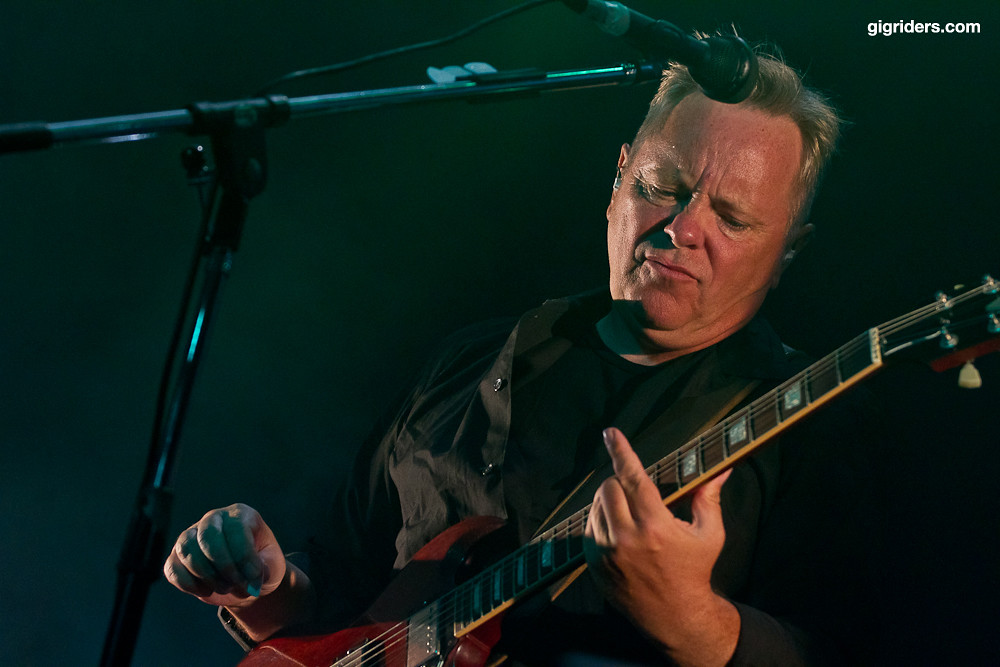
Welcome back to Guitardoor.com, where we celebrate the true innovators who rewrote the rules of the guitar. Today, we delve into the stark, beautiful, and deeply influential sound of a player who completely redefined the instrument’s role in a band: the one and only Bernard Sumner. As the pioneering guitarist for the legendary and seminal post-punk band Joy Division, Sumner was not a traditional guitar hero of blistering solos or bluesy riffs. He was a sonic architect, using his guitar to paint with texture and mood, creating the cold, desolate, and beautiful soundscapes that would change music forever.
Painting with Sound
The sound of Joy Division was a radical and stark departure from the rock music that had come before it. Emerging from the ashes of punk, their music was sparse, atmospheric, emotionally raw, and intensely melodic. It was a complete rejection of flashy, blues-based guitar heroics. In this new sonic world, Bernard Sumner’s guitar was an equal partner in creating mood, existing in a perfect, tense balance with Peter Hook’s iconic, high-register bass melodies and Stephen Morris’s precise, machine-like drumming.
Sumner’s guitar parts were often angular, jagged, and beautifully minimalist. He would craft single-note lines that were hypnotic and repetitive, use chiming arpeggios to create a sense of vast, empty space, and unleash distorted, down-picked riffs that were full of punk energy but with a darker, more melodic sensibility. His playing was the perfect, chilling complement to frontman Ian Curtis’s haunting baritone voice and desperate, poetic lyrics.
Anatomy of an Atmosphere
Bernard Sumner’s technique was built on a “less is more” philosophy, focusing on texture and emotional impact rather than pyrotechnics.
The Anti-Soloist: His style was a masterclass in minimalism. He favoured repetitive, melodic motifs that would burrow into the listener’s subconscious. His use of clean, chiming, and often heavily effected arpeggios became a cornerstone of the post-punk and alternative rock sound.
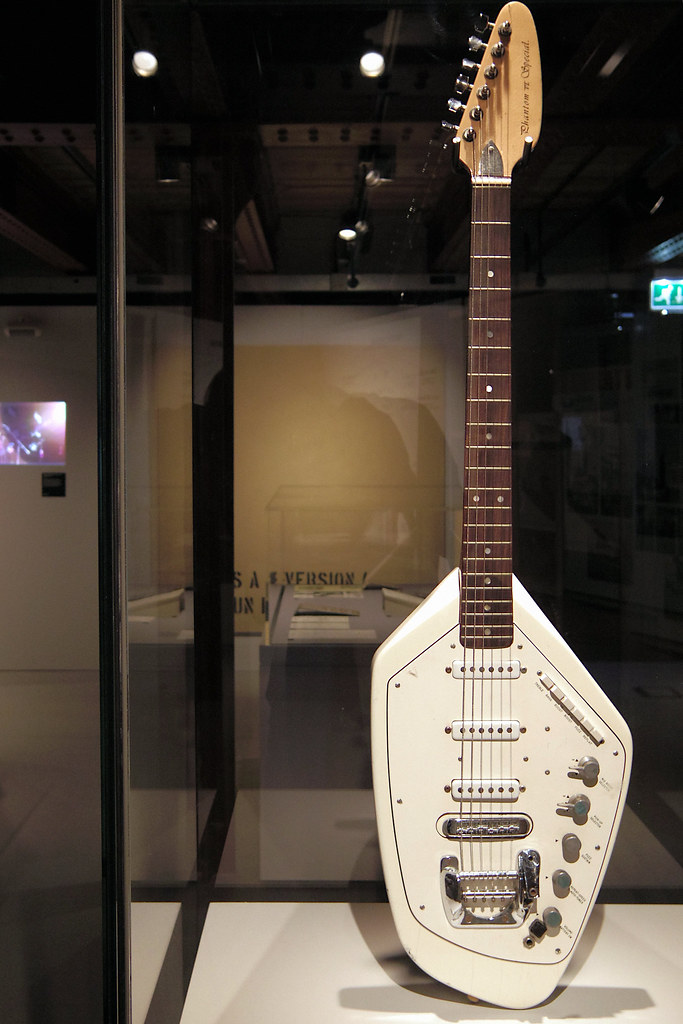
The Post-Punk Tone: Sumner’s tone was as revolutionary as his playing. He eschewed the warm, overdriven tube sound of classic rock for a tone that was often clean, bright, trebly, and heavily processed with effects. His most famous and iconic guitar from the era was a unique, British-made Shergold Masquerader, though he also used a Gibson SG.
The Secret Weapon – Chorus: The most crucial element of his signature sound was the Electro-Harmonix Clone Theory chorus pedal. This effect gave his guitar its famous shimmering, cold, and slightly detuned texture. That watery, melancholic sound became the definitive guitar tone of the post-punk era, influencing a generation of guitarists from The Cure’s Robert Smith to U2’s The Edge.
Essential Sumner: The Post-Punk Blueprint
Bernard Sumner’s guitar work with Joy Division created the very blueprint for post-punk and alternative rock. To understand his groundbreaking and atmospheric approach, these three tracks are absolutely essential.
“She’s Lost Control”
The main guitar line in this iconic track is a perfect example of Sumner’s genius. It’s a single, repetitive, jagged, and heavily chorused motif that is incredibly tense and hypnotic. The line never fully resolves, perfectly mirroring the song’s harrowing theme of a descent into chaos and a loss of control. It’s pure, minimalist perfection.
“Disorder”
The explosive opening track from their landmark album, Unknown Pleasures, is ignited by Sumner’s bright, angular, and relentlessly driving guitar riff. It’s a masterclass in post-punk energy, a sound that is both catchy and full of nervous tension, setting the stage for one of the most acclaimed debut albums of all time.
“Atmosphere”
This beautiful and funereal track showcases Sumner’s mastery of pure texture. His guitar work is incredibly sparse, using simple, shimmering, and heavily reverberated notes and arpeggios to help create the song’s vast, melancholic, and deeply emotional soundscape. It proves that the fewest notes can often have the most powerful impact.
Bernard Sumner is undeniably one of the most important and influential guitarists of his generation. He completely redefined the role of the electric guitar, shifting the focus from being the lead, soloing instrument to a tool for creating texture, mood, and profound atmosphere. His brilliant second act as the frontman and synth-pop pioneer of New Order would further cement his legacy as a true musical innovator, but his groundbreaking, atmospheric, and hugely influential guitar work with Joy Division had already secured his place in history forever.
Cover Photo Credit “Bernard Sumner (New Order)” by gaisler | instagram.com/gaisler is licensed under CC BY-NC-SA 2.0