
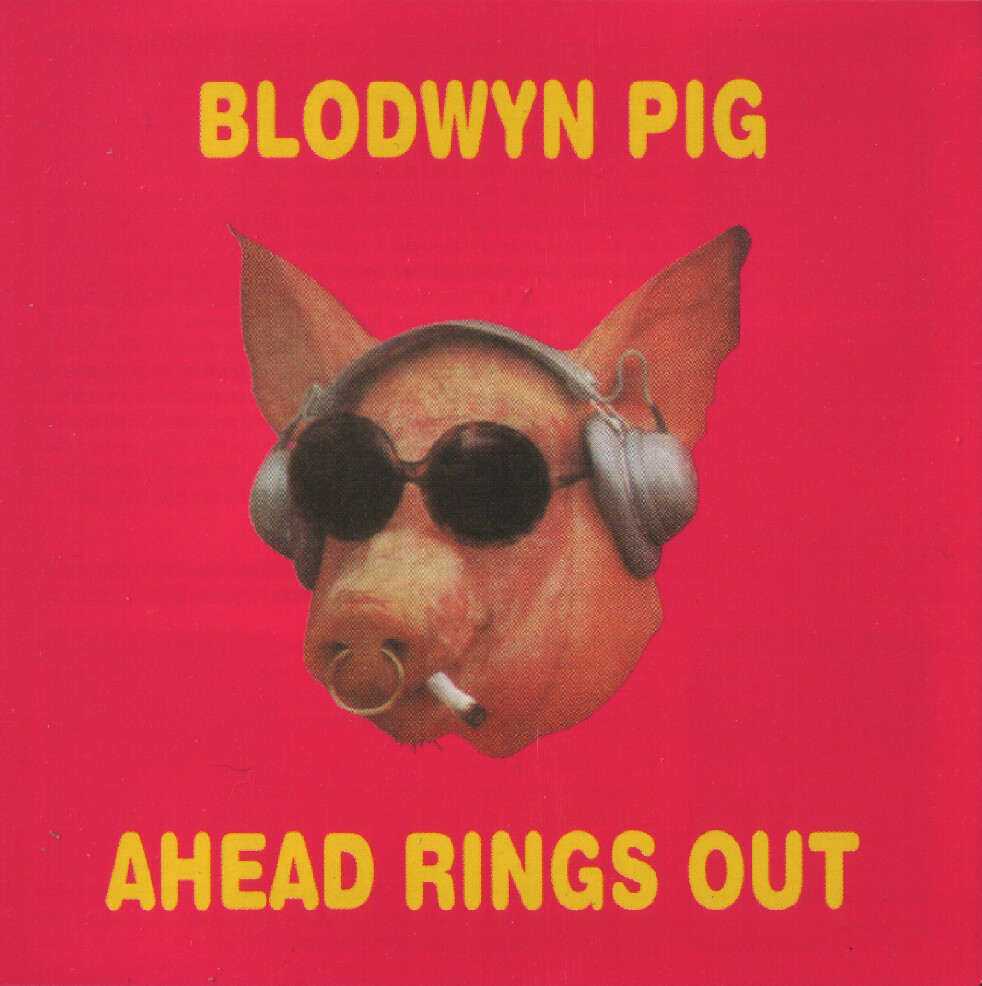
Mick Abrahams is a British guitarist who played a pivotal role in the late 1960s blues-rock explosion. As a founding member of Jethro Tull, he was the primary architect of the band’s initial gritty, jazz-inflected blues sound. While his tenure with Ian Anderson was brief due to a fundamental disagreement over the band’s musical direction, Abrahams left an indelible mark on their debut album before forming Blodwyn Pig. He remains a respected figure in the guitar community, celebrated for his uncompromising commitment to the blues and his powerful, distorted tone that helped bridge the gap between traditional British blues and the emerging hard rock scene.
The Signature Abrahams Style: Gritty Phrasing and Pure Valve Tone
The signature style of Mick Abrahams is defined by a raw, aggressive approach to the blues that prioritizes “feel” and “attack” over polished technicality. He is known for a thick, overdriven sound—often achieved using a Gibson SG or an ES-335 plugged into cranked Marshall or Selmer amplifiers. His playing is characterized by stinging vibrato, heavy string bending, and a rhythmic punch that gave Jethro Tull its early “muscle.” Unlike the folk-prog direction the band eventually took, Abrahams’ style was rooted in the Chicago blues tradition but delivered with a distinctly British, high-volume energy. His ability to blend jazz-inflected chords with standard blues scales gave his playing a sophisticated edge that set him apart from the average blues-rocker of the era.
Essential Listening: From This Was to Blodwyn Pig
To appreciate the impact of Mick Abrahams, his work on the first Jethro Tull album, This Was (1968), is the essential starting point. The track “Cat’s Squirrel” is a masterclass in his high-energy blues style, featuring a relentless, distorted riff and a blistering solo that showcases his raw power. It remains one of the heaviest tracks the band ever recorded, serving as a testament to Abrahams’ influence on their early identity.
Another standout from this era is “A Song for Jeffrey,” where his sliding guitar lines provide a perfect psychedelic-blues backdrop to Ian Anderson’s flute and vocals.
Following his departure from Tull, Abrahams formed Blodwyn Pig, a band that allowed him to further explore his vision of progressive blues. The track “Dear Jill” from their debut album Ahead Rings Out showcases his more melodic and soulful side. It features beautiful, clean guitar work and a laid-back groove, proving that he was as capable of subtlety and acoustic texture as he was of high-volume rock. These recordings together document a guitarist who was constantly searching for a balance between the traditions of the blues and the expanding boundaries of 1970s rock.
The Ultimate Rolodex: The Jethro Tull Split and Beyond
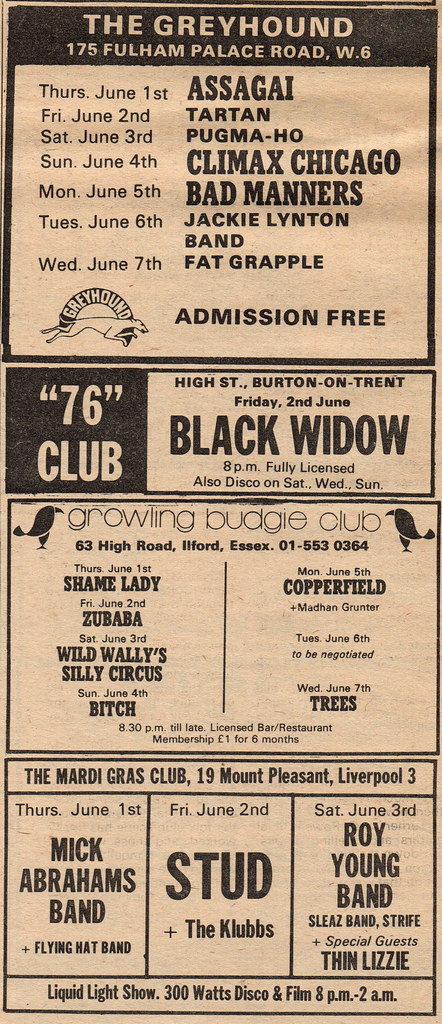
The career of Mick Abrahams is famously defined by his creative clash with Ian Anderson. While Anderson wanted to incorporate more folk, classical, and progressive elements into Jethro Tull, Abrahams insisted on staying true to the band’s blues roots. This led to his departure shortly after the release of their debut, paving the way for Martin Barre to join. In his own projects, Abrahams collaborated with elite musicians like saxophonist Jack Lancaster in Blodwyn Pig, creating a unique jazz-rock-blues fusion. Throughout his later career, he led the Mick Abrahams Band, maintaining a steady presence on the UK blues circuit and collaborating with other veterans of the British blues boom.
Conclusion: The Uncompromising Bluesman
Mick Abrahams remains a “guitarist’s guitarist,” a man who chose artistic integrity over the massive commercial success that Jethro Tull would eventually achieve. His legacy is found in the foundational riffs of early British hard rock and in the respect he commands from his peers. He proved that the blues could be both heavy and sophisticated, and his work continues to be a primary reference for those who value a raw, honest approach to the instrument. Abrahams wasn’t just a footnote in a famous band’s history; he was a powerhouse who helped define the sound of an era.