The Fiery Fretwork of Paul Kossoff: A Guitar Legend Remembered
Paul Kossoff, a name that resonates with a raw, blues-infused passion, remains one of rock and blues guitar’s most influential, albeit tragically short-lived, figures. His unmistakable vibrato and emotionally charged phrasing carved a unique niche in the annals of guitar history, inspiring countless players to pick up the instrument and chase that elusive, expressive tone. For Guitardoor.com, we delve into the life and searing guitar style of the man who gave Free its fiery heart.
Born in Hampstead, London, on September 14, 1950, Paul Kossoff was immersed in the arts from a young age, his father being the actor David Kossoff. His early musical inclinations led him to classical guitar lessons, but it was the burgeoning British blues boom of the 1960s that truly ignited his passion. Discovering the likes of Eric Clapton, B.B. King, and Peter Green, Kossoff found his calling. By his mid-teens, he was already making a name for himself in various local bands.
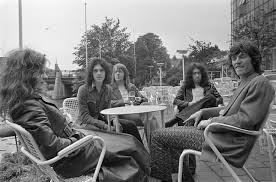
The pivotal moment came in 1968 when he co-founded the iconic band Free with vocalist Paul Rodgers, bassist Andy Fraser, and drummer Simon Kirke. Free’s raw, minimalist approach to blues-rock provided the perfect canvas for Kossoff’s evocative guitar work. Tragically, Kossoff’s career was plagued by drug addiction, which ultimately led to his untimely death on March 19, 1976, at the age of just 25, aboard a flight from Los Angeles to New York.Despite his short career, his impact on guitar playing remains profound.
Free – “All Right Now
We all remember this one from the Levis ads in the 80’s which the Clash also featured in along with the soul legend Percy Sledge and T-Rexbut I wanted to make it useful by placing a video of the Chords for learners and just for people who may link to jamalong on guitar sometimes we have added Many videos to our playlists with guitar chords if you want more.
At the core of Paul Kossoff’s guitar style was an unparalleled ability to convey deep emotion through his instrument. He wasn’t a shredder in the modern sense; his genius lay in his phrasing, his note selection, and, most famously, his extraordinary vibrato. Kossoff’s vibrato was wide, vocal-like, and intensely expressive. It wasn’t just a technique; it was a fundamental part of his musical voice, wringing every ounce of feeling from each sustained note.
He had an innate understanding of space and silence, allowing his notes to breathe and resonate, making each phrase more impactful. This less-is-more approach stood in stark contrast to some of the more flamboyant guitarists of his era, yet it carried an emotional weight that few could match.
His string bending was equally distinctive, often incorporating subtle micro-bends and a gut-wrenching attack that made his Gibson Les Paul sing with a human-like cry.
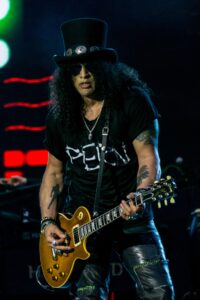
Kossoff typically favored a 1950s Gibson Les Paul Standard, often paired with Marshall amplification. This combination became synonymous with his signature thick, warm, and sustain-laden tone. He wasn’t known for using a plethora of effects; his sound was primarily derived from the direct connection between his fingers, his guitar, and his amplifier.
This purity of tone allowed the raw emotion in his playing to shine through, unadulterated and powerful. He understood how to manipulate his guitar’s volume and tone controls to achieve a dynamic range, from a whisper to a roar, all within a single phrase.
Free – Mr. Big
Kossoff’s blues roots were always evident, but he was able to transcend traditional blues forms, infusing his playing with a rock sensibility that was both raw and refined. His solos were rarely just a string of licks; they were melodic statements, often mirroring and enhancing the emotional core of the song
He had a unique ability to build tension and release, taking the listener on a journey with each improvisation. His influence can be heard in the playing of many guitarists who followed, from those who consciously emulated his style to those who simply absorbed his emotional honesty and expressive depth.
The rawness and vulnerability in his playing resonated deeply with audiences and fellow musicians alike. His work with Free produced timeless classics like “All Right Now,” “Wishing Well,” “Fire and Water,” and “Mr. Big,” all of which showcase his distinctive guitar voice. Even in his later, more sporadic recordings with Back Street Crawler, glimpses of his brilliance shone through the struggles he faced.
The legacy of Paul Kossoff is not just about technique or tone; it’s about the profound emotional connection a guitarist can forge with their instrument and their audience. He played from the heart, and that honesty continues to inspire.
Paul Kossof of Free – “Fire and Water
Paul Kossoff’s story is a poignant reminder of a phenomenal talent lost too soon. However, his music endures, a testament to his fiery spirit and his indelible mark on the world of guitar. For those seeking to understand the power of emotive blues-rock guitar, exploring the catalogue of Paul Kossoff is an essential journey.
A Brief Biography and Documentary on Paul Kossof
-
Key Bands: Black Cat Bones, Free (1968-1973), Back Street Crawler.
Kossof’s Signature Instrument: was the Gibson Les Paul Standard (particularly late 1950s models) and as for the KOS’s Amplification methods he they were Predominantly Marshall amplifiers.
Paul Kossof Died: March 19, 1976, aged 25 leaving a Legacy of Renowned expressive vibrato, soulful phrasing, and minimalist, emotionally charged blues-rock style. Inducted into Rolling Stone magazine’s list of the “100 Greatest Guitarists of All Time.” “Heavy Load: The Story of Free” by David Clayton and Todd K. Smith: While focusing on Free as a band, this book offers significant insight into Kossoff’s role and experiences. Paul Kossoff: All Right Now – The Guitars, The Gear, The Music” by J.P. James:
A more focused look at Kossoff’s equipment and musical output. Free: The Free Story” by Steven Rosen: Another valuable resource on the band’s history and Kossoff’s contributions. Various guitar magazines and online forums: Many publications and online communities dedicated to guitar playing often feature articles, lessons, and discussions analyzing Paul Kossoff’s style and influence. Searching for “Paul Kossoff guitar style” or “Paul Kossoff technique” will yield numerous resources. Paul Kossoff may have had a short time in the spotlight, but the echoes of his Les Paul continue to inspire and move guitarists and music lovers to this day. His playing was a pure, unadulterated expression of emotion, a fiery testament to the power of the blues-rock guitar.