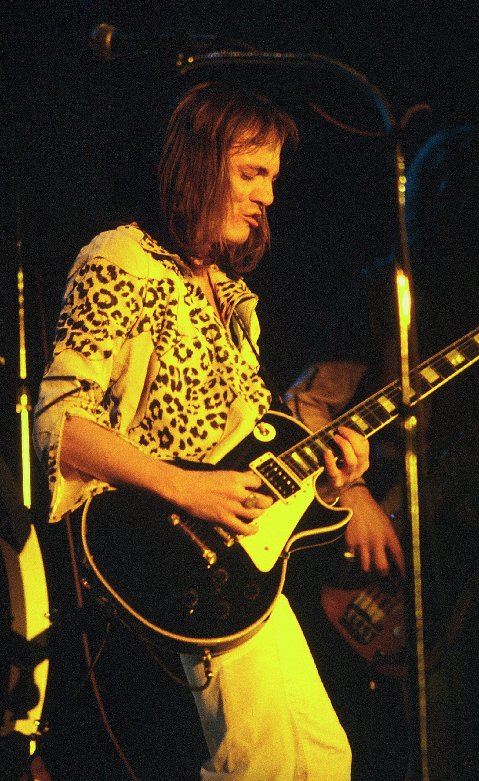
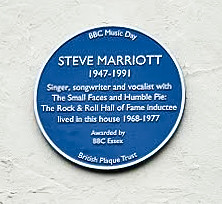
Steve Marriott was a towering, yet diminutive, figure in British rock history, recognized as one of the most powerful and soulful vocalists the UK ever produced. More than just a singer, Marriott was a ferocious guitarist, prolific songwriter, and the driving creative force behind two iconic bands: the pioneering Mod legends The Small Faces and the hard-hitting blues-rock group Humble Pie. His career was defined by an explosive energy and an ability to seamlessly transition from the whimsical pop of the Mod era to the heavy, uncompromising soul-rock of the 1970s.
The Signature Marriott Style: Rhythm and Raw Soul
Marriott’s guitar style was defined by the needs of his songwriting and his bands. In The Small Faces, his playing was sharp, dynamic Rhythm Guitar—providing the essential, driving R&B chord changes that gave the band their signature Mod swagger. He focused on punchy, staccato fills and thick chord voicings that supported his own acrobatic, blues-drenched vocals. When he formed Humble Pie, his instrumental role evolved. He became the band’s primary lead guitarist following Peter Frampton’s departure, showcasing a raw, aggressive Slide Guitar technique that was heavy, loud, and perfectly suited for the arena blues-rock sound.
Three Essential Tracks to Hear His Genius
To appreciate the sonic range and relentless energy of Steve Marriott, these three tracks are essential listening:
First, listen to “Tin Soldier” (1967) by The Small Faces. This is a definitive display of his songwriting and instrumental power. The track is built on a commanding, soulful riff and features Marriott delivering one of his most explosive, gospel-tinged vocal performances. His rhythm guitar here provides the muscular framework that elevates the song beyond simple pop into true soul-rock territory.
Next, explore “30 Days in the Hole” (1972) by Humble Pie. This track, a heavy blues-rock anthem, perfectly captures the raw, sweaty energy of their later sound. As the primary guitarist, Marriott delivers distorted, biting electric riffs and simple, effective blues fills that contrast with his guttural, high-octane vocals. It is the sound of pure, unadulterated rock excess.
Finally, listen to “Lazy Sunday” (1968) by The Small Faces. While known for its whimsical, music-hall flavor, this track demonstrates Marriott’s incredible versatility and willingness to experiment with sound. It shows a lighter side of his musicianship, where acoustic elements and playful arrangements take precedence, proving he was capable of producing both heavy rock and delicate psychedelic pop.
The Ultimate Rolodex: Mod Icons and Rock Supergroups
Marriott’s career involved highly productive partnerships. In The Small Faces, he co-wrote nearly all the band’s material with bassist Ronnie Lane, creating a powerful songwriting duo that defined the Mod and psychedelic eras. The band also included drummer Kenney Jones and keyboardist Ian McLagan. His next great venture, Humble Pie, was a true rock supergroup, co-founded with guitarist Peter Frampton (who later left for a solo career), bassist Greg Ridley, and drummer Jerry Shirley. This collaboration cemented Marriott’s transition from pop architect to blues-rock titan.
Conclusion: The Soul of British Rock
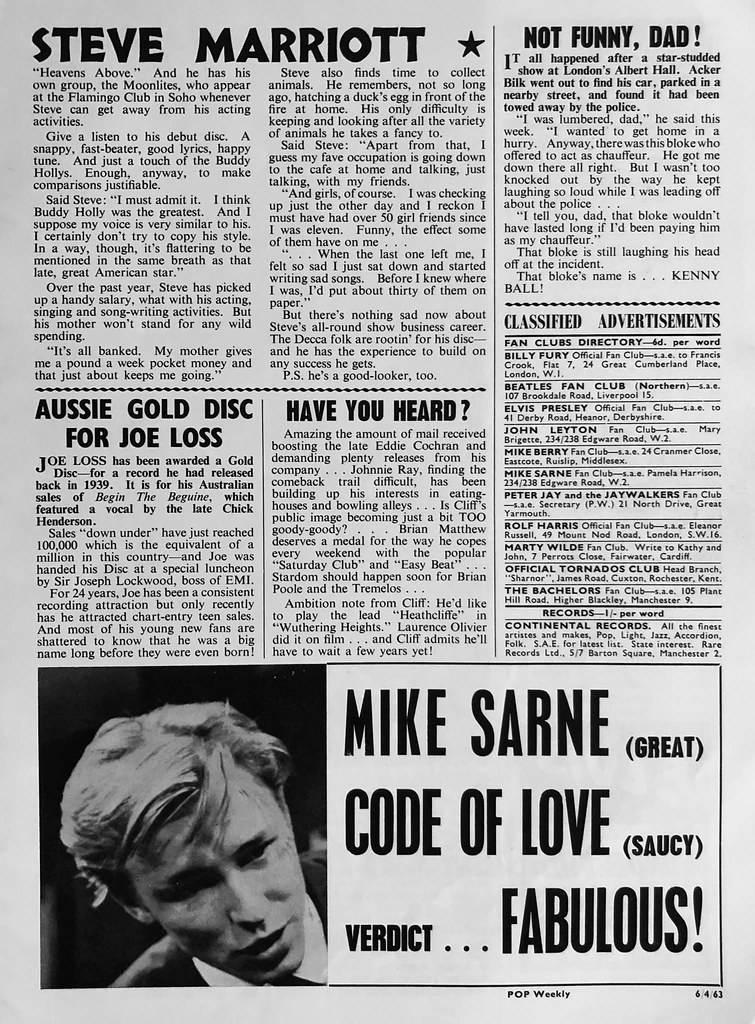
Steve Marriott was a once-in-a-generation talent whose presence guaranteed high energy and deep soul in every note. Though his career spanned only two decades, his influence as a vocalist and a dynamic, soulful guitarist continues to resonate. He was the quintessential British rock frontman, a volatile, passionate genius who left an indelible mark on the landscape of rock and roll.
Cover Photo Credit “Steve Marriott – Humble Pie – 1973” by Jim Summaria, http://www.jimsummariaphoto.com/ is licensed under CC BY-SA 3.0