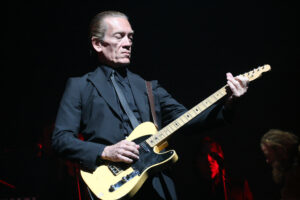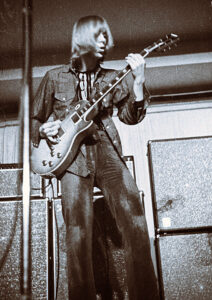
Les Dudek is one of the most respected, yet often unsung, guitarists of the classic rock era. Known as a supreme session ace and a versatile solo artist, his melodic playing and distinctive slide work form the backbone of some of the most enduring hits in the Southern rock and blues-rock canon. Dudek’s style blends the improvisational fluidity of the Allman Brothers Band with a clean, punchy rock sensibility, making him an invaluable secret weapon for major bands throughout the 1970s and 80s.
The Signature Dudek Style: Melodic Slide and Blues-Rock Grit
Dudek’s ssignature guitar style is defined by its masterful balance of melodic structure and blues-rock intensity. Unlike guitarists who prioritize speed, Dudek’s solos are always memorable, built around hummable phrases, powerful bends, and a deeply expressive use of the slide guitar. His playing maintains the raw, improvisational feel of Southern rock while delivering the tight, studio-perfect punch required for stadium anthems. This versatility allowed him to seamlessly transition between the psychedelic jams of the Allman Brothers Band and the slick, sophisticated rock of Boz Scaggs.
Three Essential Tracks to Hear His Genius
To appreciate the influential breadth of Dudek’s guitar work, these three tracks are essential listening:
First, there is “Ramblin’ Man” (1973) by The Allman Brothers Band. While officially credited to others, Dudek was present during the Brothers and Sisters sessions and played a significant role in the overall sound of that landmark album, contributing acoustic and electric guitar work. This piece cemented the melodic, country-tinged direction of Southern rock that defined the band’s post-Duane era, a sound Dudek was instrumental in achieving.
Next, listen to “Lido Shuffle” (1976) by Boz Scaggs. This track, a centerpiece of the multi-platinum Silk Degrees album, features Dudek’s sharp, effective guitar work that provides crucial hooks and fills. The precision and pocket of his playing here perfectly demonstrate his ability to adapt his blues-rock background to Scaggs’s smooth, sophisticated pop-rock framework, proving his mastery as a session musician.
Finally, explore “What A Sacrifice” (1975) from his self-titled debut solo album. This piece showcases his depth as a songwriter and instrumentalist outside of the hard rock context. It is a melodic, emotionally resonant track built on a gorgeous melody, proving that Dudek was just as adept at crafting vulnerable, expressive solos as he was at delivering arena rock grit.
The Ultimate Rolodex: The Architects of the Highway Sound
Les Dudek’s career is a who’s who of classic rock. His relationship with The Allman Brothers Band began after the death of Duane Allman, where he contributed to the crucial Brothers and Sisters album. He was a foundational touring and studio guitarist for Boz Scaggs during the latter’s massive late-70s success. He also spent time with the Steve Miller Band, contributing his guitar and songwriting to hits like “Jet Airliner.” In the late 70s, he co-founded the short-lived but critically respected supergroup Dudek Finnigan Krueger, further demonstrating his commitment to blending jazz fusion, blues, and arena rock with other session veterans.
Conclusion: The Quiet Catalyst of Classic Rock
Les Dudek is the definition of a guitarist who made everyone he played with sound better. His ability to deliver both technically flawless solos and perfectly restrained rhythm parts made him indispensable to the biggest bands of his era. Though often standing slightly outside the spotlight, Dudek’s expressive tone and melodic sense are inextricably linked to the sonic landscape of 1970s American rock, confirming his legacy as a quiet but powerful catalyst in the genre.