When you hear the name Jimmy “Fast Fingers” Dawkins, you might expect lightning-fast runs and flashy pyrotechnics. But those who truly know his music understand that the nickname which was taken from his 1969 debut album—was always a bit of a misnomer.
Jimmy Dawkins was never about speed for speed’s sake. He was about feeling, about delivering deep, slashing, intensely emotional electric blues that could make a crowded club fall silent.Born James Henry Dawkins on October 24, 1936, in Tchula, Mississippi, he taught himself guitar as a child before heading north in 1955 at age 19. Like so many Delta transplants, he landed in Chicago, took a day job in a box factory, and spent his nights learning the ropes in the city’s legendary West Side blues clubs.
He quickly earned a reputation as a reliable session player, backing up the likes of Magic Sam (who helped him land his first record deal).His breakthrough came in 1969 when Delmark Records released Fast Fingers. The album won the prestigious Grand Prix du Disque from France’s Hot Club and introduced the world to a new voice in Chicago blue it was a voice that was gritty, powerful, and deeply personal. A year later came All for Business (1971), featuring guest spots from Otis Rush and vocalist Andrew Odom. Over the next four decades Dawkins released more than a dozen albums, toured Europe and Japan extensively, wrote a column for Living Blues magazine, and even founded his own label, Leric Records, to help younger artists like Tail Dragger Jones and Nora Jean Bruso.
His Guitar Style: Intensity Over Flash
Dawkins’ playing was pure West Side Chicago blues—raw, electric, and unpretentious. He favored a biting, slightly overdriven tone that cut through the band without ever sounding harsh. His solos were built on slashing single-note lines, stinging bends, and a rhythmic drive that felt like a freight train rolling through the night. He didn’t dazzle with speed; he moved you with soul.AllMusic rightly called the “Fast Fingers” tag a stylistic misnomer.
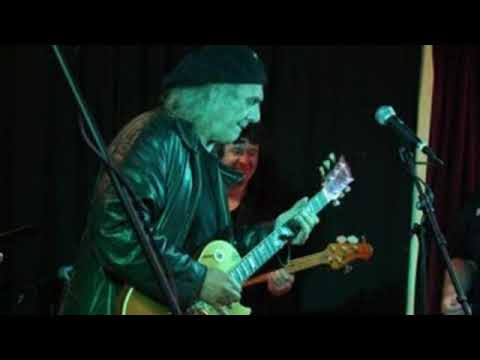
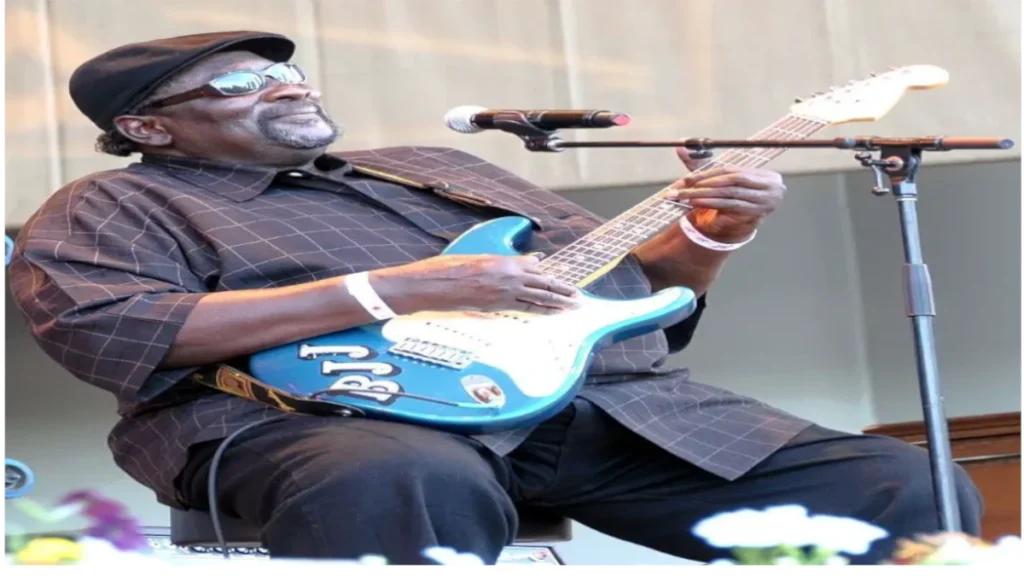
Dawkins himself preferred to be remembered for the mood he created like those brooding minor-key grooves, the way he could make a single sustained note ache, and the conversational interplay between his guitar and vocals. Whether on a slow burner like “Dawkins’ Mood” or a tougher shuffle, his guitar always sounded like it was telling a story you needed to hear.3 Must-Watch Jimmy Dawkins Videos Here are three essential performances that capture the man at his absolute best:
“Dawkins’ Mood” – Live on French TV, 1971
Filmed early in his recording career with his tight working band (Mac Thompson on bass, Ted Harvey on drums). This is the definitive Dawkins—eyes closed, completely lost in the music, delivering one of the most hypnotic slow blues performances ever captured on film.
Chicago Blues Festival, 1987
A full-band set at the world’s biggest free blues festival. Dawkins is in commanding form, trading licks with guitarist Keith Scott and backed by a smoking rhythm section. Pure hometown pride and West Side fire.
Live in Wales (full concert)
Later-career Dawkins, still swinging hard and singing with that unmistakable gritty conviction. The energy is infectious, and you can feel the European crowd hanging on every note.
Jimmy Dawkins passed away on April 10, 2013, at age 76, but his music never left the scene. Whenever you need a reminder that Chicago blues is about heart, not flash, put on Fast Fingers, crank up “All for Business,” or queue up any of the live clips above. Close your eyes, and you’ll swear you’re right there in a smoky West Side tavern, watching one of the true originals do what he did best—make the blues feel alive.