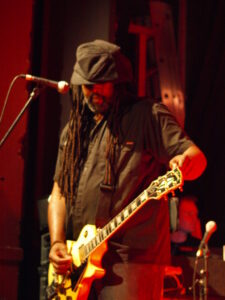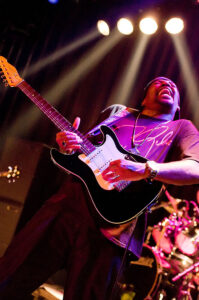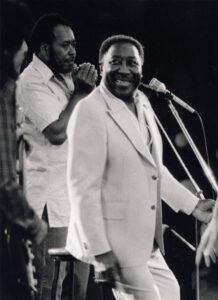
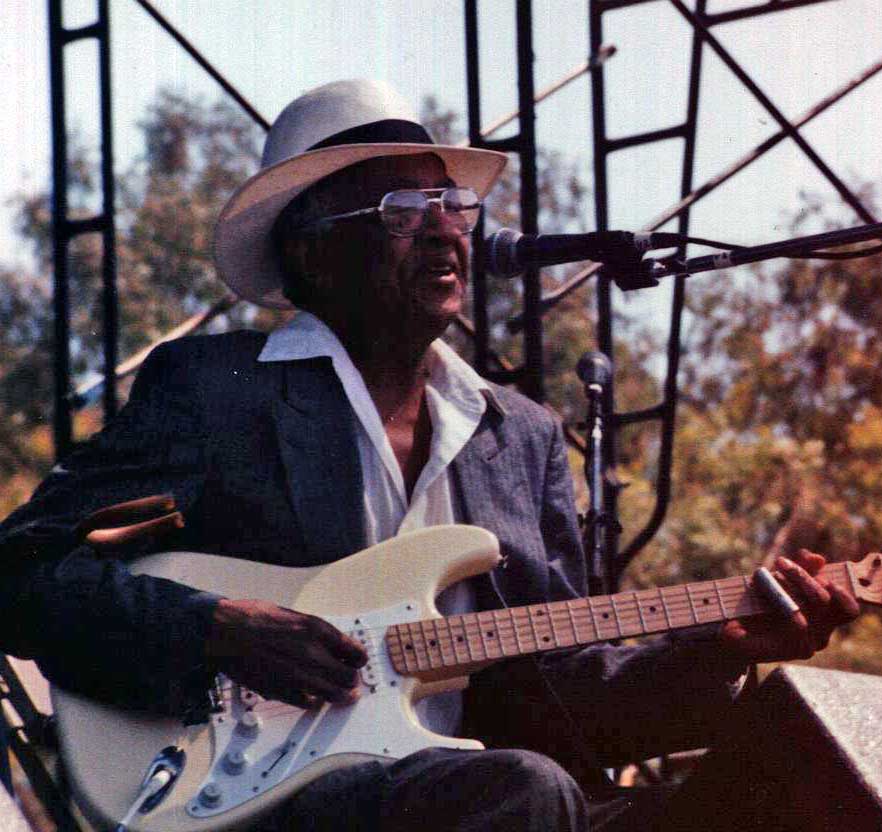
Homesick James, born James Williamson, was a towering figure in the development of the Chicago blues sound. As the cousin of the legendary Elmore James, he was a direct link to the Mississippi Delta roots that transformed into the electrified, hard-driving blues of the North. Homesick James was a master of the slide guitar, known for a style that was often erratic, raw, and fiercely individualistic. While he spent years as a premier sideman, his solo recordings reveal a musician who could bridge the gap between rural acoustic traditions and the high-energy, amplified grit of the Chicago clubs.
The Signature Homesick Style: Chaotic Slide and Delta Drive
The playing style of Homesick James was defined by a relentless, driving rhythm and a slide technique that favored emotion over clinical precision. He was famous for his “whaling” slide sound, often played on an electric guitar with the volume pushed to the edge of distortion. Unlike the polished arrangements of some of his contemporaries, Homesick’s timing was notoriously fluid; he would often add or drop beats based on the feeling of the moment, a trait common among solo Delta bluesmen that he carried into his ensemble playing. This unpredictability gave his music a sense of urgent, live energy that felt dangerous and authentic.
Three Essential Tracks to Hear His Genius
To understand the raw power of Homesick James, three tracks stand out as essential documents of his career. First is “Homesick Blues” (1952), the record that gave him his nickname. It is a quintessential example of early 1950s electric blues, featuring a stinging slide guitar part and a vocal performance that captures the loneliness and longing central to the blues tradition.
Next, listen to “Crossroads” (1963) from his influential album Blues on the South Side. This track showcases his ability to take a Robert Johnson standard and supercharge it with a heavy, electrified Chicago groove. His slide work here is aggressive and biting, demonstrating how he helped modernize the Delta sound for a new generation of listeners.
Finally, explore “Set a Date” (1964). This song is a masterclass in his rhythmic approach, featuring a hypnotic, repetitive guitar hook that anchors the entire performance. The interplay between his vocal phrasing and the sliding guitar response is a perfect example of the “call and response” technique that defines the heart of the blues.
The Ultimate Rolodex: The James Family and the Chicago Scene
The career of Homesick James was inextricably linked to his cousin Elmore James. Homesick played bass and guitar on many of Elmore’s most famous recordings, including the definitive version of “Dust My Broom.” Their partnership helped define the “broom-dusting” slide riff that became a cornerstone of rock and roll. Beyond his family ties, Homesick was a fixture in the Chicago scene, collaborating with legends like Sonny Boy Williamson II, Snooky Pryor, and Muddy Waters. In his later years, he became a celebrated figure on the international blues circuit, often performing with younger musicians who sought to capture a piece of his authentic, old-school fire.
Conclusion: The Unfiltered Voice of the South Side
Homesick James remained a vital performer well into his nineties, never losing the raw edge that made his music so compelling. He was one of the last original links to the era when the blues moved from the plantations to the city streets, and he never compromised his rugged, improvisational style for commercial polish. For fans of the slide guitar, Homesick James remains a primary influence, a reminder that the blues is at its best when it is unrefined, honest, and played from the soul.
Cover Photo Credit “Homesick James” by Masahiro Sumori is licensed under CC BY-SA 3.0