
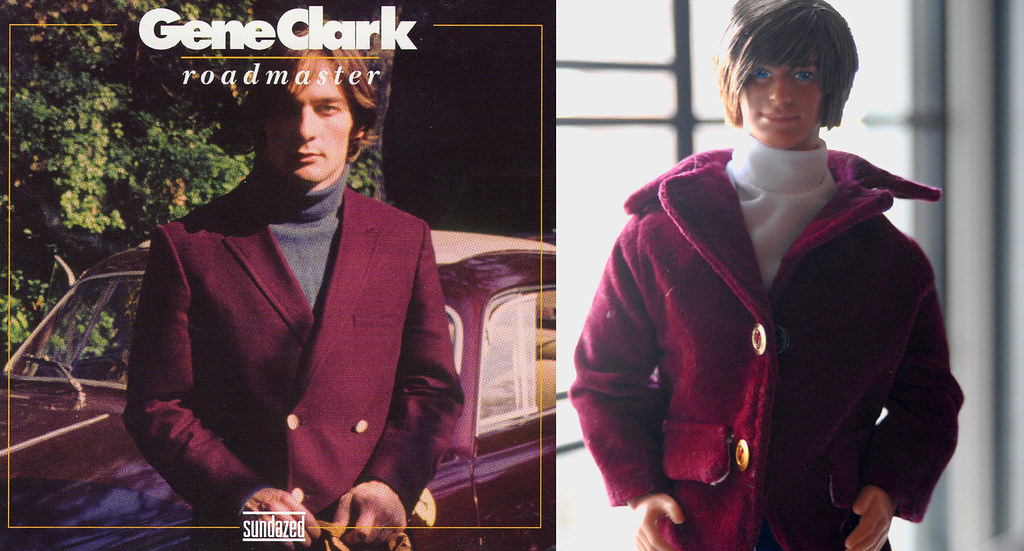
Gene Clark was one of the most gifted and emotionally resonant songwriters of the 1960s and 70s. As a founding member and the primary initial creative force behind The Byrds, he helped pioneer the sound of folk-rock by brilliantly fusing Bob Dylan’s literate lyricism with The Beatles’ melodic power. Clark possessed a unique ability to express profound melancholy and spiritual yearning through haunting melodies and complex, poetic lyrics. Though commercial success often eluded his solo career, his later work is revered by critics and musicians as some of the most beautiful and ambitious music in the country-rock and folk canon.
The Signature Clark Style: Melodies of Melancholy
Clark’s songwriting is defined by its deep, lyrical sadness and intricate structure, elevating simple pop forms into high art. While his voice was initially celebrated for its clear, powerful tone, his true genius lay in his melodic sensibility. He wrote songs that featured sophisticated chord changes and unexpected vocal harmonies, which became the signature sound of early Byrds hits. As he matured, his style evolved into baroque country-rock, characterized by sweeping, orchestral arrangements, extended song structures, and deeply introspective, often spiritual or despairing, themes. His work is a masterclass in translating inner turmoil into enduring folk poetry.
Three Essential Tracks to Hear His Genius
To chart the evolution of Clark’s songwriting genius, these three tracks are indispensable:
First, there is “I’ll Feel a Whole Lot Better” (1965) from The Byrds’ debut album. This track perfectly captures the birth of folk-rock. It’s a brisk, concise, and incredibly catchy pop song layered with the band’s distinctive Rickenbacker jangle and stunning harmonies. Though simple in structure, its blend of urgency and resignation established Clark as a formidable commercial songwriter.
Next, listen to “The Radio Song” (1967), a standout from his influential collaboration The Fantastic Expedition of Dillard & Clark. This piece is a foundation of the emerging country-rock sound. It features pedal steel, banjo, and a loose, countrified arrangement, perfectly blending the bluegrass roots of Doug Dillard with Clark’s innate melodic gifts and introspective lyrics.
Finally, explore “No Other” (1974), the title track from his critically revered solo masterpiece. This composition embodies the height of his baroque style. It’s an epic piece featuring gospel backing vocals, heavy strings, and complex, shifting harmonies. The song is a sprawling, meditative search for transcendence, confirming Clark’s stature as a visionary who was unafraid to sacrifice accessibility for profound emotional depth.
The Ultimate Rolodex: The Architects of Folk-Rock
Gene Clark’s most essential collaborations were those that forged and refined new genres. His tenure in The Byrds with Roger McGuinn, David Crosby, Chris Hillman, and Michael Clarke defined an era, yet his own fear of flying led to an early departure and a shift toward collaboration. His partnership with bluegrass legend Doug Dillard in Dillard & Clark created the blueprint for country-rock, bridging the gap between folk and Nashville instrumentation. Later, he collaborated extensively with former bandmate Chris Hillman and others in the folk and country circuit, though his most acclaimed work remains his highly singular solo albums, which feature a rotating cast of L.A.’s most respected session players.
Conclusion: A Legacy Forged in Song
Gene Clark’s life and career were marked by a tumultuous search for comfort, yet his anxiety and melancholy yielded some of the most hauntingly beautiful music of his time. Though he never quite achieved the mainstream recognition of his peers, his genius as a songwriter—complex, poetic, and utterly sincere—has only grown in stature. Clark remains a profound influence on songwriters who prioritize emotional authenticity and lyrical depth over commercial trends.
Cover Photo Credit “OOAK ‘Gene Clark’ Doll” by RomitaGirl67 is licensed under CC BY 2.0