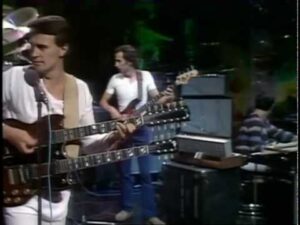
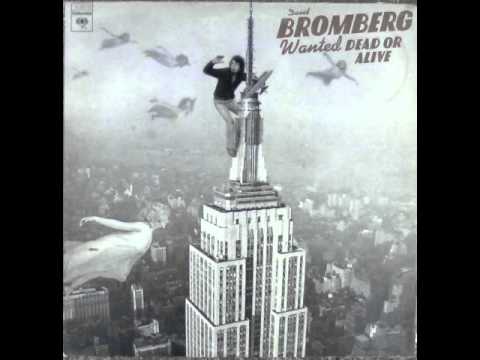
While 2026 sees the guitar world buzzing with the high-speed innovations of players like Matteo Mancuso, David Bromberg remains the ultimate master of American roots music. A musician’s musician, Bromberg is the bridge between the Greenwich Village folk scene of the 1960s and the modern Americana movement. Known as a “collector of styles,” he is one of the few artists who can pivot from a blistering bluegrass breakdown to a soulful ragtime blues or a swinging jazz standard without breaking a sweat.
The Sideman to the Stars
Bromberg’s reputation was forged in the recording studios of the 1970s. His resume is staggering: he has played alongside Bob Dylan, George Harrison, Jerry Garcia, and Ringo Starr. His ability to provide the perfect “flavor” for a track—whether on guitar, fiddle, or dobro—made him a first-call session ace.
What sets Bromberg apart is his “orchestral” approach to the acoustic guitar. He doesn’t just play chords; he uses the instrument to create counter-melodies and rhythmic textures that breathe life into a song. This focus on “serving the song” is a core philosophy we’ve explored in our profiles of other masters like Chris Buck.
The Gear: The “M” Model Legacy
Bromberg’s gear is as legendary as his playing. He is famously associated with a specific guitar shape that eventually became a staple of the Martin Guitar Company’s catalogue.
The Martin M-42 (0000): Bromberg’s signature sound is tied to a guitar originally custom-built for him by Matt Umanov, which converted a 1930s archtop into a flat-top. This “M” body (also known as a 0000) is wider than a standard 000 but thinner than a Dreadnought, offering a balanced, punchy tone that is perfect for his fingerstyle and flatpicking mix.
The Fender Esquire: On the electric side, he has long favoured a vintage late-50s Esquire, heavily modified with a humbucker in the neck position to achieve a “velvet hammer” tone that bites through a live band mix.
In 2026, Bromberg continues to be an authority on vintage instruments, operating his renowned violin shop in Delaware, where he repairs and brokers world-class stringed instruments.
3 Essential David Bromberg Songs
To understand Bromberg’s genius, you have to hear how he blends storytelling with technical virtuosity. Here are three tracks that define his legacy:
1. “The New Lee Highway Blues” This is the definitive Bromberg epic. It starts as a weary, spoken-word travelogue and explodes into a high-speed bluegrass masterclass. It showcases his incredible flatpicking speed and his ability to build a musical narrative that feels like a cinematic journey.
2. “Mr. Bojangles” (Live) While Jerry Jeff Walker wrote the song (and Bromberg played on the original recording), Bromberg’s live versions are legendary. He treats the guitar almost like a second voice, using delicate fingerstyle fills and rubato timing to heighten the emotional weight of the story.
3. “Sharon” A fan favorite that showcases Bromberg’s soulful, “greasy” side. This track features a slinky, bluesy groove and highlights his electric lead playing. It’s a perfect example of his ability to blend humor with high-level musicianship, creating a sound that is uniquely his own.
David Bromberg in 2026
Though he announced a “big final tour” in late 2023 to spend more time at his violin shop and with his family, Bromberg’s influence in 2026 is stronger than ever. His “Big Road” approach to music—where no genre is off-limits—is the blueprint for the current generation of multi-instrumentalists.
For the GuitarDoor community, Bromberg is a reminder that the guitar is a tool for storytelling. Whether he is playing a quiet acoustic ballad or a raucous blues-rocker, his focus is always on the “feel” and the history of the music. As we see with modern players like Sophie Lloyd, the ability to connect with an audience through the instrument is what makes a guitarist truly legendary.
External Resources
Official Website: David Bromberg Fine Violins
Martin Guitar: The David Bromberg Custom Signature Edition