
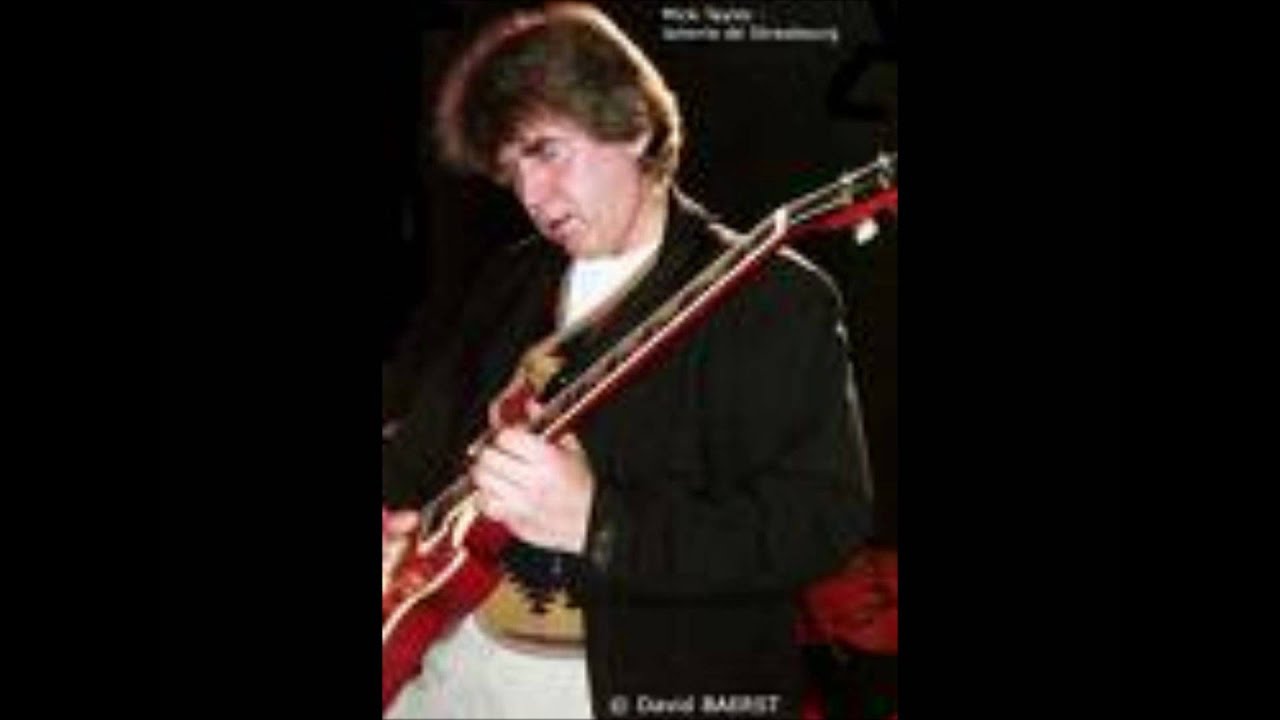
In the lineage of The Rolling Stones, Mick Taylor stands as a magnificent anomaly. The five years he spent with the band produced some of their most beautiful, blues-drenched records. While he contributed heavily to tracks like “Winter,” his guitar work often felt like a spiritual conversation—lyrical, sustained, and deeply melodic.
After leaving the Stones, Taylor continued to work with blues and rock artists who truly appreciated his unique phrasing. His collaboration with singer Carla Olson is a stunning example of this post-Stones work, breathing new life into a deep cut that Taylor helped define.
Their performance of “Winter,” originally a Stones track from the 1973 album Goats Head Soup, is an extraordinary showcase of blues emotion, where the guitar doesn’t just solo—it tells a complete, melancholic story.
II. Mick Taylor’s Signature: Lyrical Blues Phrasing
Mick Taylor’s technique provides a stark contrast to his Stones bandmate, Keith Richards. Richards is the master of rhythmic churn, riffs, and blues economy. Taylor is the master of sustained, liquid melody.
What makes his playing instantly recognizable and perfect for a slow blues like “Winter” is his control:
- Vibrato and Sustain: Taylor’s trademark sound involves long, singing notes held and manipulated by an expressive finger vibrato. He uses the entire length of the neck to craft solos that feel less like a flurry of licks and more like a human voice.
- Space and Soul: Unlike players who fill every beat, Taylor masterfully uses silence. He leaves space for the mournful tone of the song to breathe, ensuring that every note carries weight and emotional impact.
- The Les Paul Tone: While he used various guitars, the rich, buttery tone he often achieves with his Gibson Les Paul is perfectly suited to the weeping sound of “Winter.”
III. The Reinterpretation: Olson and Taylor
The original Rolling Stones version of “Winter” is a slow, mournful track about the harshness of the season and the hope for better times. Carla Olson and Mick Taylor’s reinterpretation strips the song down to its emotional core:
- Carla Olson’s Role: Olson’s vocal performance is powerful and gritty, perfectly capturing the bluesy resignation in the lyrics: “Show been a cold cold winter / And a lot of love has all burned down” ([00:39]). Her strength provides the anchor for Taylor’s more ethereal playing.
- The Perfect Template: A song focused on emotion, not complexity, provides Taylor with a massive canvas. His work is not just an accompaniment; it is the musical narrator of the song’s emotional landscape.
IV. The Epic Solo: A Study in Controlled Emotion
The collaboration peaks in Taylor’s extended solo, which in this version runs well over six minutes. This is a clinic in blues dynamics and construction:
- Building Tension: Taylor begins the solo subtly, using quiet, high-pitched bends and brief phrases to continue the song’s dialogue.
- The Emotional Release: As the solo progresses, he gradually raises the intensity, stacking melodic idea upon melodic idea, pushing his bends higher and allowing the notes to cry out, embodying the “weeping” guitar persona so famous in rock history.
- Rhythmic Mastery: Despite the length, the solo never feels self-indulgent. Taylor remains locked into the band’s gentle, steady rhythm, ensuring his virtuosity serves the emotional narrative of the song rather than distracting from it.
V. Conclusion: Timeless Blues
The collaborative work between Mick Taylor and Carla Olson is a powerful reminder that the blues is not about age or genre, but about feeling. Taylor, already a legend, found a perfect musical partner in Olson to revisit a classic from his past, proving that his elegant, expressive guitar style remains one of the most vital voices in rock and roll history.
This performance is a mandatory viewing for any guitarist who prioritizes phrasing and emotion over speed.