
Mississippi is often called the “Cradle of American Music,” and for good reason. From the fertile soil of the Delta to the rugged terrain of the North Mississippi Hill Country, the state has produced a lineage of guitarists who didn’t just play music—they invented a new language of guitar playing. These musicians took six strings and a piece of wood and transformed them into a vessel for the human experience, channelling struggle, joy, and resilience into sounds that would eventually give birth to Rock & Roll, Soul, and Jazz. To understand the history of the modern guitar is to understand the history of the Mississippi musician.
I. The Architects of the Delta Blues
Charley Patton
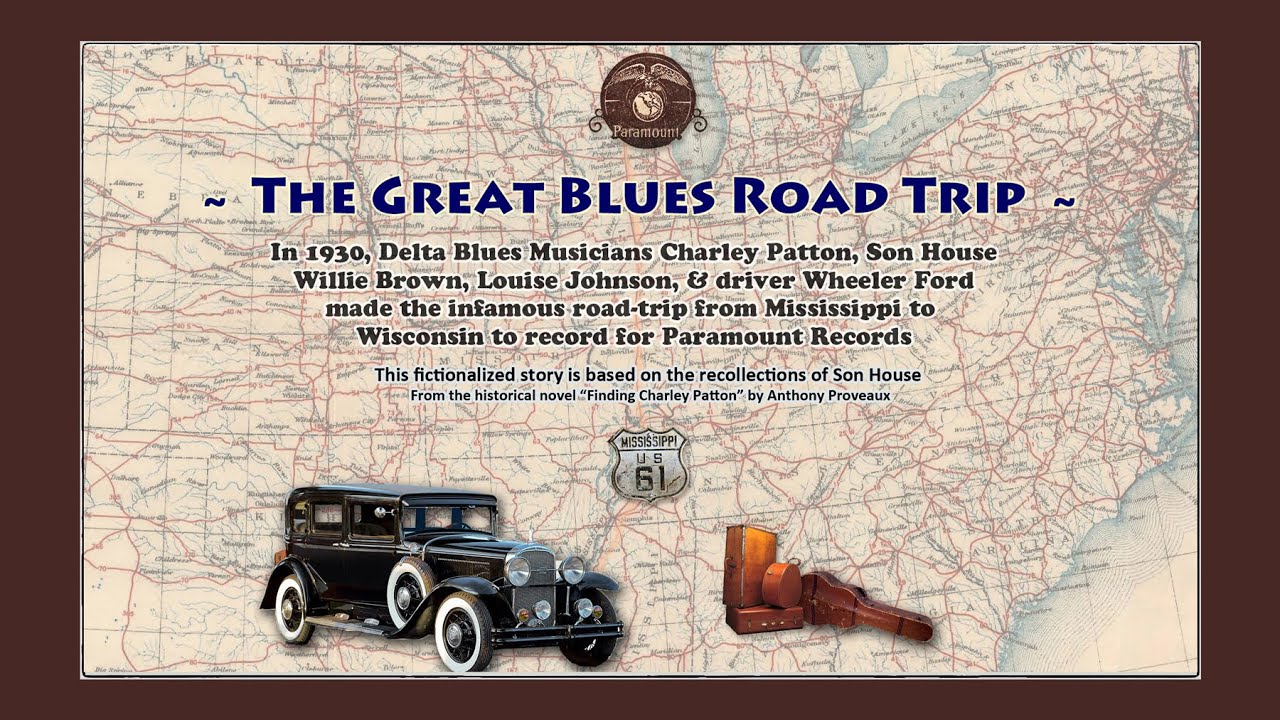
Often called a “Father of the Delta Blues,” Patton was a pioneer of the genre and a massive influence on virtually every musician who followed him. Born in Hinds County (near Edwards) and later associated with the Dockery Plantation, he was a true showman. As seen in the rare archival recordings, his rhythmic, “thumping” guitar style essentially used the instrument’s body as a drum, creating a high-energy sound that filled juke joints across the Delta long before the advent of modern amplifiers.
Robert Johnson
The most mythical figure in music history, Robert Johnson’s legacy is defined by the legend of his “deal with the devil” at a Mississippi crossroads. Born in Hazlehurst, Johnson was a technical genius whose sophisticated fingerstyle technique was so complex that contemporaries thought he was playing two guitars at once. His work became the primary blueprint for the British Blues explosion and legends who mastered blues soloing techniques like Eric Clapton and Keith Richards.
Son House
A former preacher whose music reflected a constant tension between the sacred and the profane, Son House was born in Lyon. He was a master of the bottleneck slide, using a copper pipe to create an aggressive, emotional, and intensely rhythmic sound. His raw, stomping style, captured in the film footage above, was a direct influence on Muddy Waters and Robert Johnson.
II. The Electric Revolutionaries
B.B. King
Born on a plantation in Itta Bena and later finding his musical footing in Indianola, B.B. King became the global ambassador of the blues. He moved away from heavy rhythmic chords toward a sophisticated, fluid soloing style. His hallmark was a shimmering vibrato and precise “stinging” notes played on “Lucille,” proving that the blues could be as refined as jazz improvisation while remaining deeply soulful.
Muddy Waters
The man who electrified the Delta, Muddy Waters was born in Rolling Fork. After moving to Chicago, he traded his acoustic for an electric guitar to be heard over the noise of the city’s clubs. By adding a drum kit, bass, and piano to his slide-driven sound, he effectively invented the modern rock and roll band format.
Albert King
Known as “The Velvet Bulldozer,” Albert King was born in Indianola. Standing 6’4″, the left-handed King played a right-handed Gibson Flying V upside down. This unique setup allowed him to pull the strings downward with incredible force, creating massive, “screaming” bends—a technique that remains a favorite for those exploring beginner blues guitar.
Elmore James
The undisputed “King of the Slide Guitar,” Elmore James was born in Richland. He took the acoustic slide traditions and cranked them through overdriven amplifiers. His signature wailing sound on “Dust My Broom,” showcased in the video, is one of the most recognizable riffs in all of music, setting the bar for every slide player that followed.
III. The Rule Breakers
Bo Diddley
Born in McComb, Bo Diddley was a musical architect who bridged the gap between R&B and Rock & Roll. He is famous for the “Bo Diddley Beat,” a rhythm as essential to rock as the evolution of the electric guitar itself. A technical innovator, he built his own rectangular guitars to create a percussive sound that was entirely his own.
John Lee Hooker
Born in Tutwiler, John Lee Hooker’s music was about the “groove” rather than complex chord changes. He developed a hypnotic, one-chord “boogie” style that relied on a steady, driving foot-stomp. His minimalist approach and ability to build tension through repetition made him a favorite of both blues purists and those who love classic rock riffs.
Ike Turner
A native of Clarksdale, Ike Turner was a ferocious guitarist who pioneered an aggressive style. He is often credited with recording the first rock and roll song, “Rocket 88.” He famously used the whammy bar to create sharp, staccato “sharks” of sound—a precursor to the tremolo techniques used by later rock gods.
IV. Hill Country & The New Generation
R.L. Burnside
Hailing from Harmontown, R.L. Burnside played a style distinct from the Delta. His music was characterized by a raw, droning rhythm and a hypnotic, circular feel, often paired with his signature blues guitar tone. He lived most of his life as a sharecropper in Holly Springs before finding international fame in the 1990s.
Junior Kimbrough
The king of “Cotton Patch Blues,” Junior Kimbrough was born in Hudsonville and operated a legendary juke joint in Chulahoma. His style was atmospheric and drony—a “trance blues” that influenced modern bands like The Black Keys, much like how Stevie Ray Vaughan brought blues back to the mainstream.
Christone “Kingfish” Ingram
The modern torchbearer for the Mississippi sound, born and raised in Clarksdale. “Kingfish” is a Grammy-winning prodigy who blends the deep traditions of the Delta with modern rock speed. He proves that the blues is not a museum piece but a living art form, much like the modern titans of blues rock.
Conclusion
The legacy of Mississippi’s guitar players is one of constant evolution rooted in deep tradition. From the acoustic pioneers who first picked out melodies on plantation porches to the modern innovators taking the stage today, these artists share a common thread: the ability to turn personal and collective history into a universal sound. Their influence is found in every distorted riff on the radio and every soulful solo in a dimly lit club. Mississippi may be where the music started, but through these players, its echoes will never stop resonating around the world.