Johnny B. Moore is a towering figure in contemporary Chicago blues, representing a direct bridge between the Mississippi Delta and the electric sounds of the Windy City. Born in Clarksdale, Mississippi, in 1950, Moore moved to Chicago as a teenager, eventually becoming one of the most respected guitarists on the circuit. His career is a testament to the endurance of the “West Side” sound—a style that balances raw emotional intensity with sophisticated, rhythmic improvisation. Whether playing a traditional acoustic set or a high-voltage electric show, Moore has remained a guardian of the deep blues tradition while constantly refining his own modern voice.
The Signature Style: West Side Soul and Bottleneck Fire
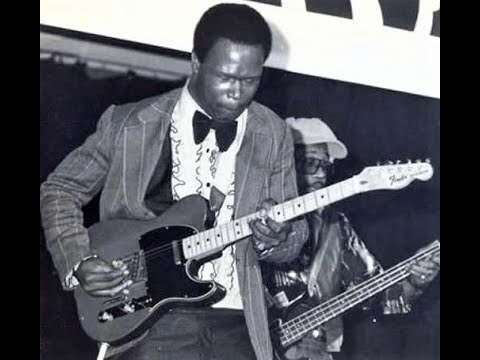
The signature style of Johnny B. Moore is defined by a “contemporized” West Side sound that blends sparkling rhythmic lead lines with growling, soulful vocals. He is a master of the bottleneck slide, a technique he uses to inject a vocal-like cry into his solos, harkening back to his early Delta influences like Muddy Waters. Moore often utilizes a semi-hollow body electric guitar to achieve a warm, resonant tone that can cut through a dense rhythm section with surgical precision.
His playing is characterized by its clarity and “springy” attack, where he effortlessly shifts from driving, percussive riffs to delicate, jazz-inflected runs.
Essential Listening: From “Hard Times” to “Rockin’ the Boat”
To understand the breadth of Moore’s talent, several recordings serve as essential pillars of his discography. His 1987 debut album, “Hard Times,” is a definitive statement that highlights his ability to blend gritty Chicago blues with smooth R&B sensibilities. The track “Confusion” is a standout example of his slow-burn slide work.
In the 1990s, his album “Lonesome Blues” showcased a rawer, more traditional side of his artistry, while the 2003 release “Rockin’ in the Same Old Boat” captured him at the height of his powers as a bandleader.
On the latter, his take on “Lookin’ Good” (a Magic Sam classic) demonstrates his impeccable timing and his status as a premier “dancer’s guitarist.”
The Ultimate Rolodex: Sideman to the Blues Royalty
Moore’s reputation as a world-class musician was solidified by his long tenure as a first-call sideman for the genre’s most iconic figures. In 1975, he joined Koko Taylor’s Blues Machine, serving as her lead guitarist during one of her most successful eras and appearing on the landmark album The Earthshaker.
He also enjoyed a deep musical partnership with the “Father of Modern Chicago Blues,” Willie Dixon, touring the world as part of Dixon’s All-Stars. His ability to adapt to these legendary vocalists while maintaining his own musical identity is a hallmark of his skill. Beyond the legends, his collaborations with artists like Willie Kent and Tail Dragger have ensured his place at the heart of the Chicago blues family for decades.
Conclusion: A Living Link to the Blues Tradition
Despite facing significant health challenges in the early 2000s, Johnny B. Moore remains a symbol of resilience and artistic integrity in the blues world. He is a musician who honors his roots—having learned to read music in high school and studied under Jimmy Reed—while always looking for ways to keep the genre vibrant and relevant.
Moore is more than just a talented guitarist; he is a living link to the golden era of the blues, a man who carries the torch of the Delta and the West Side into the future. His music serves as a reminder that the blues is not just a historical artefact, but a living, breathing expression of the human experience.